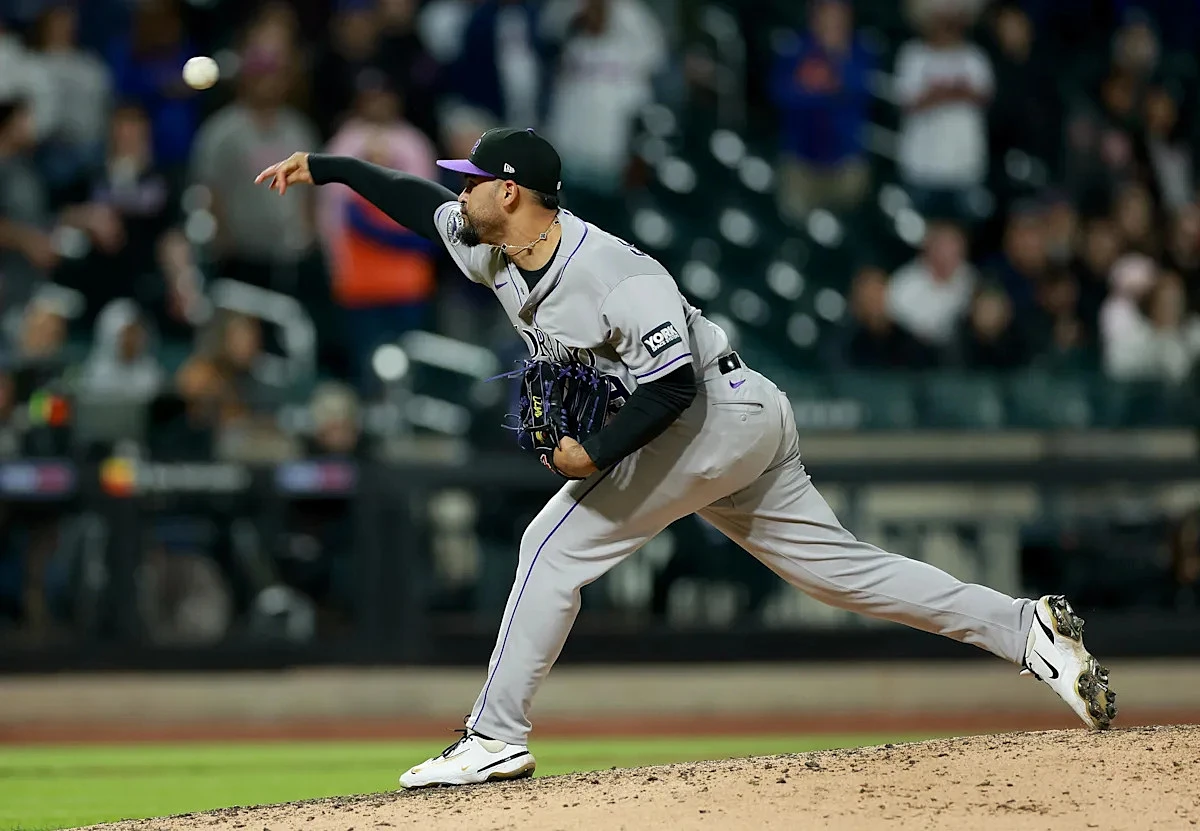
In an era where starting pitchers are throwing fewer innings than ever, the Colorado Rockies are quietly pioneering a unique strategy to survive the unique challenges of Coors Field—and it all comes down to their long relievers.
Baseball has seen a dramatic shift over the past few decades. Gone are the days of complete-game workhorses. In their place, teams now rely on a steady carousel of relievers who throw fewer pitches but with maximum effort. It's a strategy that's been widely adopted across the league, and even the historically slow-to-adapt Rockies have embraced it—especially after their recent front office overhaul led by Paul DePodesta.
While the new regime's focus on larger pitch arsenals and better strike zone command was well-documented, the most surprising change didn't become apparent until the season began. Through Thursday's games, the Rockies have logged 20 relief appearances lasting more than two innings. To put that in perspective, only the Washington Nationals come close with 18 such appearances. The Rockies are on pace to have a reliever pitch more than two innings in 120 games this season, which would shatter the previous record of 116 set by the 1977 Seattle Mariners.
Unsurprisingly, both the Nationals (173.1 innings) and Rockies (170.0 innings) lead the league in total relief innings pitched. But here's where the strategies diverge: while Washington is middle-of-the-pack in total relief appearances, Colorado is tied for the fewest in the league. The Rockies are leaning heavily on their bullpen as a collective unit, but they're doing so by asking their relievers to go deeper into games—a throwback approach that might just be the key to surviving the thin air at Coors Field.
For Rockies fans, this means fewer pitching changes and more consistency on the mound. And for the pitchers themselves, it's a chance to prove that long relief isn't just a relic of the past—it's a winning strategy for the present.