There won't be a Triple Crown-winning horse this year, but there could be a Triple Crown-winning human—and that means big stakes, both historic and financial.
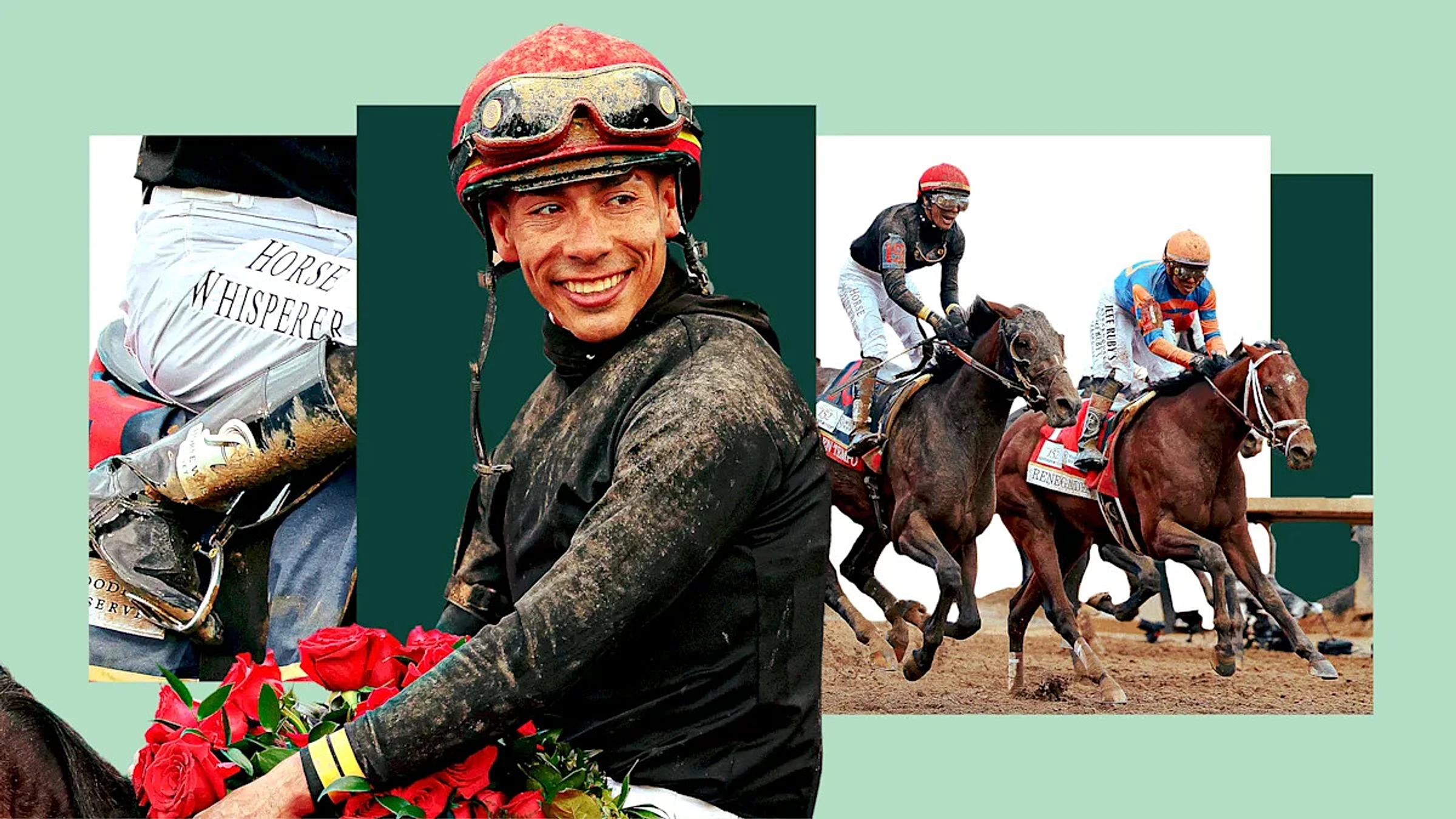
After Kentucky Derby winner Golden Tempo opted to skip the Preakness Stakes on Saturday, all eyes shift to jockey José Ortiz. The rider who piloted Golden Tempo to a thrilling come-from-behind victory at Churchill Downs will now climb aboard Chip Honcho, a 5-to-1 favorite in the Preakness field. If Ortiz also rides in the Belmont Stakes as expected, he could become the first jockey ever to win all three legs of the Triple Crown while switching horses between races. That kind of feat doesn't just rewrite history—it also pays off.
And there's another storyline brewing. A win from 5-to-1 contender Taj Mahal would make trainer Brittany Russell the first female trainer ever to win the Preakness. That would keep a different Triple Crown variant alive: the female trainer Triple Crown. It follows Cherie DeVaux's historic Derby win as the first female trainer to take that race. Two down, one to go.
These aren't just fun facts for trivia night. They translate directly into sponsorship dollars for the jockeys involved. For each leg of the Triple Crown, riders earn anywhere from low to mid five-figures simply to wear brand logos on their pants. The Derby, which draws the biggest audience of the three, routinely commands deals above $25,000. Many agreements also include win bonuses that can push that number even higher.
"It's an NIL deal with the jockey, essentially," said Eric Smallwood, president of Apex Marketing Group. "There's social media posting, pre-race interviews where jockeys wear a brand's ballcap—there are a lot of pieces that go into it."
These direct-to-jockey deals often represent the lion's share of what a rider earns from a race. For context, jockeys typically pocket just 10% of the prize money—at the Derby, that's $310K for the winner, $100K for second, $50K for third, and so on. Sponsorship income can make all the difference, especially for riders chasing history.