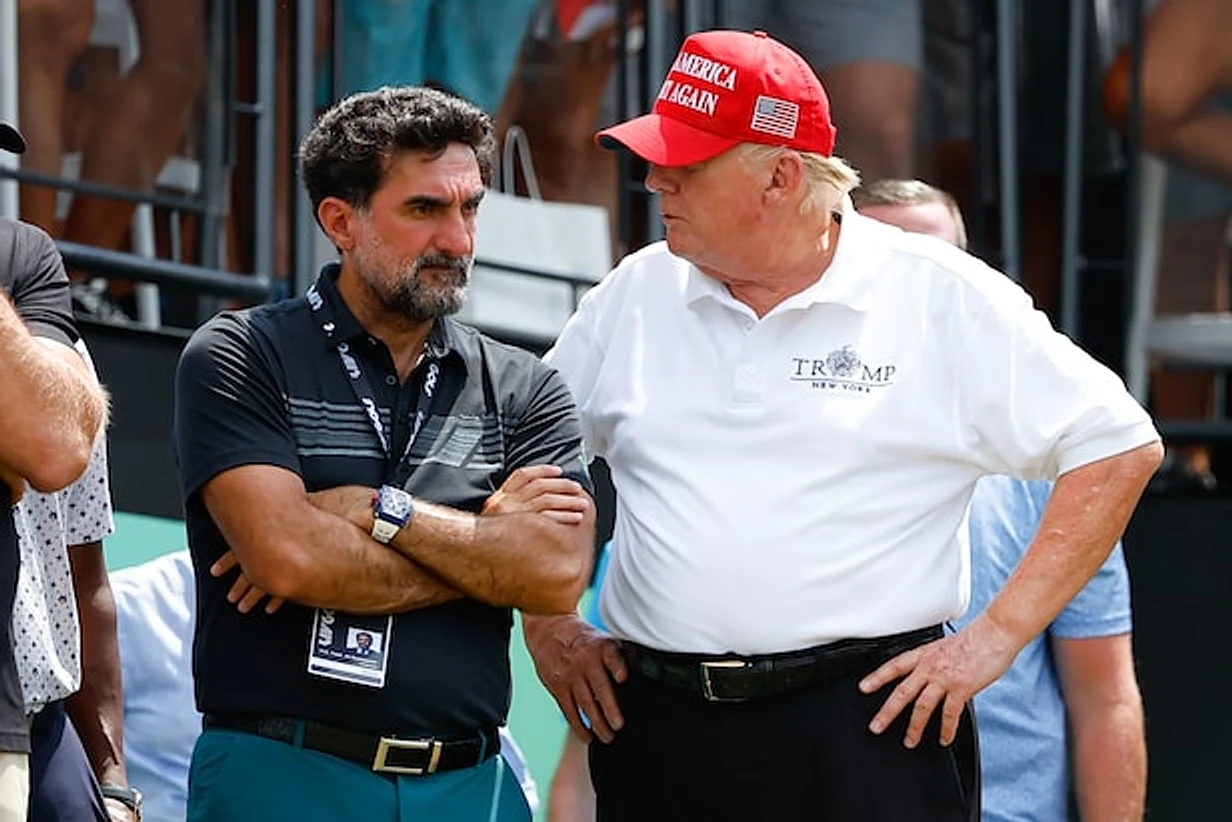
When news broke that Saudi Arabia's Public Investment Fund (PIF) would reportedly end its funding of LIV Golf, it sent shockwaves through the sports world. To understand this seismic shift, you need a unique perspective—one that bridges the fairways of global golf with the complex geopolitics of the Middle East. Enter Thomas L. Friedman.
Friedman, a three-time Pulitzer Prize-winning columnist for The New York Times, is also a lifelong golfer and a multiple-time club champion. Long before his journalism accolades, he was caddying for legends like Chi-Chi Rodriguez. This rare dual expertise makes him the perfect analyst to decode what LIV Golf was really about and why its funding may be drying up.
So, what was the original Saudi goal? According to Friedman, it was part of Crown Prince Mohammed bin Salman's broader "Vision 2030" strategy to diversify the economy and boost tourism. A senior Saudi leader believed LIV would directly increase golf play within the kingdom. Friedman, however, offered a different playbook from the start.
He advised that the true path to becoming a golf destination wasn't through a rival tour featuring stars in the later stages of their careers. Instead, he suggested leveraging Saudi Arabia's vast coastline by inviting the world's top architects to build spectacular links courses. That, he argued, is what genuinely attracts golf tourists and builds a lasting legacy—not a splashy, divisive tour.
Friedman's analysis cuts to the heart of a major question in sports business: is it about immediate disruption or sustainable development? For golf enthusiasts and apparel fans who live for the game's culture and travel, the distinction matters. It highlights how the sport's future is often shaped not just on the course, but in boardrooms and against the backdrop of global ambition.