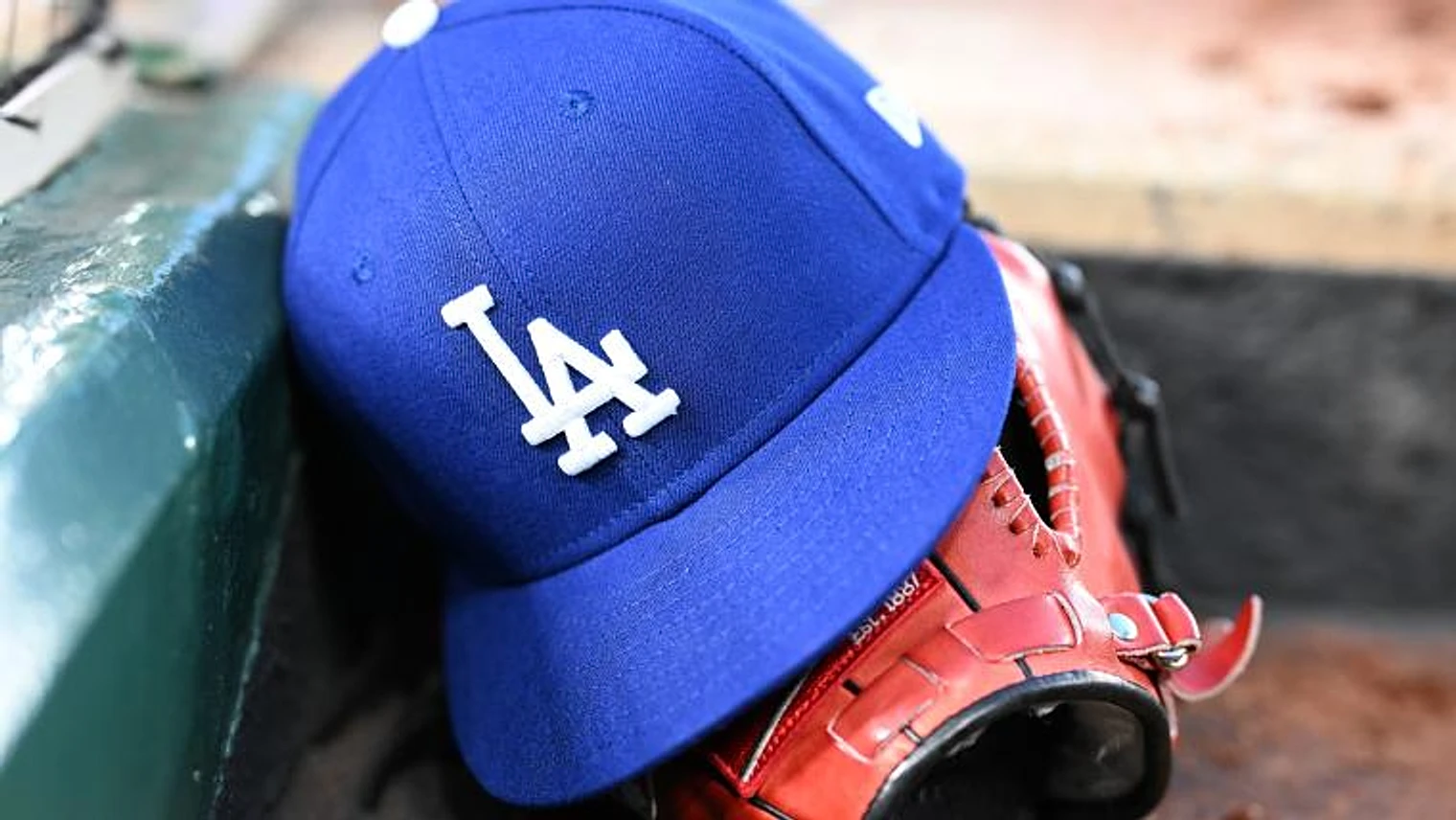
Tonight at Dodger Stadium, a marquee series begins that feels like a glimpse into baseball's future. The Los Angeles Dodgers host the New York Mets, and while it's a clash of two early-season contenders, the real story is unfolding on the balance sheets. This isn't just another series; it's a showcase of the sport's escalating financial arms race.
The star power is undeniable. You'll see Shohei Ohtani, Juan Soto, and other generational talents sharing the field. But a staggering statistic from ESPN frames the entire matchup: the combined 2026 average annual value of just *four* players—Ohtani and Kyle Tucker for the Dodgers, plus Soto and Bo Bichette for the Mets—exceeds the total 2026 payrolls of 14 other MLB teams. Let that sink in. Four salaries outweigh nearly half the league's entire team budgets.
This fact cuts to the heart of a growing debate in baseball. The current luxury tax system, intended as a soft salary cap, seems increasingly ineffective against the spending might of teams like the Dodgers and Mets. For these franchises, a massive tax bill is simply the cost of doing business when the ultimate payoff is a World Series championship. The game is evolving from one built on patient player development into an arena where free agency spending can instantly construct a superteam, with contracts now flirting with the once-unthinkable $1 billion mark.
So as these two juggernauts prepare to duel under the lights, remember you're watching more than a game. You're witnessing a pivotal moment where the economics of the sport are being rewritten in real-time, changing what it means to build a contender and challenging the very landscape of baseball's competitive balance.