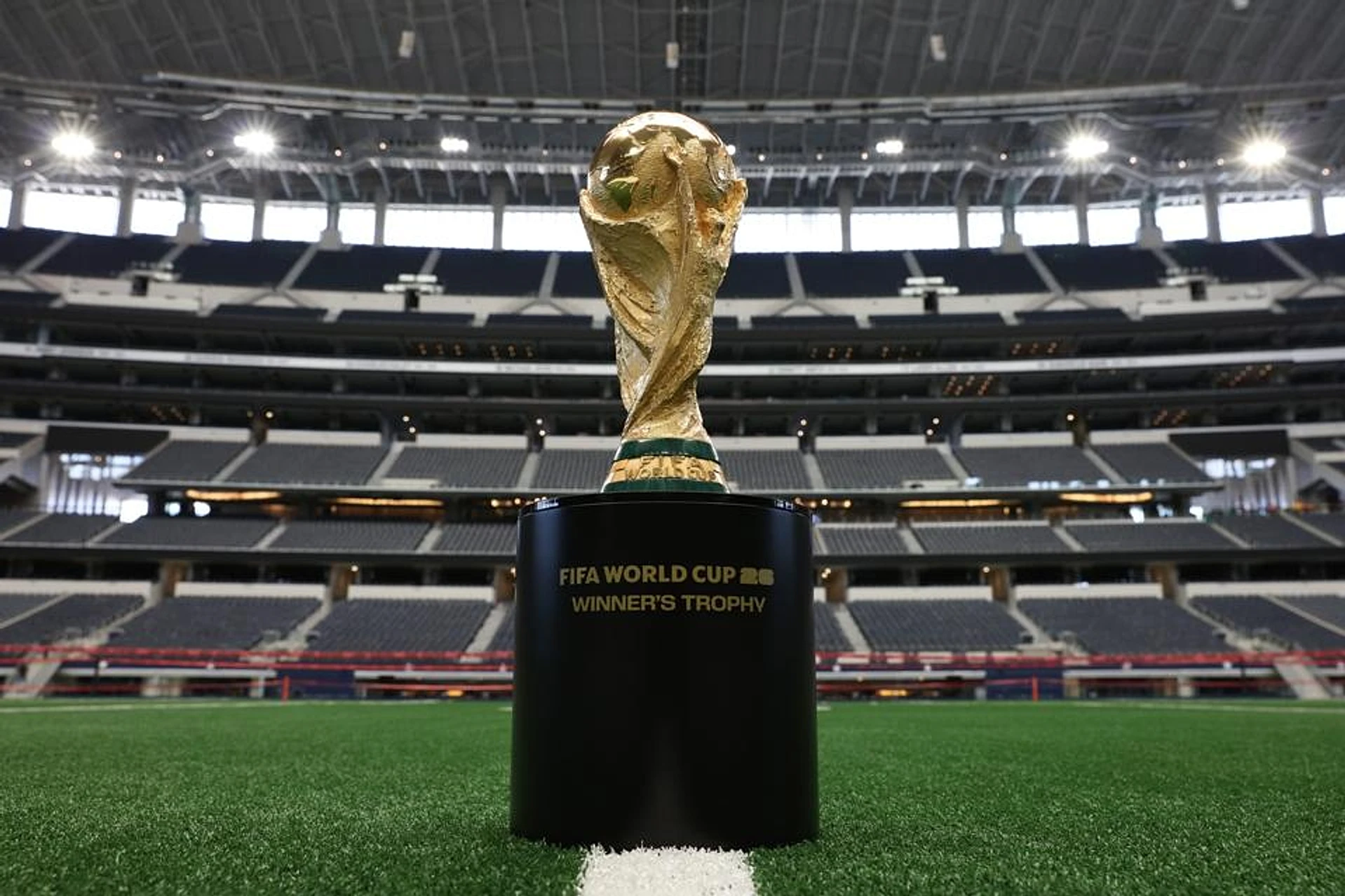
When the 2026 FIFA World Cup kicks off this summer across 11 U.S. cities—plus venues in Canada and Mexico—the excitement will be palpable. But behind the roaring crowds and global spectacle lies a sobering reality: host cities often pay a steep price for the privilege, while the event's biggest financial winners are the governing bodies themselves.
Take a cue from Houston's 2017 Super Bowl experience. A post-event analysis found it was "impossible" to determine whether taxpayers even broke even on the $22 million public investment. The best estimate suggested a $14 million shortfall. That's not a rounding error—it's a cautionary tale for every city dreaming of hosting a mega-event.
On the surface, the pitch is irresistible: global visibility, hundreds of thousands of visitors, and billions in projected economic impact. But scratch beneath the surface, and the financial logic begins to unravel. The core problem is structural. Host cities shoulder the lion's share of costs—security, infrastructure upgrades, logistics—while organizations like FIFA capture the most lucrative revenue streams: ticket sales, sponsorships, broadcasting rights, and merchandise. Local organizers are often barred from tapping into those revenues, even indirectly. For the World Cup, cities also faced restrictions on selling premium seating tied to sponsorship deals, a traditional funding lifeline.
This creates a deeply asymmetric arrangement. Cities take on financial risk while FIFA retains the upside. That imbalance isn't accidental—it's baked into contracts that many cities signed years before bids were finalized. Chicago's decision to walk away from hosting duties now looks less like a missed opportunity and more like a case of good governance. Other cities, locked into agreements, may find themselves learning the same hard lesson: when it comes to mega-events, the price of glory can be steep—and the returns, uncertain.