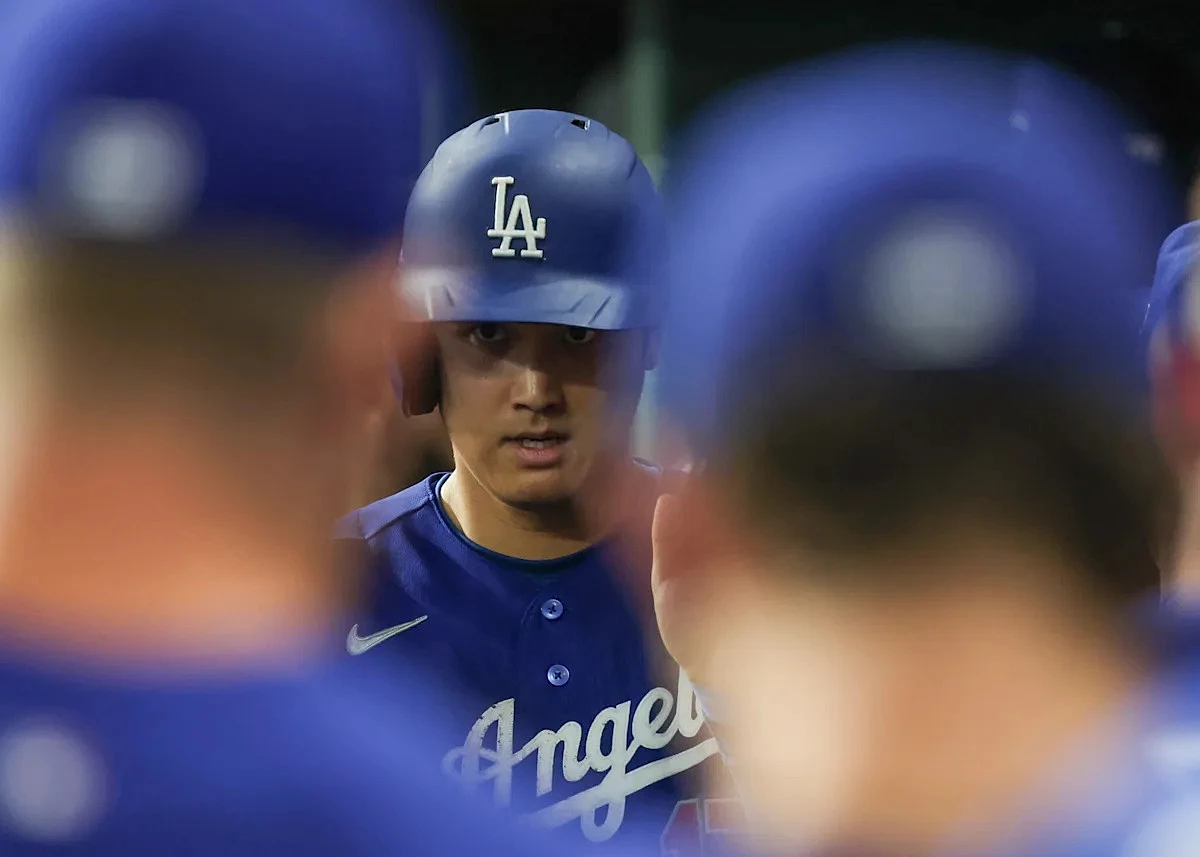
In a development that has sent shockwaves through the baseball world, Shohei Ohtani—the two-way phenomenon who has redefined what's possible on a diamond—has finally shown us he has limits. For the third time in his last four pitching starts, the Los Angeles Dodgers superstar will not be in the lineup as a hitter when he takes the mound against the Houston Astros on Tuesday evening.
Let's be clear: Ohtani's pitching has been nothing short of spectacular. His 0.60 ERA leads all of Major League Baseball, and in 30 innings of work, he has yet to allow a single home run. Opposing batters are hitting just .160 against him, with a microscopic .226 slugging percentage and a .464 OPS—marks that rank second, first, and first in the league, respectively. If he stays healthy and maintains this pace through 160 innings, a first-career Cy Young Award is very much within reach.
But the story at the plate tells a different tale. The four-time MVP is experiencing one of the slowest offensive starts of his Hall of Fame-bound career. His .814 OPS ranks 54th among qualified hitters, while his .240 batting average sits 103rd. A staggering 37 players have more home runs than Ohtani's six, and he has managed just one long ball since April 12th. He is currently hitless in his last 17 at-bats, with a career-low line-drive rate to boot.
The decision to sit him as a hitter wasn't part of the original game plan. Dodgers manager Dave Roberts had told reporters before Monday's game that Ohtani would be in the lineup as a hitter the following day. But after watching his star player struggle through another hitless night, Roberts changed course.
"Just kind of seeing how things are going, and then I just felt that, in my mind, just kind of seeing how it's playing out, I think it's best for everyone," Roberts explained. "Definitely not (based on) results."
For fans who have grown accustomed to Ohtani doing the impossible, this moment serves as a reminder that even the greatest athletes have their off days. It's also a testament to the incredible physical and mental demands of being a two-way player—a role that requires peak performance in every aspect of the game. As Ohtani works through this rough patch, the baseball world watches with bated breath, knowing that if anyone can bounce back, it's him.