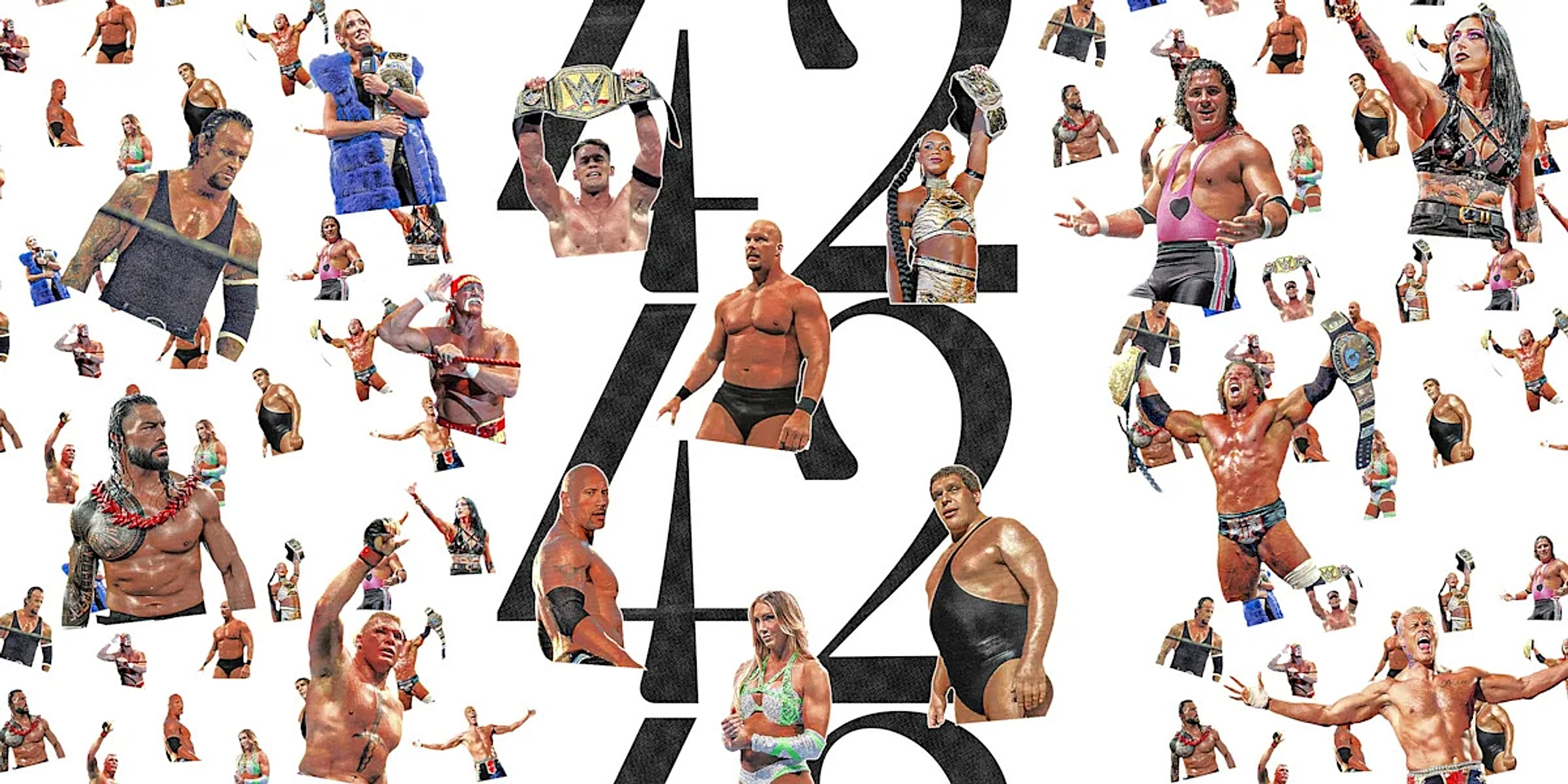
WrestleMania isn't just a wrestling event; it's a cultural touchstone where legends are forged and memories are etched into history. As we gear up for the 42nd edition of "The Showcase of the Immortals," let's revisit the moments that transformed sports entertainment from a spectacle into an institution.
The journey began on March 31, 1985, at Madison Square Garden. That first WrestleMania was less about pure in-ring competition and more about a star-studded spectacle, featuring icons like Cyndi Lauper, Mr. T, and Muhammad Ali. It set a precedent: this was to be the grandest stage of them all, where celebrity glamour met athletic drama, laying the foundation for everything that followed.
Just two years later, WrestleMania III delivered two matches that would define the event's dual legacy. First, "Macho Man" Randy Savage and Ricky "The Dragon" Steamboat redefined in-ring excellence in a legendary Intercontinental Title bout. To this day, many fans and analysts consider their technical masterpiece one of the greatest matches ever, a true "worker's" classic that showcased unparalleled athleticism and drama.
That same night, however, provided the iconic spectacle. Hulk Hogan body-slamming the 520-pound Andre the Giant wasn't just a move; it was a seismic moment in pop culture. While not a technical clinic, the match's emotional weight—the shattering of a friendship and Hogan's heroic triumph—cemented WrestleMania's status as WWE's undisputed annual pinnacle. It was the perfect blend of storytelling and sheer awe, a formula the event has mastered for decades.
These early chapters established the WrestleMania blueprint: a platform for both breathtaking athletic artistry and larger-than-life, unforgettable spectacle. It's where careers are catapulted into the stratosphere and where fans witness history in the making. As we count down to WrestleMania 42, we celebrate the legacy built on these very moments.