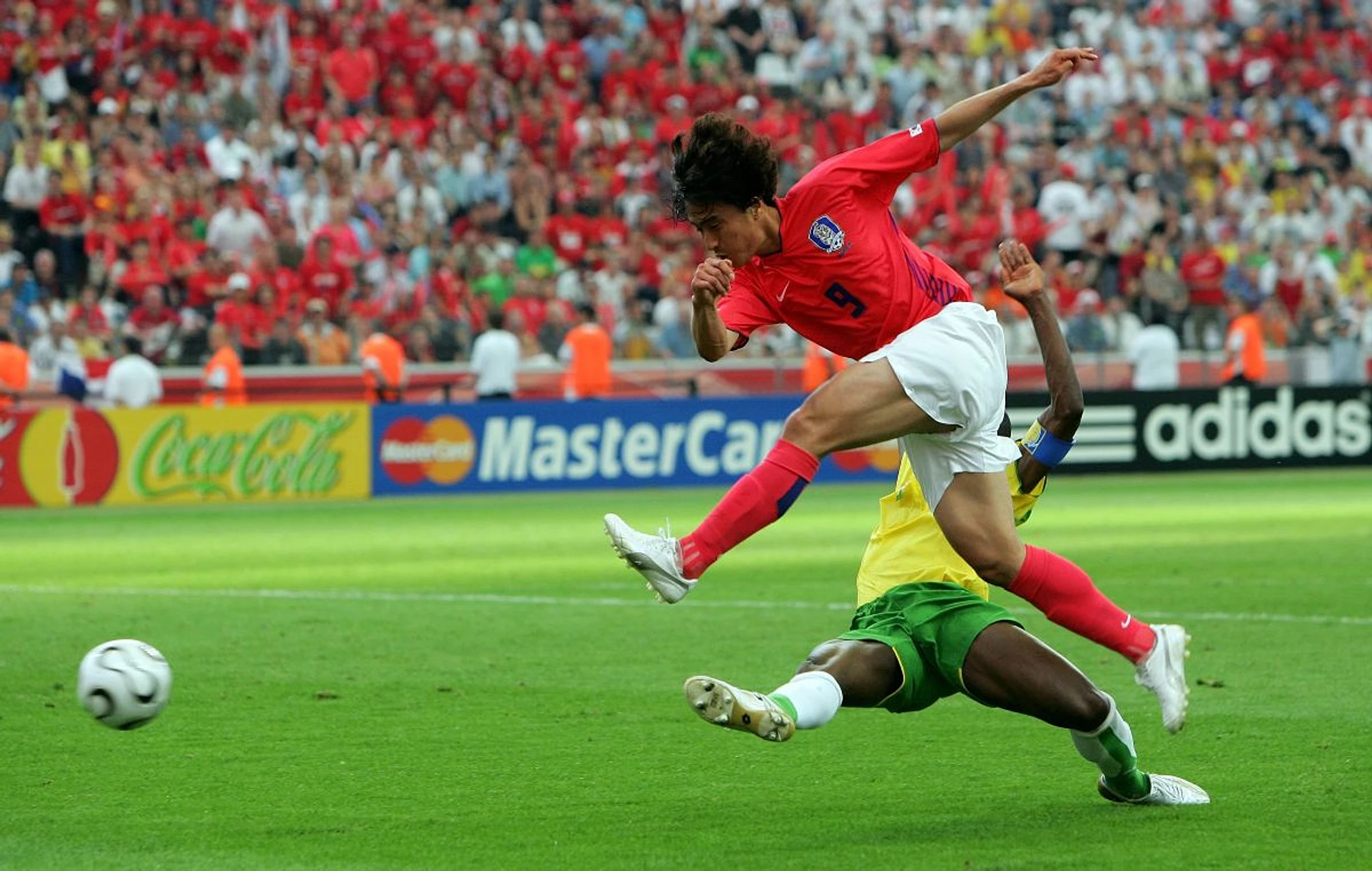
In the annals of World Cup history, few moments are as simultaneously iconic and incendiary as Ahn Jung-hwan's golden goal in 2002. The South Korean striker didn't just score; he sent one of the tournament's titans, Italy, crashing out in a stunning round-of-16 upset. The reverberations of that header would be felt far beyond the pitch in Daejeon, altering careers and sparking a footballing controversy that still resonates today.
The Italian squad, a constellation of legends like Paolo Maldini, Francesco Totti, and Christian Vieri, was heavily favored. When Vieri put them ahead early, a routine victory seemed assured. But football thrives on drama. A desperate 88th-minute equalizer from Seol Ki-hyeon forced extra time, setting the stage for Ahn's legendary intervention. In the 117th minute, he rose to meet a cross, his powerful header finding the net and etching his name into Korean sporting folklore with a golden goal.
The aftermath in Italy was one of sheer outrage, fueled by a series of contentious refereeing decisions that went against the Azzurri. The fallout was intensely personal for Ahn. At the time, he was on loan at Serie A's Perugia, having made history as the first South Korean to play in Italy's top flight. His performances had been promising, but his World Cup heroics came at a professional cost. Perugia's president, Luciano Gaucci, publicly and angrily declared the club would not exercise its option to sign Ahn permanently, directly citing the goal that "Italian football cannot forgive."
This move transformed Ahn from a player into a symbol—a testament to how fiercely club loyalties can clash with national pride. It also marked a poignant end of an era; the defeat prompted the great Paolo Maldini to retire from international football. For fans, the 2002 clash is a permanent fixture in World Cup lore, a perfect storm of high stakes, legendary players, and unforgettable controversy. It's a reminder that in football, a single moment can define a legacy, for better or worse.