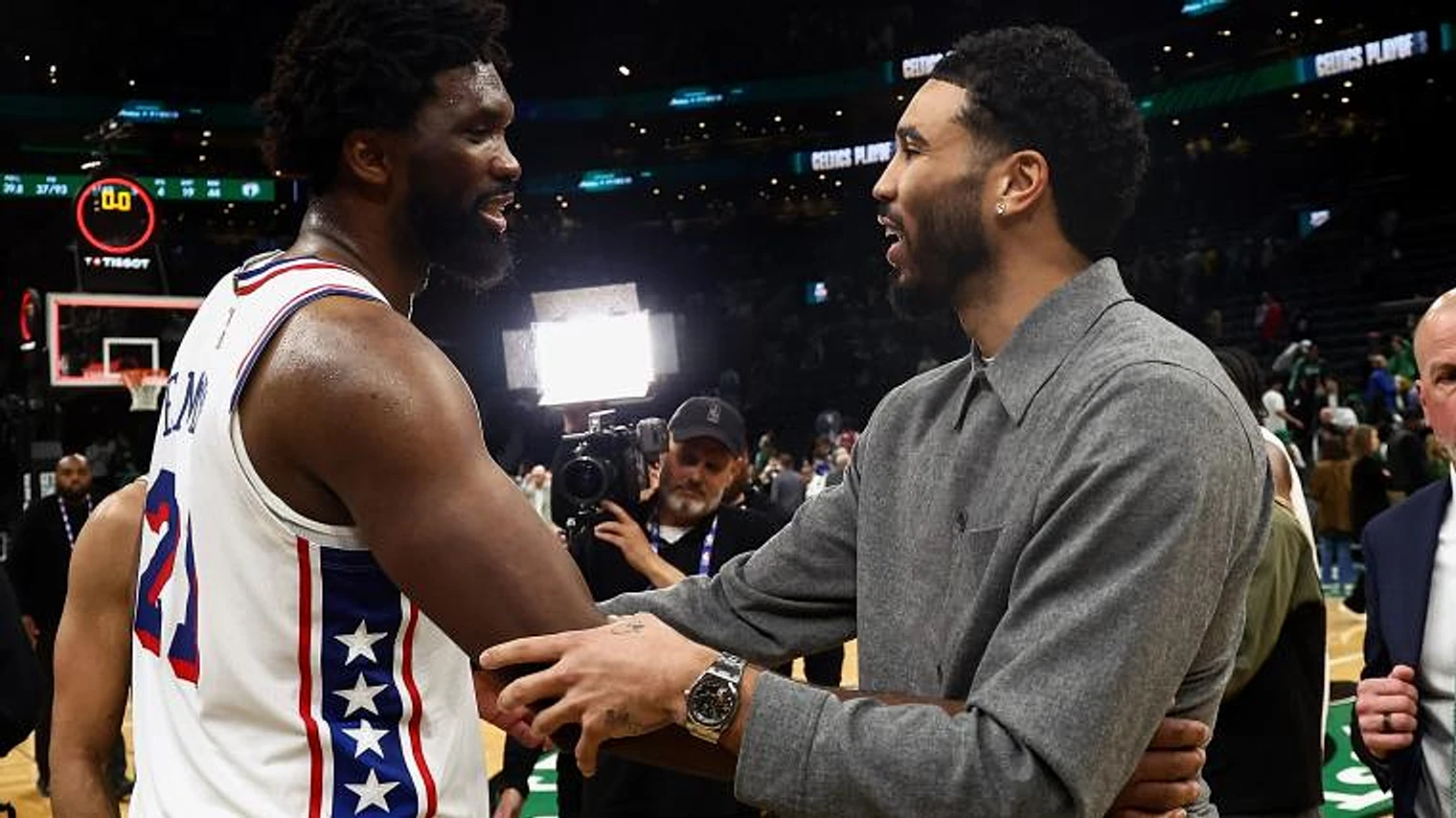
The Boston Celtics’ handling of Jayson Tatum’s knee injury has raised more than a few eyebrows—and not just among fans wondering why their star player was suddenly sidelined for a Game 7.
It all started when head coach Joe Mazzulla insisted Tatum wasn’t injured at all. Then, just hours before the do-or-die matchup against the Philadelphia 76ers, the Celtics added Tatum to the injury report as questionable. By tip-off Saturday night, Tatum was out entirely—a devastating blow to Boston’s chances of keeping their season alive.
But the real concern, as pointed out by an unlikely source—Pro Football Talk founder Mike Florio—isn’t just about the game itself. It’s about what happens when injury information is kept under wraps in an era where sports betting is legal, widespread, and deeply tied to the outcome of every major event.
In a recent article, Florio highlighted a troubling pattern: “Just last week, former NBA player and assistant coach Damon Jones pleaded guilty to charges arising directly from his mishandling of inside information. Surely, others have done the same thing, especially since the moment sports betting became normalized and legalized.”
The issue isn’t just that the 76ers might have gained an advantage by not knowing Tatum’s status sooner. It’s that the public—including bettors—was left in the dark. Florio argues that the NBA needs to take a harder look at how teams share injury information, especially when the goal of keeping opponents guessing can also keep the betting public guessing.
There are two major questions here. First, did the Celtics intentionally sidestep NBA injury reporting rules? That’s something the league will have to investigate. Second—and more importantly—did anyone with inside knowledge benefit from knowing Tatum’s status before the public did?
In a league already wrestling with concerns about tanking and competitive integrity, this case is a stark reminder that transparency isn’t just about fairness on the court—it’s about trust off it.