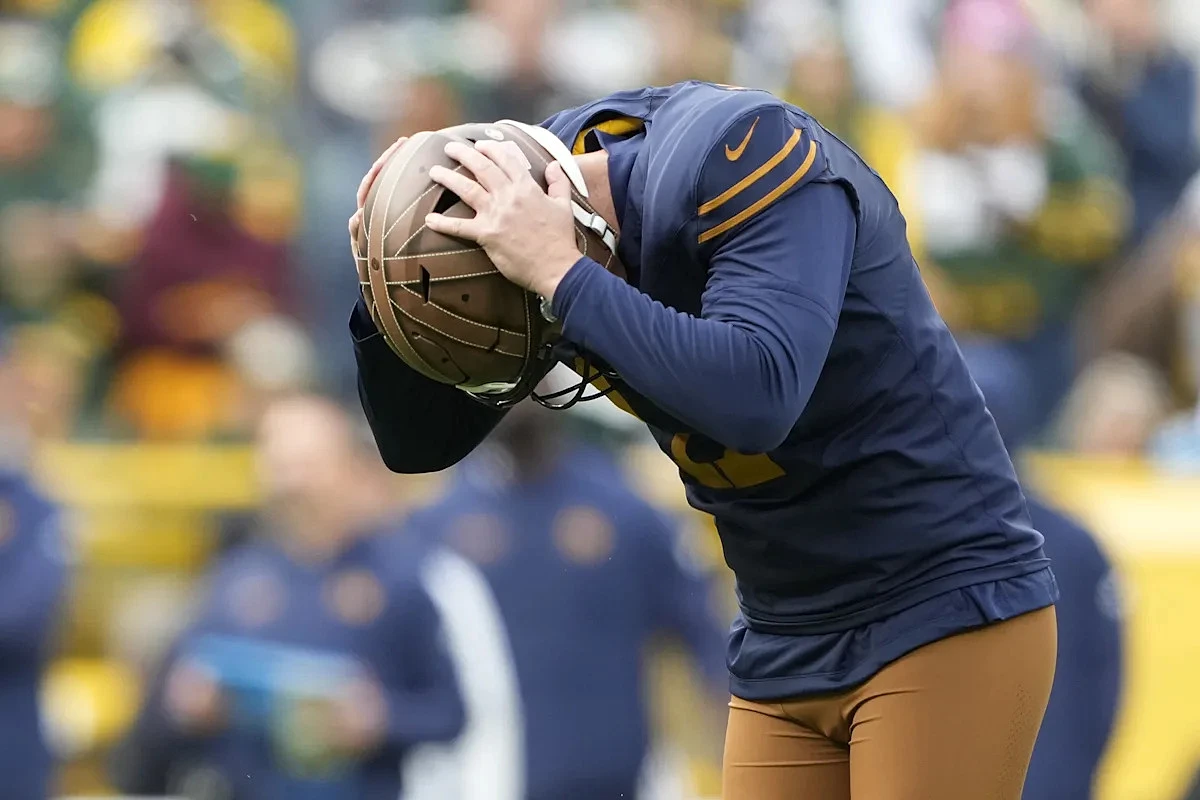
The Green Bay Packers made headlines by trading up to draft a kicker—and believe it or not, that move was actually smart process. Let's break down why.
For years, analytics experts have used a statistic called Win Percentage Added, or WPA. This metric uses historical data to estimate your chances of winning based on the current game state. For example, if you're up by three points with 1:48 left and about to kick off, your win probability sits at roughly 50%. But if that lead grows to four points in the same scenario, your odds jump to 70%.
WPA has become a buzzword in recent seasons, especially during dramatic comebacks. You've likely heard reporters say things like, "The Bears won despite Green Bay's win probability eclipsing 98% at one point." It's a handy tool for identifying game-changing moments—but it's less useful for labeling "clutch" players or predicting future performance.
However, when it comes to field goal kickers, WPA deserves center stage. Unlike any other position in football, kickers operate in extremely high-leverage situations. And while WPA is arguably the best way to quantify their importance, it actually understates just how critical they are.
Now, let's address the criticism head-on. Many have blasted Green Bay for drafting a kicker at all—and for the audacity of trading up to get him. To those critics, I say: you're missing the point.
Look, the Packers' track record with kickers in the post-Mason Crosby era has been dreadful. They drafted Anders Carlson (the less successful brother of Daniel Carlson), likely because special teams coach Rich Bisaccia knew the family. Their random finds, like Lucas Havrisik, have flopped—despite Havrisik hitting a franchise-record kick last season. And they stuck with Brandon McManus largely because of his outlier 2024 campaign, where he converted 95.2% of his field goals.
So no, Green Bay doesn't deserve the benefit of the doubt based on past performance. But trading two seventh-round picks for a kicker? That's a perfectly reasonable use of resources. In a league where games often come down to a single kick, investing in reliability is smart football—even if it looks unconventional on paper.