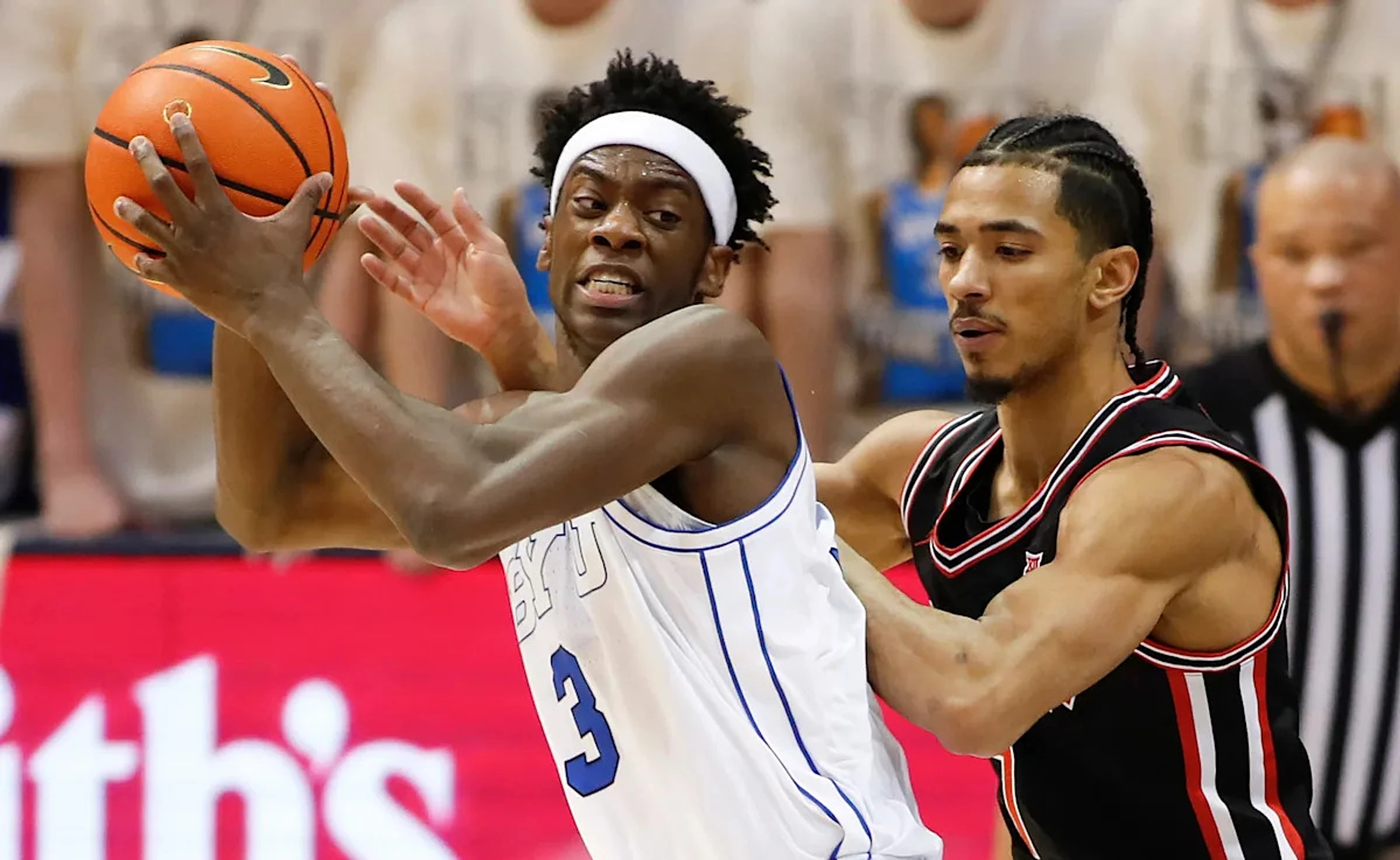
The 2026 NBA Draft is just two months away, with BYU sensation AJ Dybantsa projected as the likely top pick. As the regular season dust settles, revealing the league's bottom-dwelling teams, Commissioner Adam Silver and the NBA office are once again grappling with a perennial and thorny issue: how to design a stronger, more effective anti-tanking system. This isn't just about one draft; it's about creating a plan that works every single year, regardless of the fluctuating talent pool entering the league.
As any seasoned analyst will tell you, not all draft classes are created equal. Some years gift the league transformative No. 1 picks like Tim Duncan, LeBron James, or Zion Williamson. Other years, the top spot yields less certain returns. The incentive for a team to strategically lose games—or "tank"—varies wildly depending on whether a generational talent like Dybantsa is waiting or not. A truly robust anti-tanking strategy must account for this inconsistency and disincentivize losing, even in a "weaker" draft year.
This season, the Washington Wizards finished with a league-worst 17-65 record. The current question facing the league is profound: should enduring a historically bad season automatically grant the best odds for a prized top pick? It creates a dangerous calculus where losing an extra 10 or 15 games could be seen as a strategic investment. While non-playoff teams should certainly have access to top incoming talent, the process shouldn't feel like a race to the bottom where the biggest loser "wins" the grand prize.
The ultimate goal is to improve the league's overall product and maintain a fan-friendly experience. When teams appear to prioritize future draft position over present competitiveness, it undermines the integrity of the 82-game season and alienates the fanbase. A smart plan needs to value competitiveness and effort, making wins and losses matter in the ecosystem without making them the sole determinant of a franchise's future. The challenge is crafting a creative solution that keeps every game meaningful, honors the competitive spirit of the sport, and ensures a brighter future for all teams—and the fans who support them.