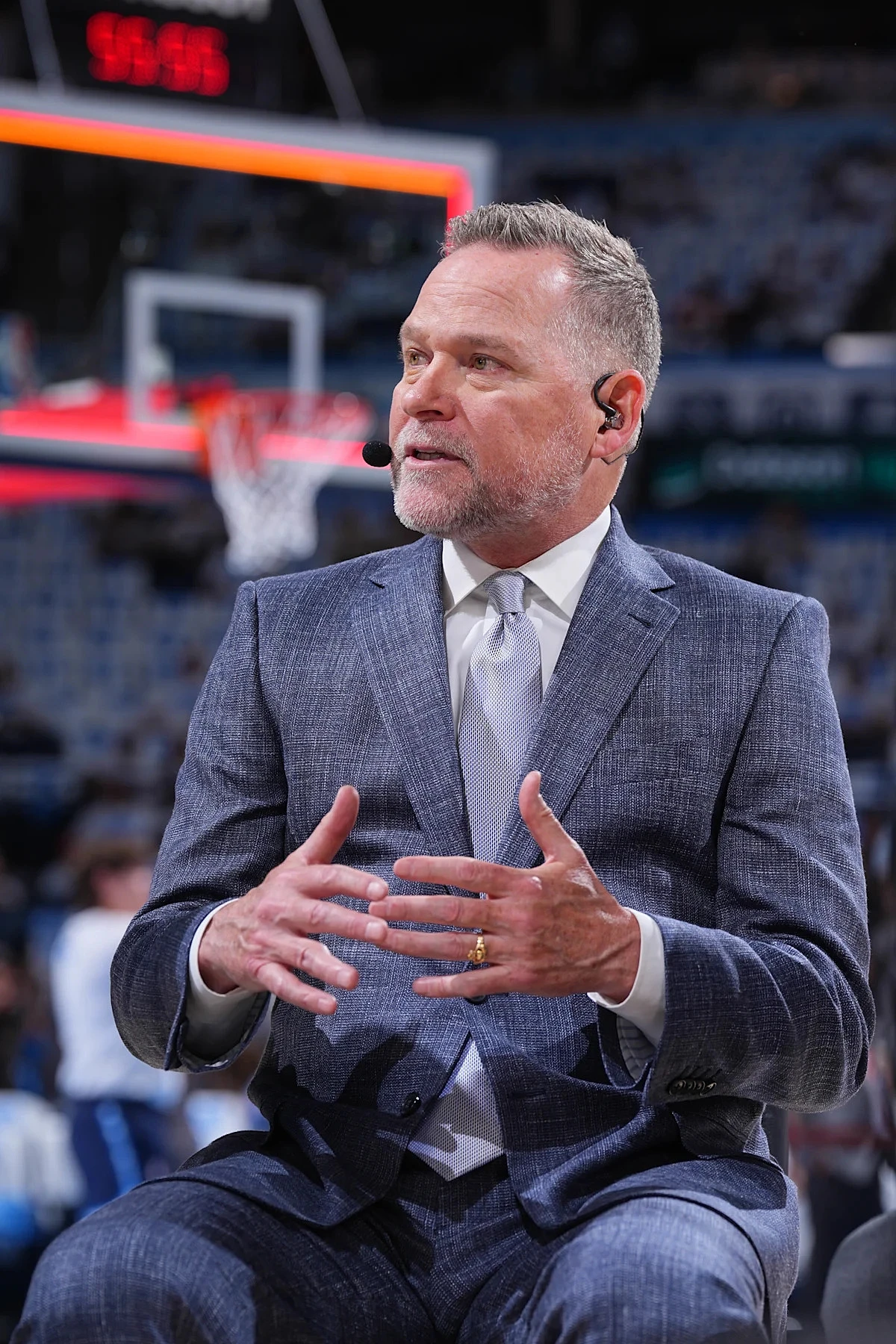
The hiring of Michael Malone as North Carolina's new head basketball coach has sparked plenty of debate, and it's understandable if you're approaching it with a healthy dose of skepticism. While he may not have been the most obvious candidate on the board, his arrival in Chapel Hill marks a significant moment for a program navigating the modern era of college basketball.
Almost immediately, comparisons were drawn to another high-profile, unconventional hire in Chapel Hill: the football program's acquisition of Bill Belichick. On the surface, the parallels are tempting. Both moves came somewhat out of left field, prioritizing extensive professional coaching resumes over the traditional college coaching carousel. Malone does have some collegiate experience, but the game has transformed dramatically since then, leading to valid questions about adapting to today's NIL and transfer portal landscape.
The cautionary tale of the Belichick hire, where many predicted challenges have indeed materialized, makes it fair to harbor similar concerns about Malone. There's a legitimate argument that a coach already steeped in the current college ecosystem might have been a safer play. However, dismissing this as a carbon copy of the football situation would be a mistake. The contexts are fundamentally different.
Unlike Belichick, who was seeking a quick return to the sideline after his long NFL tenure, Malone is stepping into a basketball program with a storied tradition and a different set of competitive dynamics. College basketball, while evolved, still operates on a different wavelength than the NFL's corporate structure. Malone's reputation as a communicator and program-builder with the Denver Nuggets suggests a skillset that could translate, focusing on culture and player development—assets as valuable as any playbook in today's game.
This hire is a calculated gamble, not a desperate reach. It reflects a program aiming to blend professional sophistication with Carolina's iconic legacy. While the outcome is uncertain, it's a distinct path forged for the basketball court, not the football field. The Tar Heels are betting that Malone's vision can bridge two worlds, and that journey alone will be one of the most compelling stories in college sports next season.