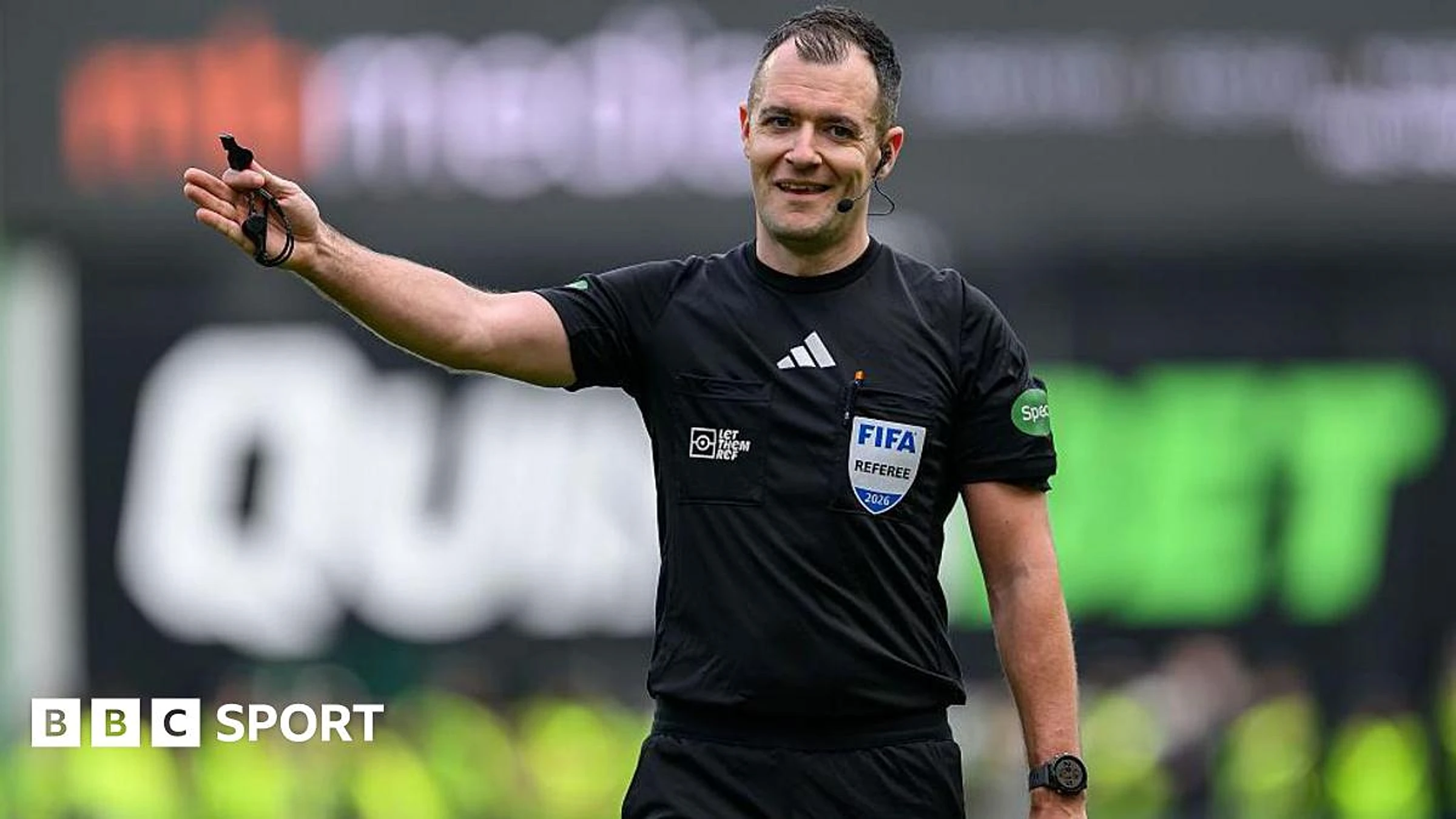
In Scottish football, there's no job quite like being a referee. When the title race comes down to the wire and the Old Firm are involved, every whistle, every card, and every VAR check is scrutinized through a lens of suspicion. Fans see bias where there might only be human error, and the pressure on officials is immense.
This season, that pressure has boiled over. After Celtic's contentious win over Motherwell, referee John Beaton and his family were placed under police surveillance after their personal details were leaked online. The Scottish FA didn't mince words in response, calling it "the inevitable consequence of the heightening criticism, intolerance, and scapegoating" from pundits, supporters, clubs, and players. They warned that those who "apportion blame and conspiracy towards match officials" have created an environment that jeopardizes safety.
Former Celtic striker and BBC Sport expert Chris Sutton summed up the long-standing narrative: "Whose side are the referees on? That's the way it's viewed among both fan bases. There's always been conspiracy theories doing the rounds." In a league dominated by Celtic and Rangers, every referee is supposedly pigeonholed—either a "Celtic man" or sympathetic to Rangers. It's a narrative that never fades, no matter how much the officials try to stay neutral.
This weekend, the stakes reach their peak. Celtic face Hearts in a final-day showdown that will decide the Scottish Premiership champion—a rarity in a league where the title is often wrapped up early. For the officials, it's a high-wire act. Every decision will be magnified, every potential mistake dissected. It's the kind of pressure that tests even the most experienced referees.
For fans watching at home or in the stands, it's a reminder of how much weight rests on those black shirts. And for those of us who love the game—whether we're wearing our team's colors or just enjoying the drama—it's a moment to appreciate the human element in the beautiful game, flaws and all.