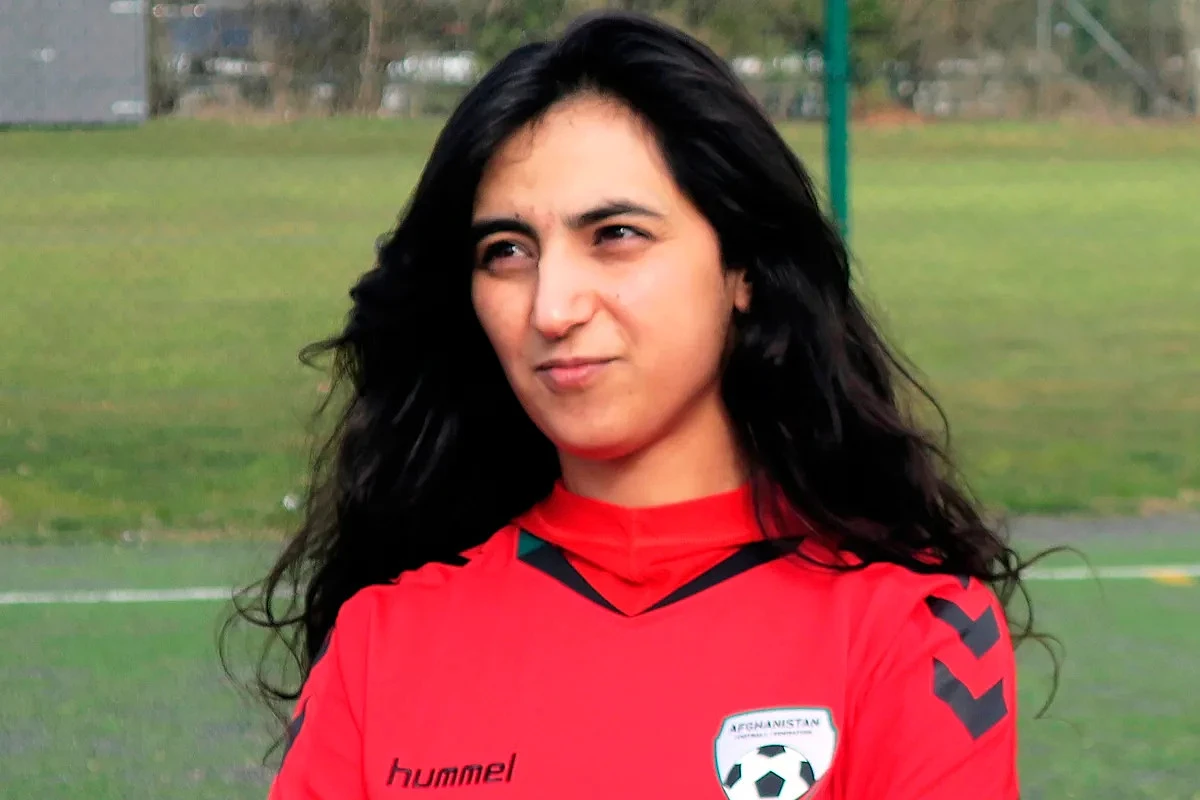
For former player and activist Khalida Popal, the recent formal recognition of an Afghanistan women's refugee team by FIFA is about far more than just soccer. It's a powerful statement about identity, resilience, and the unbreakable spirit of Afghan women.
Last week, during a meeting in Vancouver, the FIFA Council voted to amend its rules and officially recognize the team—known as Afghan Women United—after years of tireless campaigning by Popal and a global network of advocates. This landmark decision means the team could one day qualify for the World Cup or even the Olympics. For Popal, it was a moment of triumph after a long, hard-fought battle.
"It has always been about the identity, it has always been about the greater mission, beyond football," Popal told the Associated Press. "We are not the most skillful team in the world, if you look at our ranking or our results. It's never been only about football. Of course, football is the love and joy that brings us together. We'll never forget that, but it was more about who we are as the identity—the women of Afghanistan."
Popal was one of the founding members of the Afghanistan national women's team back in 2007. The team fought for acceptance from the very beginning, long before the Taliban's return to power led to a complete ban on women playing sports. When Kabul fell in 2021, Popal played a crucial role in helping players flee the country to safety.
Since then, she and the players who escaped—along with a dedicated group of advocates—have been working to revive the national team as a refugee squad eligible to compete for spots in major international tournaments. The victory for Afghan Women United is not just a win for them; it also sets a precedent for other teams that may face similar challenges in the future.
"They have taken this great step to not only allow the women of Afghanistan to represent the country as a national team, but they have also changed and adapted the statutes so that no team in situations like ours will suffer the way we have suffered and sacrificed," Popal said. "So this change is not only for Afghanistan and the future of Afghan women, but it is a change for football globally."
With more than 80 Afghan refugee players now carrying the hopes of their nation on the pitch, this is a story of courage, community, and the enduring power of sport to create change—one that resonates far beyond the field.