The NFL's relationship with drafting running backs early has cooled dramatically. Since Saquon Barkley went second overall in 2018, not a single back has been selected in the top five. In fact, only two—Bijan Robinson and Ashton Jeanty—have cracked the top ten in the seven drafts since. It's a stark shift from the consecutive years of Ezekiel Elliott and Leonard Fournette going early.
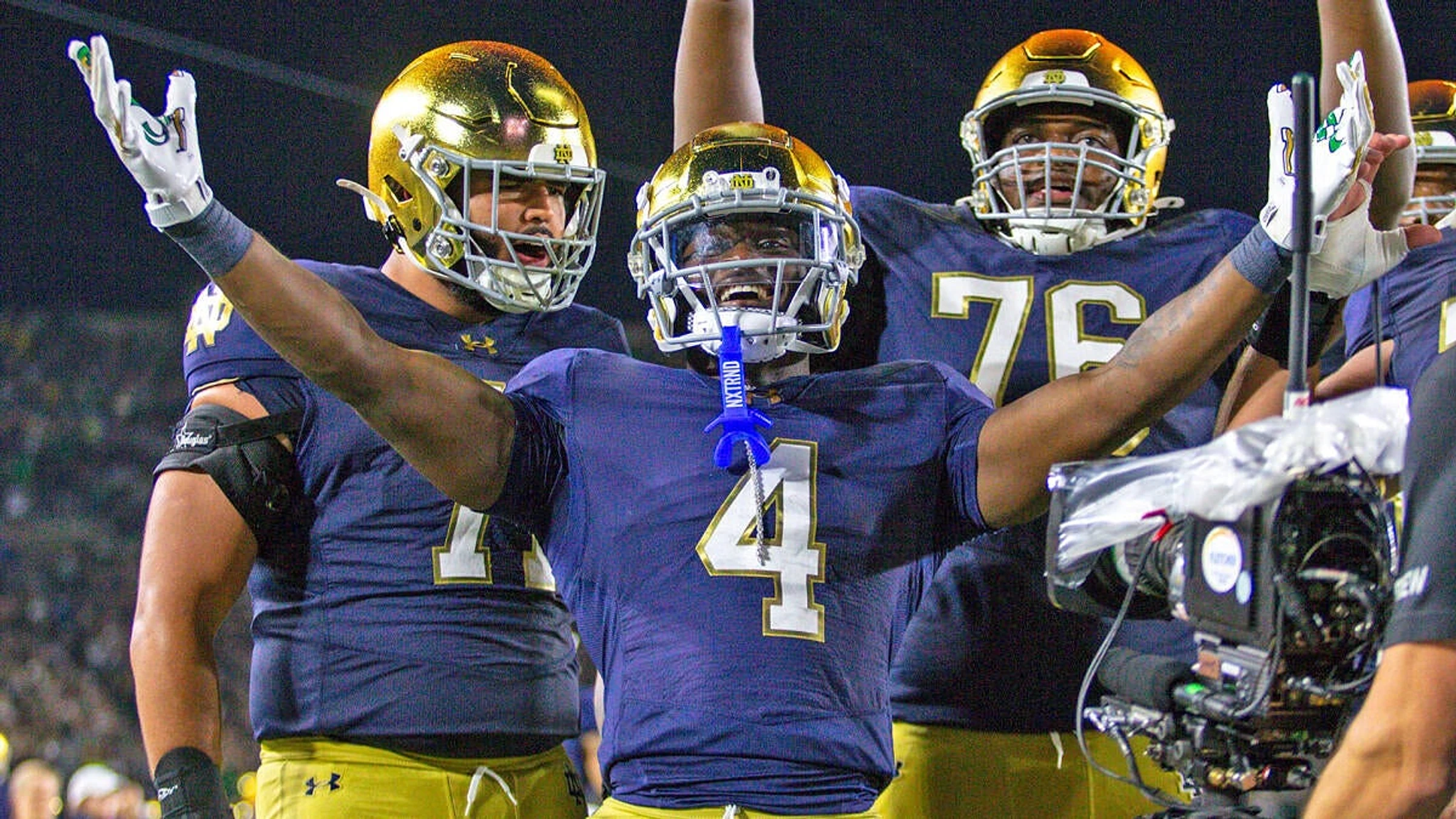
That trend, however, faces a serious challenger in the 2026 draft class: Notre Dame's Jeremiyah Love. With a potentially weaker crop of elite prospects at traditionally premium positions, Love isn't just a top-tier running back prospect; he's a perfect schematic fit for the modern NFL, making a compelling case to break the drought.
The argument for selecting Love in the top five is built on more than just talent; it's about evolution. Today's offenses crave big-play potential from the backfield, and Love is a walking explosive play. Boasting 4.36 speed, he turned 44 of his 433 career carries into gains of 15+ yards. His 6.9 yards per carry over the last two seasons ties him with Ashton Jeanty for the highest among backs with 300+ attempts.
But his value extends beyond the handoff. Love presents a nightmare matchup as a receiver, with a large catch radius, soft hands, and surprisingly polished route-running. In an era where the running back is increasingly a weapon in the passing game, he offers everything a creative offensive coordinator could want.
The case against using such a precious pick on him hinges on classic, data-driven roster construction. Historically, a running back's success is heavily influenced by scheme and offensive line play, often ranking as the third-most important variable on a given run. The investment in a top-five pick is immense, and the positional value—coupled with the shorter career span and replaceability of backs—makes it a risky bet for many front offices. It's the fundamental debate: transcendent talent versus cold, hard positional value. For one team, Jeremiyah Love might just be worth the gamble.