In today's world of streaming services and on-demand entertainment, it's easy to forget that there was a time when watching your favorite out-of-town team was a rare luxury. Before the era of 24/7 sports channels and instant highlights, catching a regular-season game from another city was appointment television—something you'd plan your entire evening around.
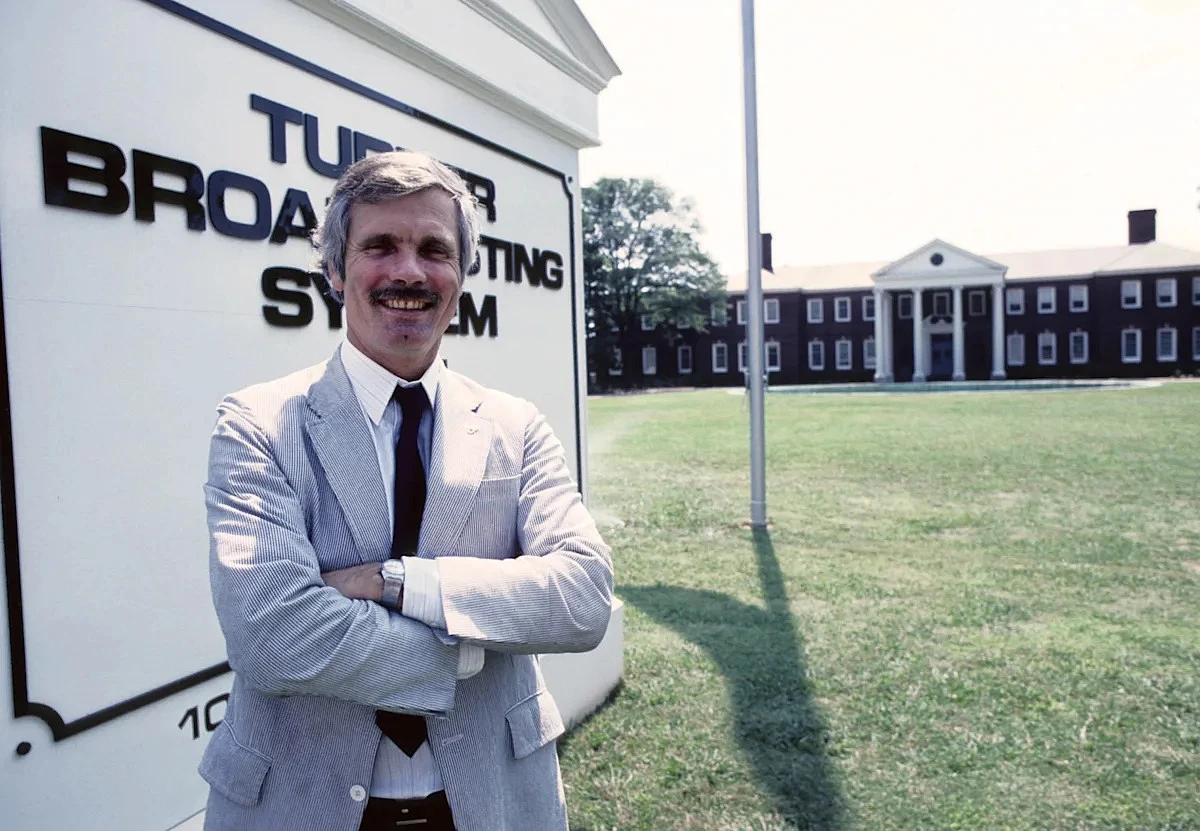
That all changed thanks to one visionary: Ted Turner. When Turner bought the Atlanta Braves in 1976 and began broadcasting their games on his Turner Broadcasting System in 1977, he revolutionized how we consume sports. The Chicago Cubs followed suit with WGN in 1978, but Turner was the true pioneer. For the first time, a national audience could regularly tune in to watch a team's games without settling for local broadcasts or the occasional national game of the week.
The secret? The "superstation" TBS, which used satellite technology to beam its feed across America. While the concept might seem quaint now, it was groundbreaking. But it wasn't until the explosive growth of cable television in the 1980s that the Braves' national reach truly exploded. Suddenly, millions of households had access to Braves games, and Turner began calling his franchise "America's Team"—a label he may have borrowed from the Dallas Cowboys, but one he used with a flair that even the attention-hungry Cowboys owner Jerry Jones could envy.
Turner didn't just change how we watched sports; he changed how owners connect with fans. He became the face of the franchise, famously sitting in the stands right above the Braves' dugout—often alongside his then-wife, superstar actress Jane Fonda. In 1977, he even named himself the Braves' manager for one game, a move so shocking that Major League Baseball told him never to do it again. That brash attitude and showmanship were exactly what Atlanta needed. During Turner's first 15 seasons as owner, the Braves were a national fixture on TV but rarely made the postseason. Still, he had already changed the game forever—making sports accessible, entertaining, and always just a click (or a cable channel) away.