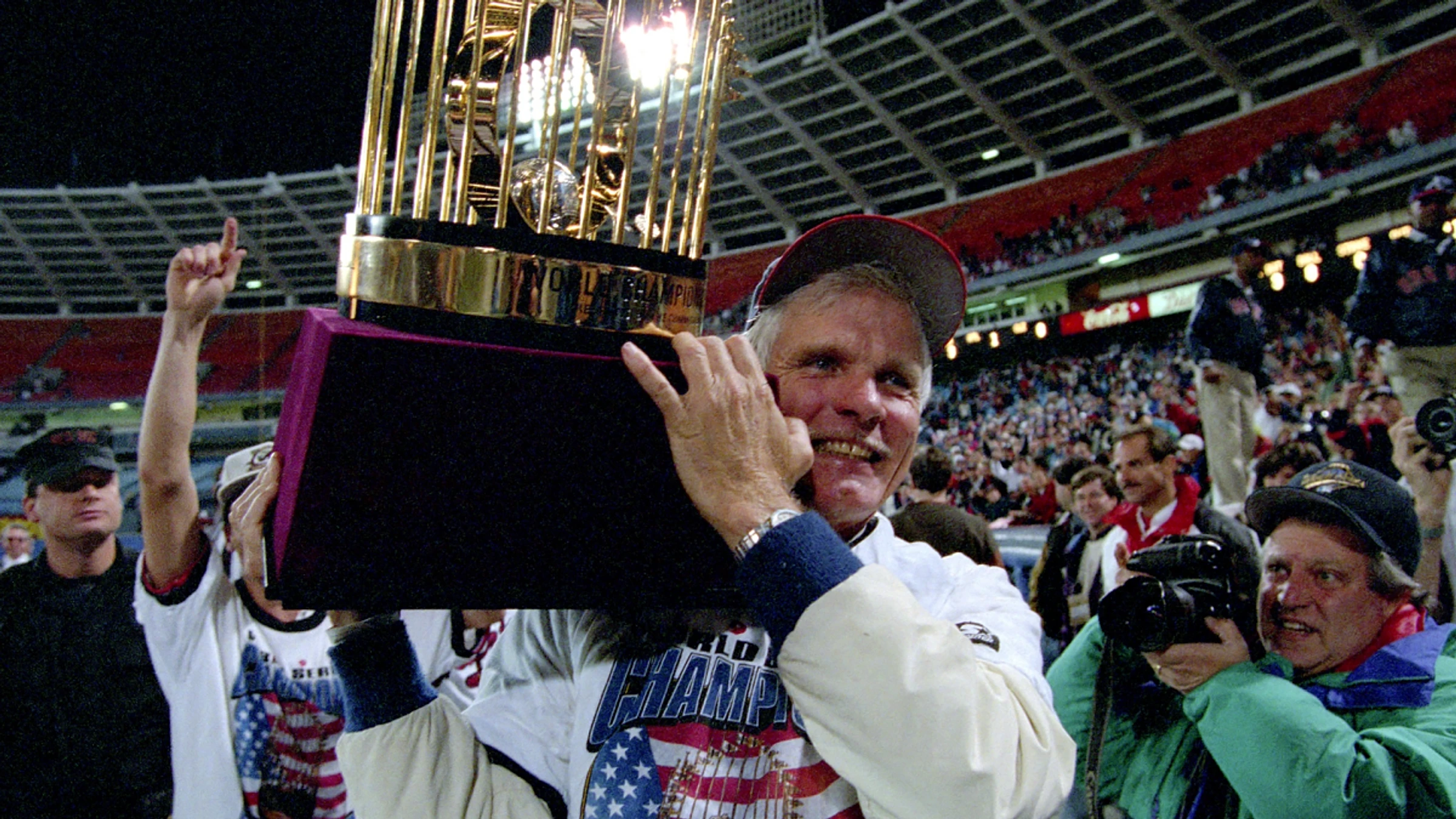
Ted Turner, the visionary media mogul and owner of the Atlanta Braves, Atlanta Hawks, and World Championship Wrestling (WCW), has passed away at the age of 87. Turner Enterprises confirmed his death on Wednesday, marking the end of an era for sports and broadcasting.
Turner had been battling Lewy Body Dementia since his diagnosis in 2018 and was hospitalized with pneumonia in 2025. His influence, however, extended far beyond his health struggles—he was a true pioneer who reshaped how we experience sports.
The Atlanta Braves released a heartfelt statement honoring their former owner: "Ted Turner was one of a kind—a brilliant businessman, consummate showman, and passionate fan of his beloved Braves. His visionary leadership and innovative approach to broadcast television transformed the Braves into 'America's Team.' Under his stewardship, the ballclub experienced one of the greatest runs of sustained excellence in Major League Baseball history and brought a World Series championship to Atlanta in 1995." The statement also highlighted his legendary philanthropy, adding, "We will miss you, Ted. You helped make us who we are today."
Born in Ohio, Turner became a fixture of the Atlanta business scene and a media trailblazer. He founded CNN, the first 24-hour cable news network, and TBS, the first cable superstation, along with TNT. But for sports fans, his most lasting legacy may be his ownership of the Braves, which he purchased in 1976 for just $12 million. He turned the team's telecasts into signature programming for his fledgling WTBS network, making the Braves a national phenomenon.
Turner was a promotional maverick. In the early years, the Braves struggled on the field, but his relentless creativity—like managing the team himself for one game in 1977 before the National League stepped in—kept fans engaged. The team's fortunes turned when he hired Bobby Cox as manager in 1978. Cox's second tenure, starting in 1990, ushered in a dynasty that culminated in the 1995 World Series championship.
Turner's impact on sports culture is immeasurable. He didn't just own teams; he made them household names, turning the Braves into "America's Team" and paving the way for the modern sports media landscape. His legacy lives on in every fan who wears a Braves cap or tunes into a game on cable TV.