For years, the annual driver launch felt as predictable as the changing seasons in golf. Every January, a new model would hit the shelves with a fresh face, a sleeker crown, and promises of more speed, more forgiveness, and more distance. No company embraced this rhythm quite like TaylorMade Golf—churning out innovations year after year for nearly a quarter century.
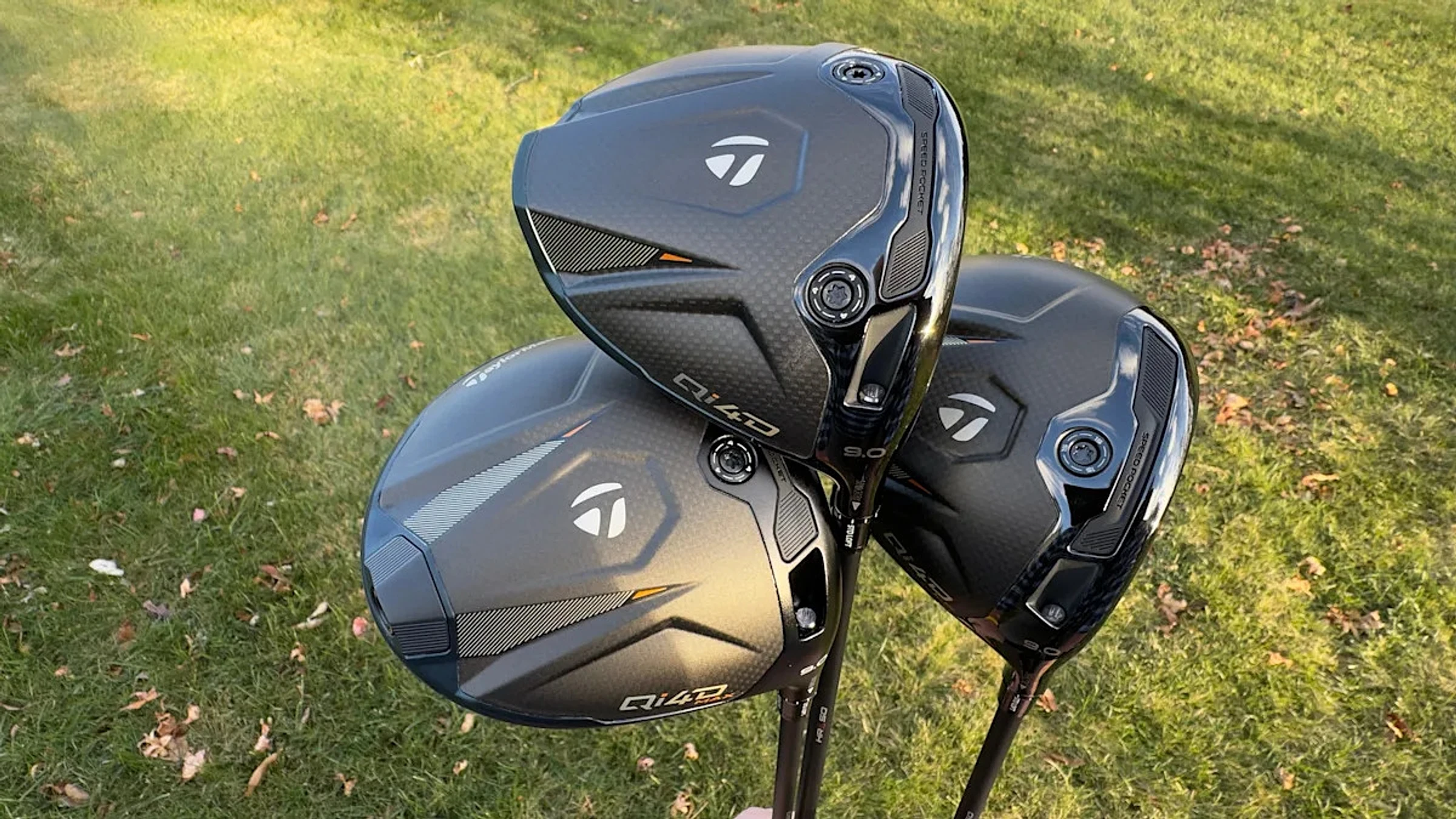
But the game is changing. TaylorMade has just announced a major shift: it will move its driver lineup to a two-year product cycle. That means the Qi4D family, introduced in 2026, will remain the flagship driver through 2027, with the next major launch not expected until 2028.
So, why the sudden slowdown? The answer lies in the evolution of the technology itself. Fifteen or twenty years ago, manufacturers could deliver truly transformative leaps in short bursts—adjustable hosels, movable weights, multi-material construction, and carbon-fiber crowns. These innovations dramatically changed what drivers could do and how fitters could fine-tune them. Golfers could see—and feel—the difference immediately.
Today, drivers are already operating near the limits set by the USGA and R&A. Ball speeds are tightly regulated. Moment of inertia (MOI) ceilings are being hit. Aerodynamics can still improve, but the gains are smaller and harder to come by. The challenge now isn't about discovering massive gains; it's about finding tiny advantages in launch, spin consistency, stability, and acoustics—without sacrificing something else in the process.
For golfers, these facts—combined with rising prices—have changed the buying equation entirely. A decade ago, many players replaced their drivers every two or three years because the performance gains often justified the expense. But now, if you already own a properly fit driver from one or two generations ago, convincing yourself to spend $650 or more for a few hundred RPM of spin optimization or slightly improved forgiveness is a much tougher sell.
That reality has golfers holding onto their drivers longer, especially when those clubs continue to perform at a high level. TaylorMade's move to a two-year cycle isn't just a business decision—it's a recognition that the era of annual revolutions is giving way to a more thoughtful, measured approach to innovation. And for golfers, that might just mean better equipment, better value, and more time to perfect your swing.