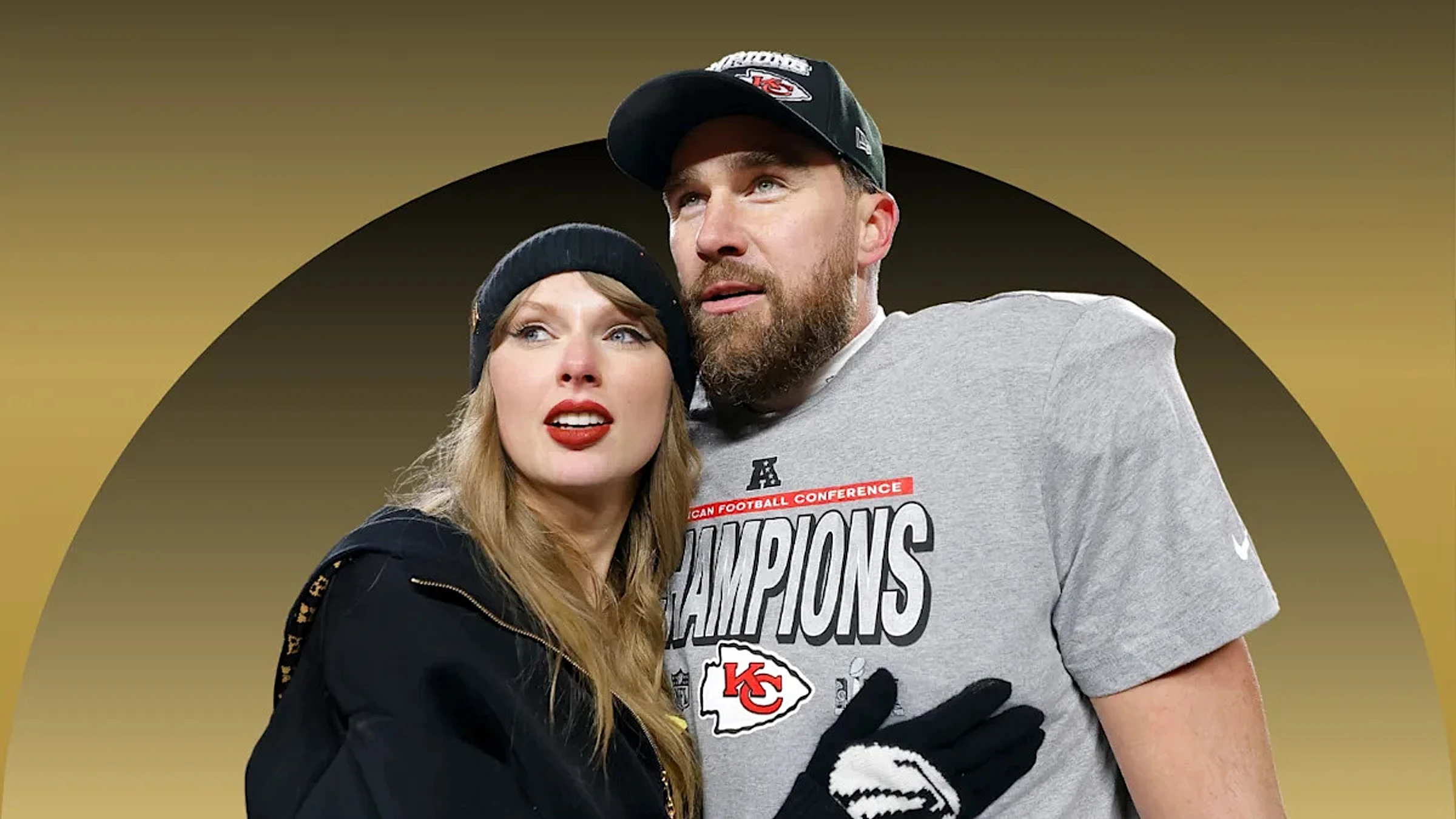
In a move that's sending ripples through the entertainment and sports worlds, Taylor Swift has filed trademark registration applications with the U.S. Patent and Trademark Office to protect her voice and image from unauthorized use by artificial intelligence. And here's the kicker: the legal strategy she's using is one that athletes might want to borrow for their own playbook.
Swift isn't breaking new ground here. Actor Matthew McConaughey successfully obtained similar trademarks last year for his audio and video clips, including iconic moments from his films. These high-profile moves come at a critical time when generative AI platforms are becoming increasingly sophisticated at creating deepfakes and other unauthorized content that exploits the identities of celebrities, influencers, and athletes alike.
The threat to athletes is very real. In February, AI-generated sexualized images of female Olympic athletes surfaced online, sparking outrage. That same month, the White House posted a TikTok video featuring an AI-altered version of Ottawa Senators captain and Olympic gold medalist Brady Tkachuk mocking Canada. More recently, AI-generated videos of New England Patriots head coach Mike Vrabel and journalist Dianna Russini appearing on the Maury Povich show circulated widely on social media.
While most viewers can spot these fakes, "most" doesn't mean "everyone." And with AI video technology rapidly improving, the line between real and fabricated is getting blurrier by the day. That's why protecting one's name, image, and likeness (NIL) from AI exploitation is becoming a priority for athletes who want to maintain control over their personal brand.
The legal framework for this protection already exists. As Sportico recently explored, athletes can turn to their right of publicity—governed by state law—to fight unauthorized AI-generated content that borrows or exploits their identity. By following Swift and McConaughey's lead and filing trademark applications, athletes can create an additional layer of legal protection that makes it harder for bad actors to misuse their voice, image, or likeness without permission.
For athletes who've built their personal brand through years of hard work on and off the field, this isn't just about legal protections—it's about preserving the value of their NIL in an increasingly digital world where the line between authentic and artificial is getting harder to see. And as Swift's latest move shows, sometimes the best defense is a good trademark offense.