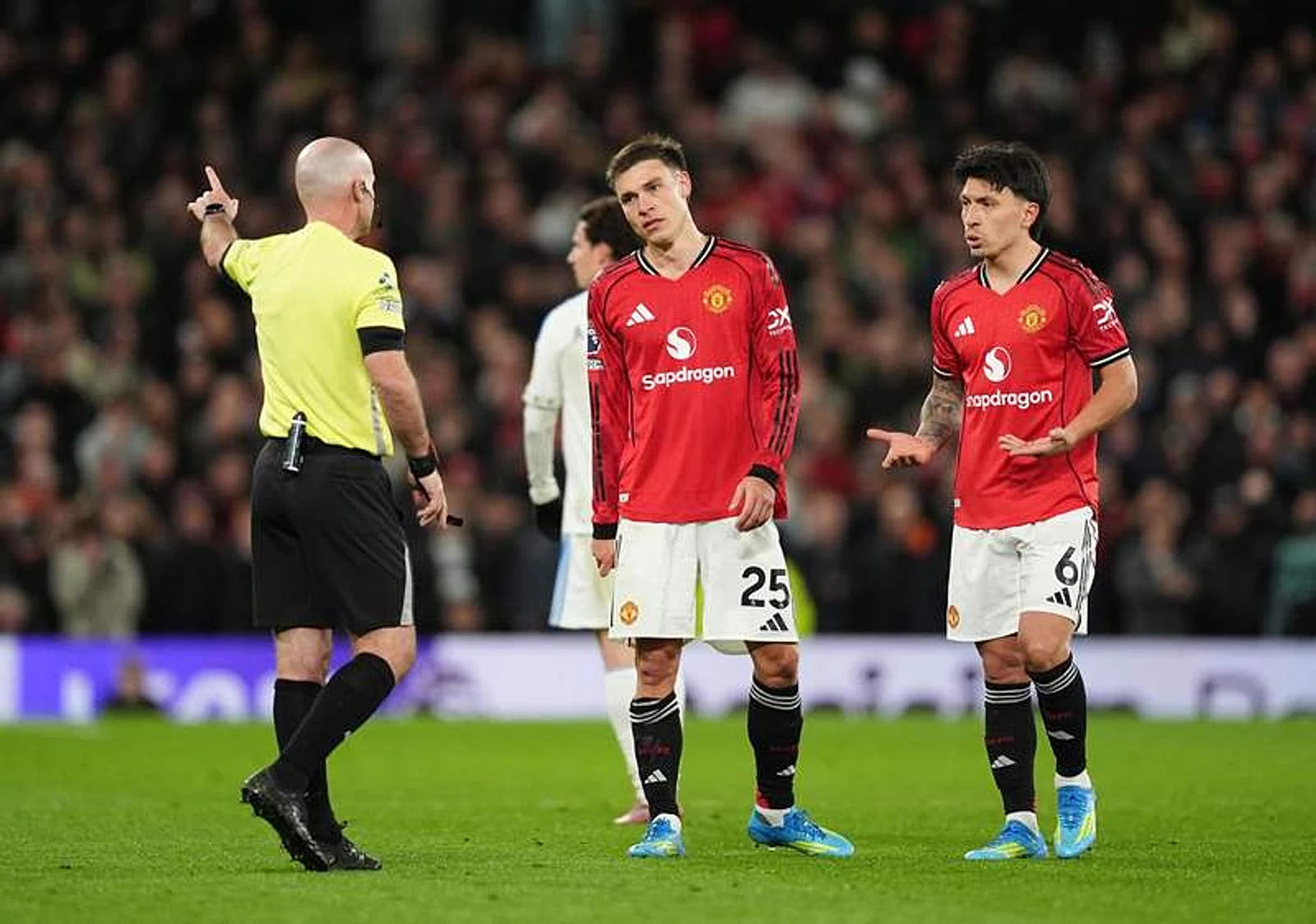
When the VAR monitor lights up in a Premier League match, the initial call is almost certainly about to be changed. A new study from the University of Bradford has revealed that referees overturn their original decisions a staggering 95% of the time after a Video Assistant Referee intervention.
The research, analyzing over 1,500 matches from the past four seasons, provides hard data on a process that often feels decisive in real-time. In 250 instances where VAR recommended an on-pitch review, referees ultimately changed their minds nearly every single time.
Interestingly, the study found that classic football pressures—like roaring home crowds, a tight scoreline, or a late-game moment—had no statistical bearing on whether a call was reviewed or overturned. The data also showed no significant bias toward home or away teams in the VAR process.
However, the researchers did identify one potential point of influence: the pitchside monitor's location. Positioned close to passionate home supporters, its environment could subtly impact a referee's final judgment. As a solution, the authors suggest relocating the review station to a more neutral, screened-off area like the tunnel, while ensuring the process remains visible for broadcast transparency.
This data underscores the immense authority of the video review system in modern football. For players and fans, it confirms that once VAR gets involved, the game's trajectory is very likely to shift.