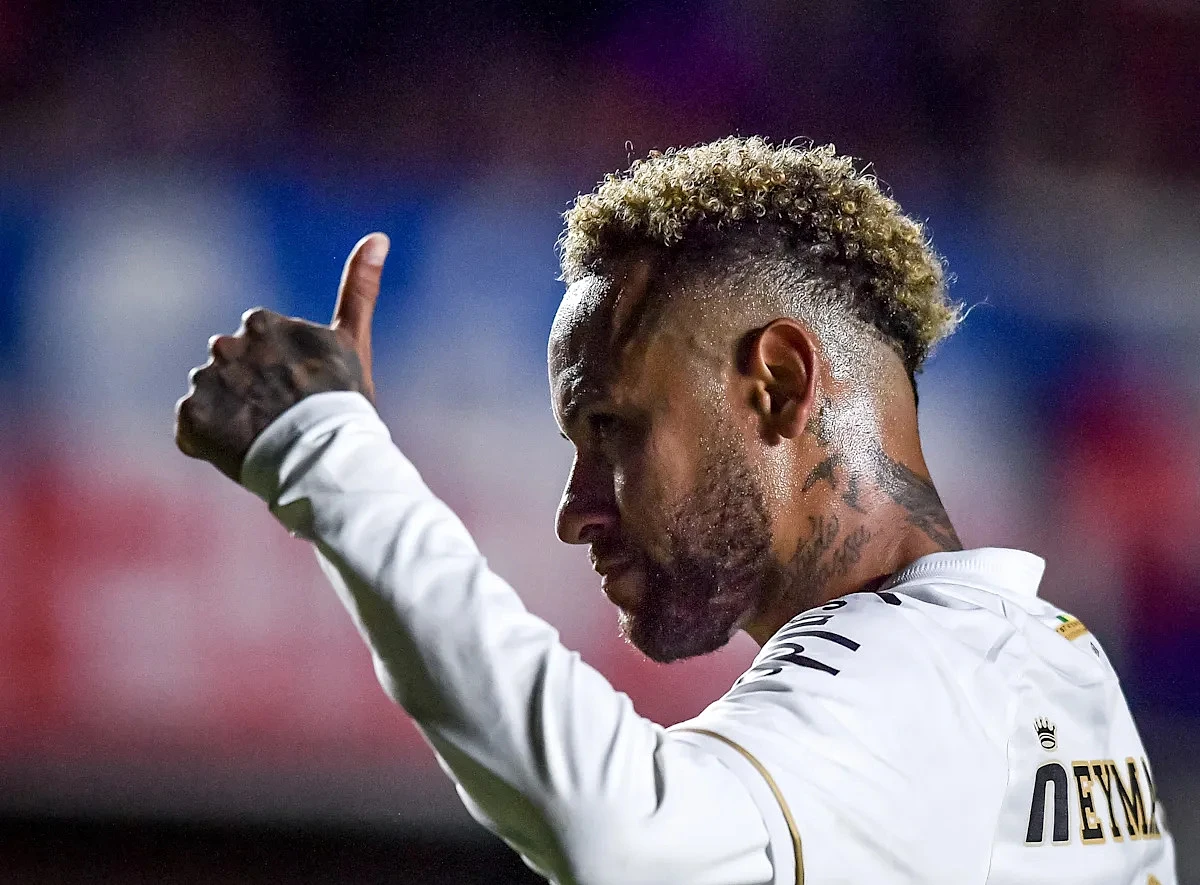
Santos takes the field against Recoleta in Paraguay tonight, but all eyes are on a simmering internal conflict that has rocked the club's locker room. According to renowned journalist Paulo Vinicius Coelho (PVC), the squad has closed ranks behind superstar Neymar following a training ground altercation with teammate Robinho Júnior.
While Neymar has reportedly admitted privately that he was wrong to slap Robinho Júnior during a heated session, the team's reaction isn't about condoning the act itself. Instead, it's about a breach of football's unwritten "code of ethics." Sources say the players' frustration with Robinho Júnior boiled over when his representatives decided to file an extrajudicial notice against Neymar. In the world of professional football, incidents that happen on the training pitch are meant to be resolved on the pitch—or within the club's four walls. Taking the matter to the legal sphere was seen as a "spoiled" move, isolating the young player from his teammates.
Despite the tension, both players traveled together for the match. Neymar is expected to start, while Robinho Júnior is likely to begin on the bench. Santos president Marcelo Teixeira has launched an internal investigation to establish the facts, aiming for an institutional resolution to the assault.
But the impact of this incident reaches far beyond Vila Belmiro. PVC notes that episodes of indiscipline and "self-sabotage" like this are viewed with extreme concern by the CBF (Brazilian Football Confederation). Neymar's behavior could directly influence his call-up for the 2026 World Cup under manager Carlo Ancelotti. This isn't the first time the star has clashed with teammates—remember the 2019 altercation with full-back Wéverton. This repeat pattern, combined with the legal exposure of the current case, calls into question Neymar's last argument for securing his place on the world stage.
For fans and followers of the beautiful game, this is a stark reminder that even the brightest stars can cast long shadows. As Santos takes the field, the question remains: can the team channel this internal fire into performance, or will it consume them?