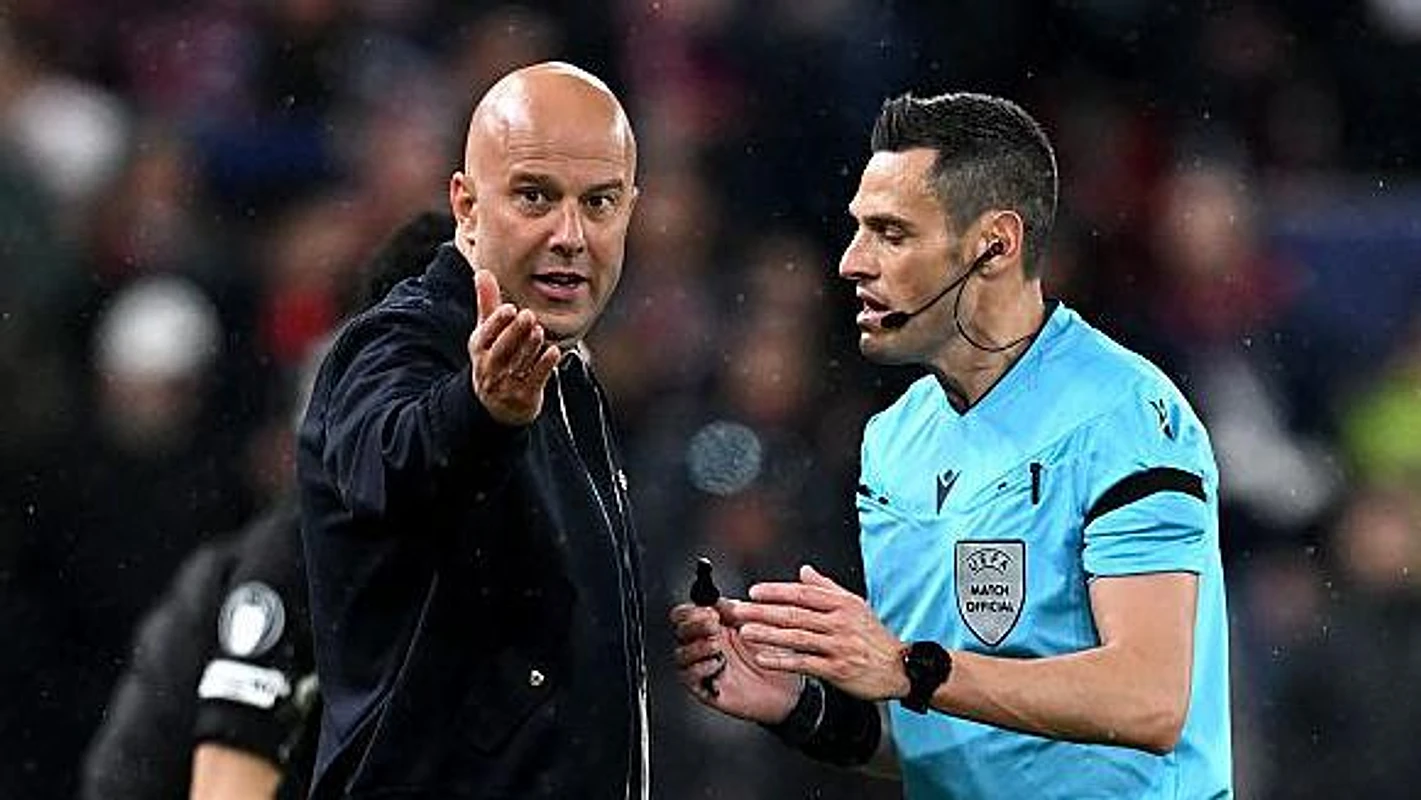
It was a moment that could have changed everything for Liverpool in Paris. Trailing 2-0 from the first leg, a 64th-minute penalty awarded to the Reds offered a lifeline back into their Champions League tie with PSG. But in a flash, VAR intervened, referee Maurizio Mariani consulted the pitchside monitor, and the decision was overturned. Five minutes later, Ousmane Dembélé scored, effectively sealing Liverpool's fate with a 2-0 defeat on the night and a 4-0 aggregate exit.
After the match, manager Arne Slot voiced a familiar frustration, claiming a pattern of decisions has gone against his side this season. "I'm not surprised," Slot stated. "So many decisions have gone against us. It's quite simple. If the referee doesn't give a penalty, the VAR would have never overturned it." His point centers on consistency, arguing that minimal contact has led to penalties conceded by Liverpool without VAR review, while a similar incident in their favor was meticulously dissected and overturned.
The incident itself involved Alexis Mac Allister and PSG's Willian Pacho. Mac Allister shielded the ball in the area, there was contact from Pacho on his boot, and he went down. On-field referee Mariani immediately pointed to the spot. However, VAR official Marco di Bello quickly recommended a review, deeming the contact insufficient for a penalty—a judgment that falls into the contentious "clear and obvious error" gray area that often sparks debate.
While Slot acknowledged Liverpool had some fortune with a PSG penalty being overturned in the first leg, his post-match comments hinted at a broader grievance. He referenced a soft foul called against Virgil van Dijk at Brentford that led to a goal, suggesting it was one of many examples. For a club and fanbase with a history of intense scrutiny on officiating, this latest high-stakes VAR reversal adds another chapter to an ongoing narrative, leaving players and supporters alike questioning the consistency of the game's most debated technology.