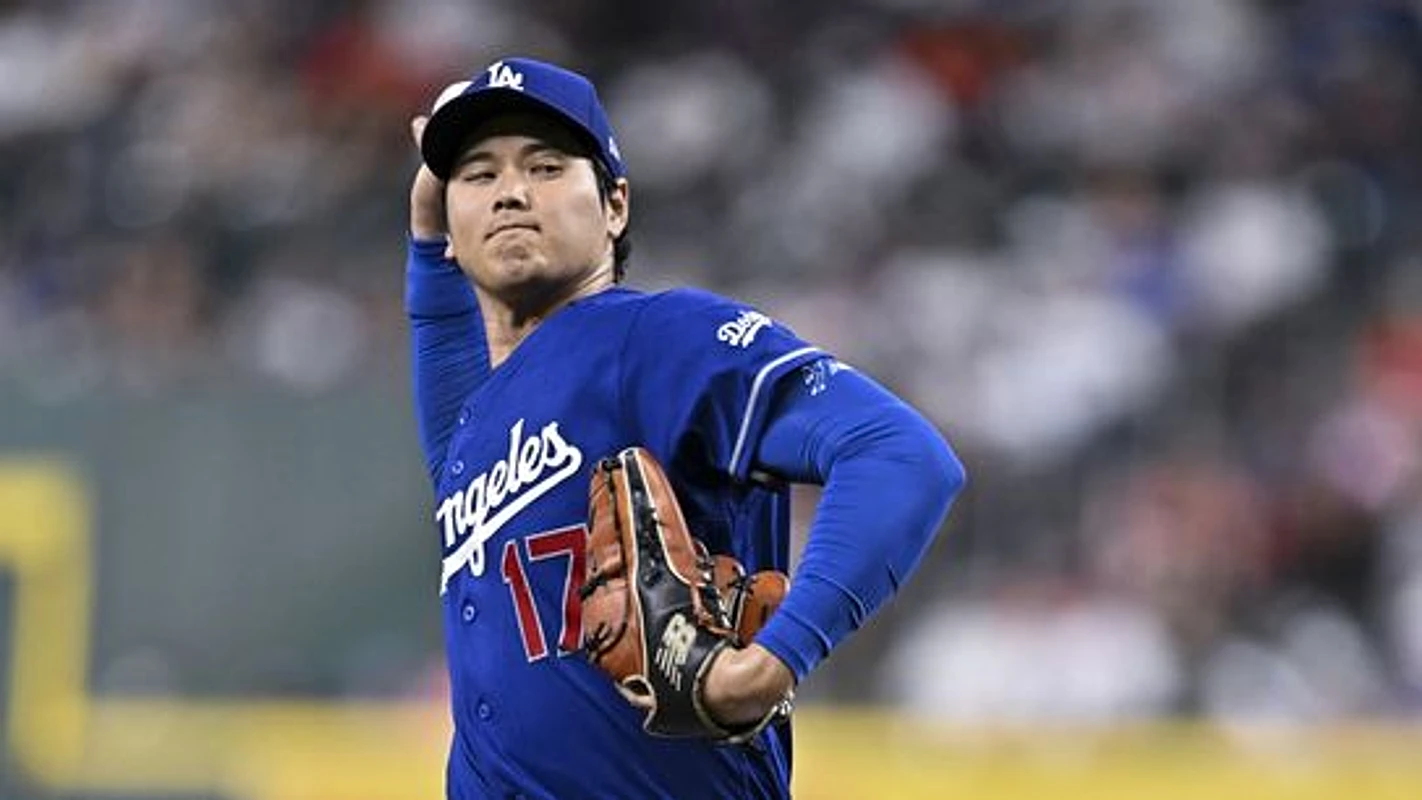
The Dodgers keep finding new ways to make Shohei Ohtani’s brilliance feel like a footnote. On a quiet Tuesday night at Daikin Park, Ohtani delivered exactly what you’d expect from an ace—and still walked off the mound with a loss attached to his outing. The Dodgers fell 2-1 to the Houston Astros, dropping another one-run game in which their most dynamic player was limited to just one side of his skill set.
Working strictly as a pitcher again, Ohtani turned in his most extended outing in nearly two years. Seven innings. Eight strikeouts. No walks. Just 89 pitches, 62 for strikes. Outside of two early mistakes—solo home runs by Christian Walker in the second and Braden Shewmake in the third—he dictated the game. His final line: 7 IP, 4 H, 2 ER, 0 BB, 8 K, with his ERA rising slightly to 0.97. It should have been the headline. Instead, it’s buried under another night where the offense vanished until it was too late.
The only life came in the eighth, when Kyle Tucker poked an RBI single to right to cut the deficit to one. That was it. No sustained pressure. No response to early damage. Just another late, insufficient push.
Here’s where this gets uncomfortable for manager Dave Roberts. For the second straight Ohtani start, Roberts opted to use him as a pitcher only—no DH, no bat in the lineup. For the second straight time, the Dodgers lost by one run. Last week, it was against the Miami Marlins. This time, a more respectable opponent, but the same hollow result. Coincidence? Maybe. But it’s starting to feel like more than that.
Even in the middle of an 0-for-17 slump, Ohtani’s presence changes the shape of a game. Pitchers work differently. Bullpens get leveraged earlier. Mistakes get punished differently. Take that out, and the Dodgers lineup, deep as it is on paper, suddenly looks a lot more ordinary. For a team chasing October glory, wasting Cy Young-caliber performances is a dangerous habit—one that could define their season if they don’t find a way to match Ohtani’s brilliance with their bats.