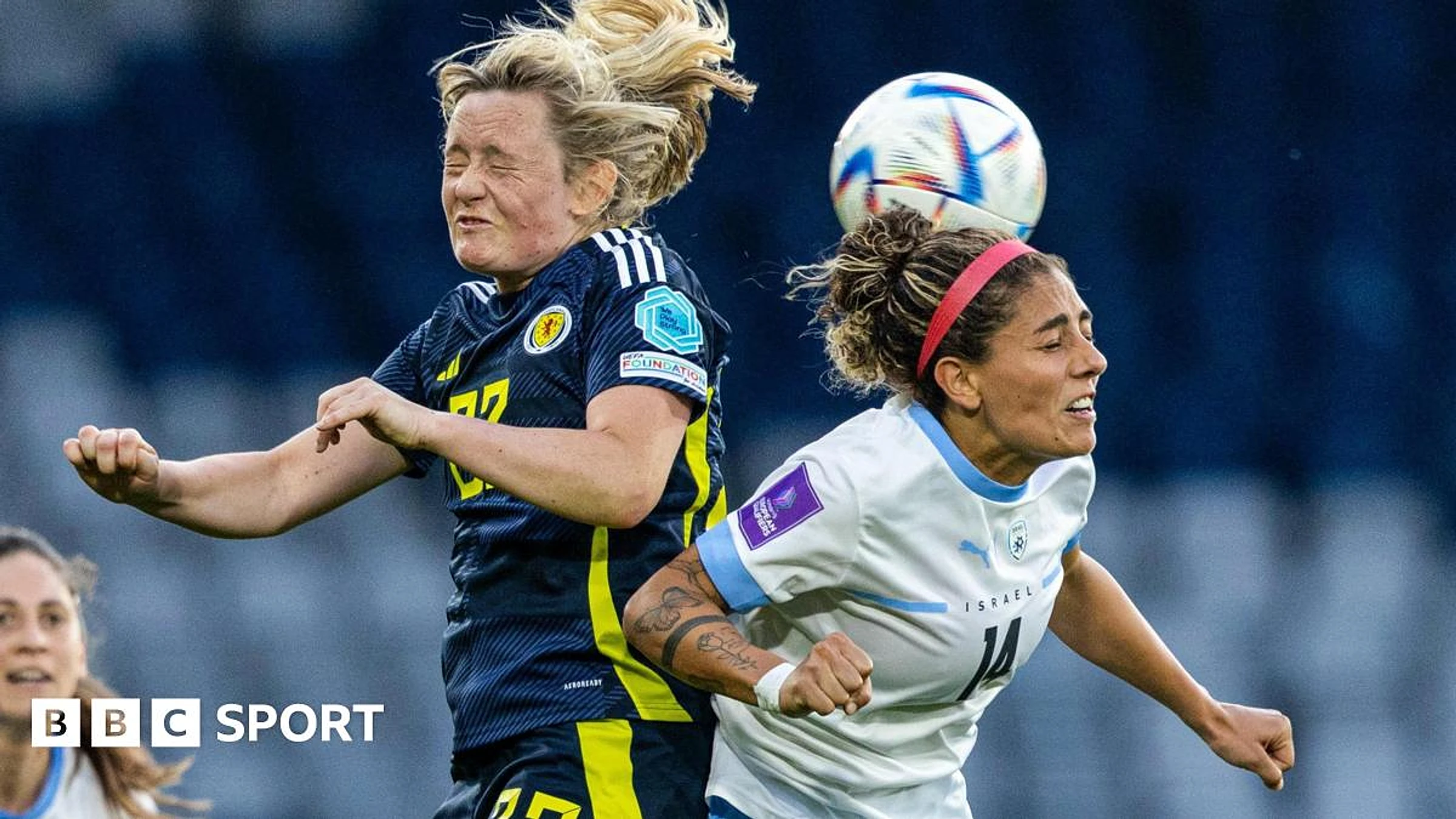
Scotland's Women's World Cup qualifying journey takes an unusual turn next month, as their double-header against Israel will be played behind closed doors at a neutral venue in Hungary. The matches, set for the Bozsik Arena in Budapest, mark a critical moment for Melissa Andreatta's squad as they aim to solidify their spot atop Group B4.
Currently unbeaten and leading the group on goal difference, Scotland have already secured a place in the play-offs later this year. The first clash kicks off on Friday, 5 June at 17:00 BST, followed by the final group game on Tuesday, 9 June at 18:00. It's a chance for the team to build momentum and sharpen their form ahead of the knockout stages.
UEFA's decision to ban matches in Israel due to security concerns has forced both the 'home' and 'away' fixtures to be held in Hungary. This isn't new territory for the Scots—they faced Israel in Euro 2025 qualifying in Budapest, securing a dominant 5-0 victory. The reverse fixture at Hampden Park, also played behind closed doors, saw Scotland win 4-1, though it was marred by a protester chaining himself to a goalpost, delaying kick-off.
The Scottish FA has remained tight-lipped about why the 'home' leg isn't being played in Scotland, simply stating that the decision aligns with other teams in Group B4. Israel has already played their opening four games—against Belgium and Luxembourg—behind closed doors at the Budaorsi Stadion, where Scotland also played in 2024. This time, they'll switch to the Bozsik Arena, the same venue where Hungary faced Israel in their Euro 2025 play-off.
For Scotland, this double-header represents more than just group-stage business. It's a chance to build on their recent form and push toward a first World Cup appearance since 2019. The team has struggled to qualify for the last three major tournaments, but under Australian coach Andreatta, there's a renewed sense of purpose.
The decision to play behind closed doors has sparked debate, especially after the Republic of Ireland's men's team faced a similar situation. The FAI inquired about sanctions for refusing to play Israel in the Nations League and were warned of potential disqualification, leading them to proceed. Former Ireland international James McClean criticized the FAI for lacking "backbone," but the Scottish FA has not responded to fresh requests for comment on their own approach.
As Scotland gear up for these crucial matches, fans will be watching closely—not just for the results, but for the team's resilience in an unusual setting. Whether it's the roar of an empty stadium or the focus of a squad determined to make history, this double-header is a testament to the challenges and triumphs of international football.