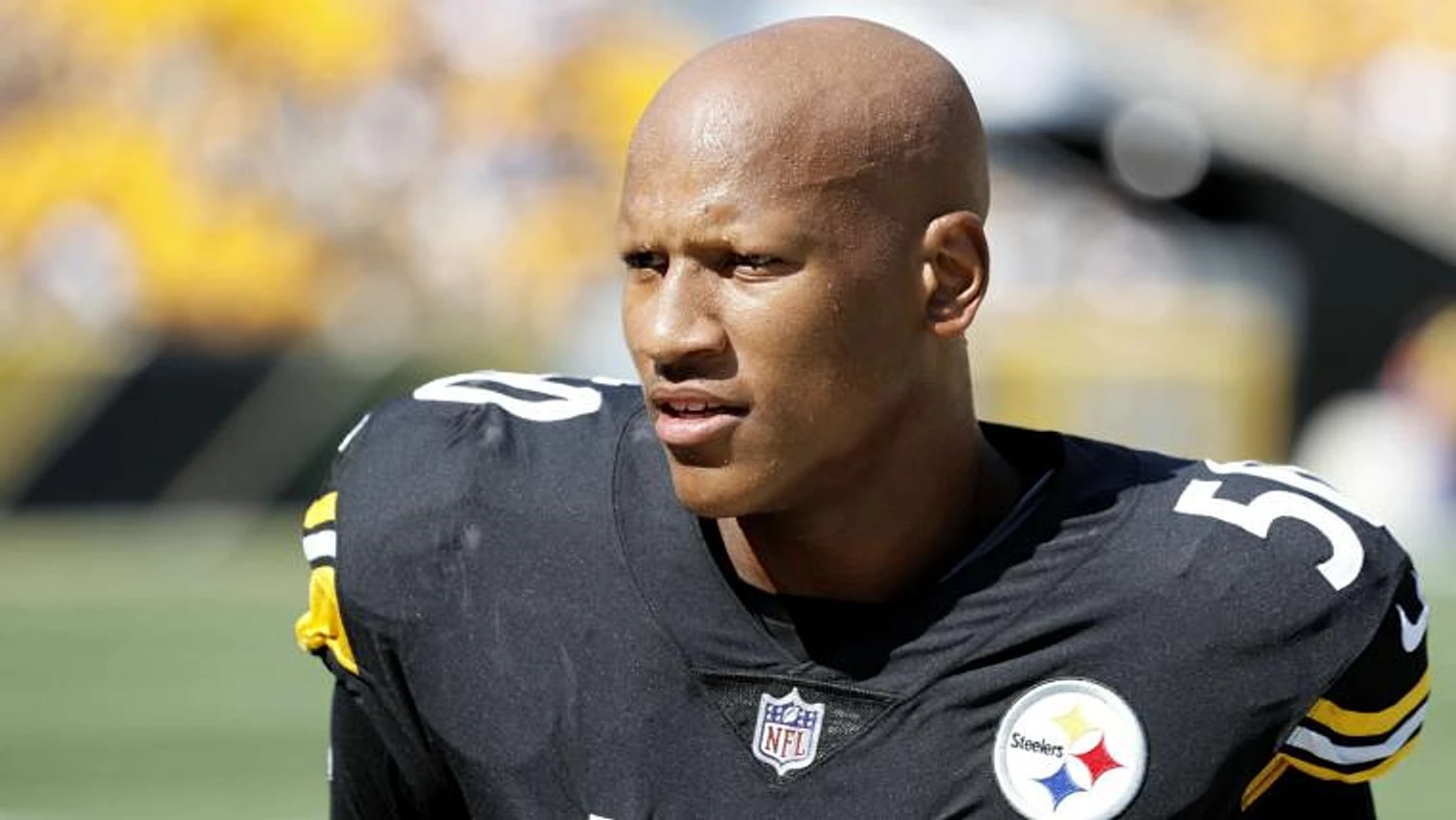
Former Pittsburgh Steelers star Ryan Shazier is turning adversity into action with his upcoming "Run for the Black and Gold" charity event, set for May 15 at Acrisure Stadium in Pittsburgh.
Shazier's NFL journey took a dramatic turn in December 2017 when a head-on tackle left him temporarily paralyzed from the waist down, requiring spinal stabilization surgery. But the two-time Pro Bowler wants everyone to understand a crucial message: spinal cord injuries don't discriminate by sport or lifestyle.
"It can happen to anyone at any given time," Shazier shared in a recent interview. "A lot of people think it can be from sports or riding a bike, but unfortunately someone gets hurt with a spinal cord injury pretty much every minute of the day." He went on to share stories of everyday accidents—someone falling on their cat at home, another tripping on their oven, or simple falls down stairs and car crashes—all leading to life-altering injuries.
Inspired by his own recovery journey, Shazier founded the Ryan Shazier Fund for Spinal Rehabilitation in 2020. The organization has become a beacon of hope for spinal cord injury patients navigating their own roads to recovery.
This year's flagship fundraiser, "Run for the Black and Gold," promises to be anything but your typical charity gala. While the name suggests a horse race, it's actually a creative dice-rolling competition where celebrity jockeys roll to determine which horse crosses the finish line first. The event operates as a 50-50 raffle, meaning half the proceeds go directly to spinal rehabilitation efforts—and Shazier notes that winners often donate their half back to the cause.
"It's a really cool setup," Shazier explained. "It's like a gala, but instead of just having a traditional gala, it allows people to have fun, have drinks, dress up a little bit and do something a little different than your usual foundation or corporate event."
The event marks another chapter in the inspiring story of the former Ohio State All-American and first-round Steelers draft pick, proving that even after his playing days ended, his impact on the Pittsburgh community—and beyond—continues to grow.