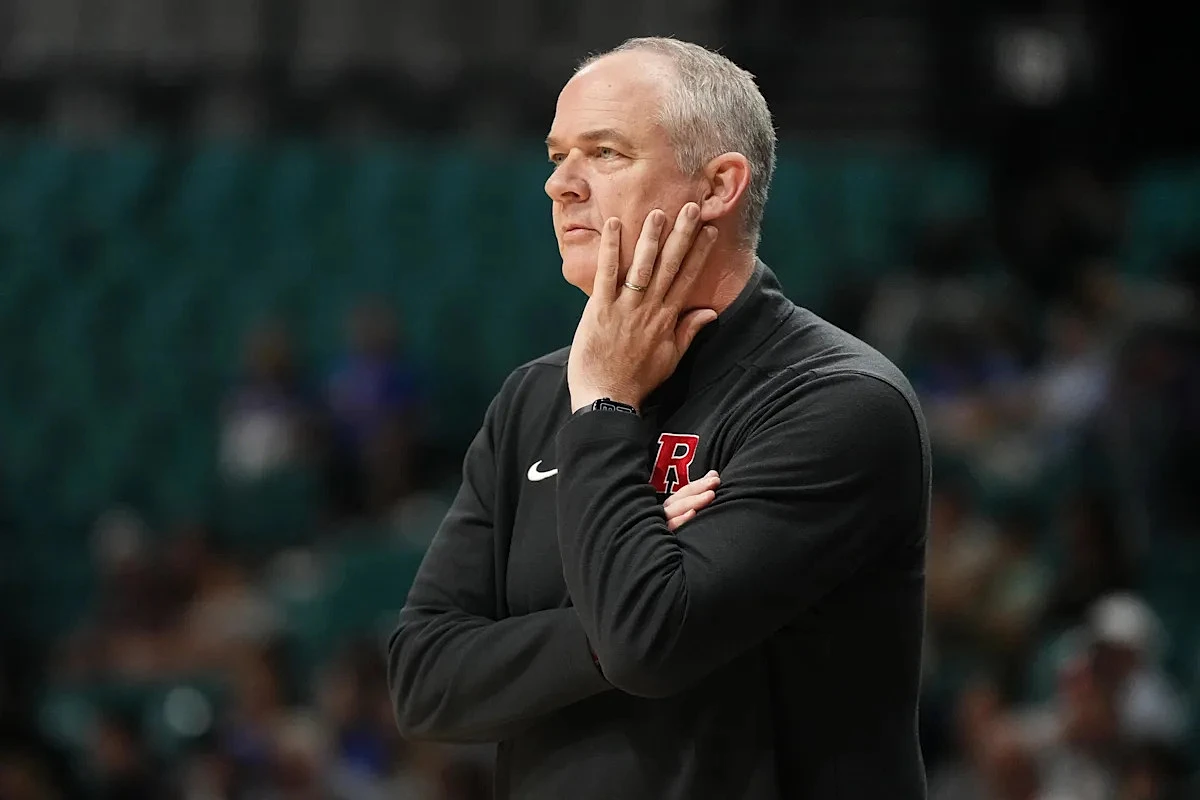
In a recent episode of his podcast, Rutgers men's basketball head coach Steve Pikiell opened up about one of the most critical—and often overlooked—aspects of modern college hoops: player retention. With the transfer portal now closed for new entries, Pikiell gave fans a behind-the-scenes look at how the Scarlet Knights are building for the future by keeping their core intact.
While the coach did touch on some key portal pickups, his main focus was on the players who chose to stay. "Our most important acquisition was Keli Zinn," Pikiell said, emphasizing that the program's ability to retain talent has been a game-changer. Thanks to strong support and resources, Rutgers was able to hold onto its foundation while also addressing needs through the portal—a balance that hasn't always been easy in recent years.
Among the retention highlights, JaMichael Davis stood out not just for his skill but for his leadership. Pikiell noted that Davis might be one of the last true four-year players the program sees for a while, making his commitment especially valuable. Tariq Francis was another key piece, with Pikiell praising his offensive firepower and clutch free-throw shooting. And Darren Buchanan Jr., described by the coach as one of the best shooters on the team, rounded out a trio of retentions that gives Rutgers a solid veteran core.
But Pikiell didn't stop with the upperclassmen. He also highlighted the importance of keeping last year's freshmen—Lino Mark and Kaden Powers—in the fold. "We invest a lot of time developing our young guys," Pikiell explained, "but in the past, those freshmen often ended up somewhere else." By retaining them, Rutgers fans will finally get to see the results of that development. Plus, these players already have a taste of Big Ten competition, having faced the conference's top teams. That experience means they're more prepared to step up and contribute right away.
For a program like Rutgers, where consistency can be hard to come by in the transfer portal era, keeping this core together is a major win. As Pikiell put it, continuity isn't just about talent—it's about building something that lasts.