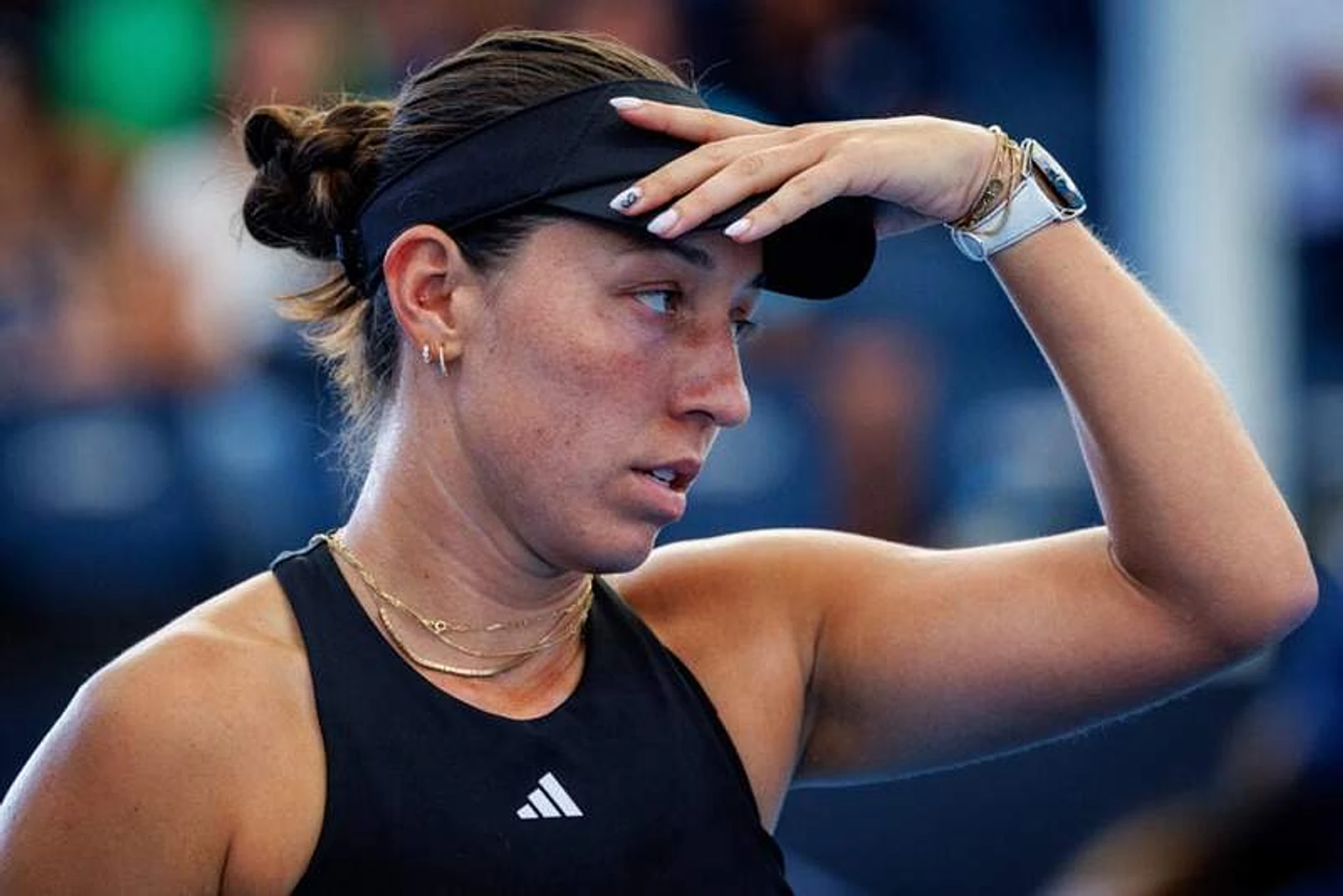
Coco Gauff and Jessica Pegula are undeniable forces in women's tennis, both firmly entrenched in the world's top 10. Pegula, currently World No. 5, has already claimed titles in Dubai and Charleston this season, while World No. 6 Gauff is knocking on the door, recently powering her way to the Miami Open final. Their individual form is strong, but a recent collective decision has raised questions about their preparation for the demanding clay-court swing.
The focus of this concern is their absence from the recent Billie Jean King Cup qualifiers. Without its star power, the U.S. team fell 3-1 to Belgium, a stark contrast to their run to the final just last year. The lineup, missing Gauff, Pegula, and Amanda Anisimova, relied heavily on younger, less experienced players. While 18-year-old Iva Jovic showed fight, the overall team struggled to find its rhythm, as captain Lindsay Davenport later acknowledged.
This choice represents a calculated risk. The grueling clay season, a critical lead-up to Roland-Garros, demands peak physical and tactical readiness. By skipping the team event, Gauff and Pegula have prioritized individual training and recovery—a common strategy for top players managing a packed calendar. However, it also means forgoing valuable match play and the unique pressure of representing their country, which can be a different kind of competitive sharpening.
As they pivot towards the European clay, the question isn't about their talent, but about their competitive seasoning. Will the extra practice time translate into a seamless transition and deep runs in Madrid, Rome, and Paris? Or will the lack of recent team competition leave them searching for that match-tough edge? Their performance in the coming weeks will reveal whether this was a masterstroke of scheduling or a missed opportunity to build momentum.