The College Sports Commission (CSC) just scored a major win in its first big test—but don't let the victory lap fool you. The new enforcement body is still navigating shaky ground in college athletics' uncharted waters.
It all went down Monday at the ACC spring meetings in Amelia Island, Florida. Just as the day's sessions wrapped up, news broke of the CSC's sweeping arbitration victory. Coincidentally, the commission's CEO, Bryan Seeley, was on-site addressing coaches and athletic directors. Around 6:30 p.m., he emerged from a hallway at the beachside resort, visibly energized.
"Today's decision shows the arbitration system works," Seeley told reporters, a grin hinting at the significance of the moment.
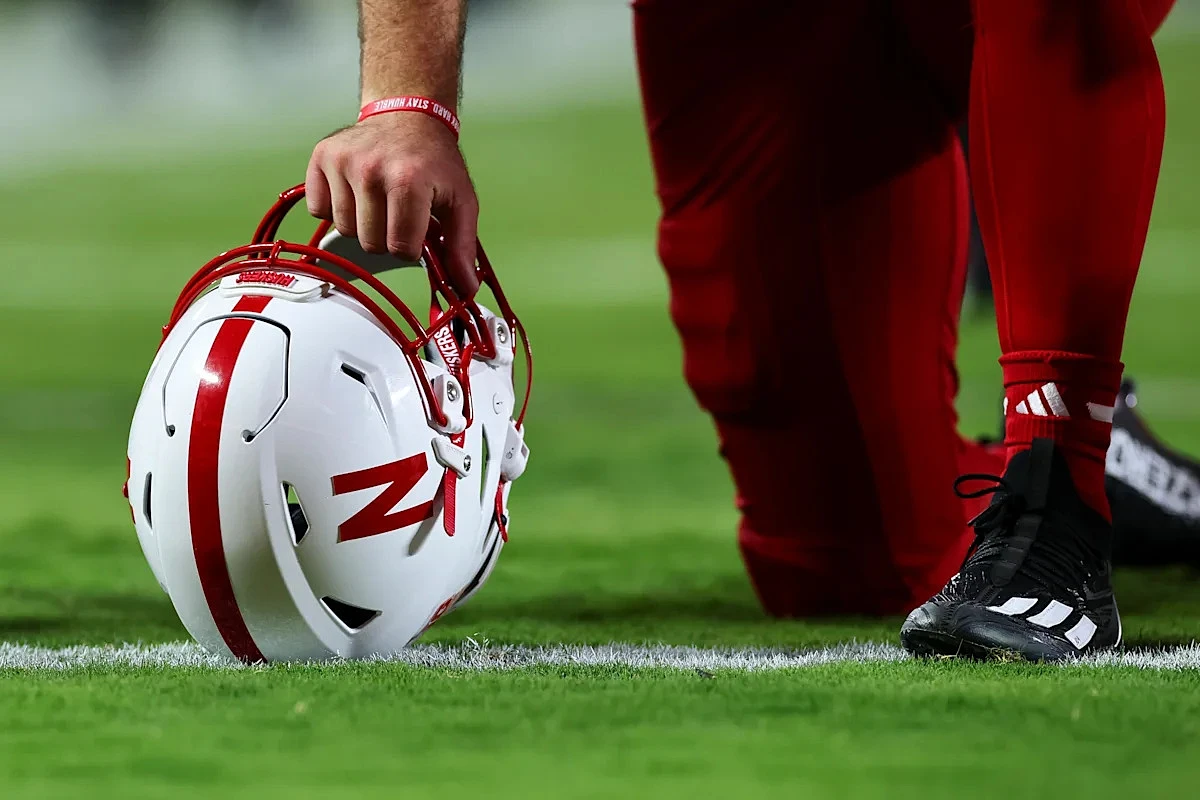
Here's the simple version: A group of 18 Nebraska football players had more than $1 million in Name, Image, and Likeness (NIL) deals rejected by the CSC. They challenged that decision in arbitration—and lost. Badly. One source who saw the full ruling called it "a beatdown."
The neutral arbitrator sided entirely with the CSC, affirming that the Nebraska deals violated terms of the landmark House settlement. That settlement, which allows schools to pay athletes within a capped system, also tightened rules around third-party NIL compensation. All such deals now require CSC approval to ensure legitimacy.
What tripped up Nebraska? According to the CSC, those deals featured high dollar amounts with no listed athlete assignments—a red flag that failed the commission's benchmarks for legitimate NIL agreements. Think of it as the sports world's version of "show your work."
For fans and athletes alike, this case marks a pivotal moment in college sports' new era. The CSC is flexing its enforcement muscle, but questions remain about how these rules will impact player earnings and school compliance. One thing's certain: the game has changed, and everyone's still learning the playbook.