The College Sports Commission (CSC) just won a major arbitration battle—but the war over the future of college athletics is far from over.
On Monday, as ACC spring meetings wrapped up on Amelia Island, Florida, the CSC scored a decisive victory in its first major test under college sports' new pay-for-play model. The ruling came down just as CSC CEO Bryan Seeley was addressing a room full of coaches and athletic directors. By 6:30 p.m., he was walking the halls of the beachside resort with a noticeable spring in his step.
"Today's decision shows the arbitration system works," Seeley told reporters.
If you're still wrapping your head around all this, you're not alone. The landscape of college athletics has shifted dramatically, with schools now allowed to directly compensate athletes—but only within strict rules laid out in the NCAA and power conferences' landmark House settlement.
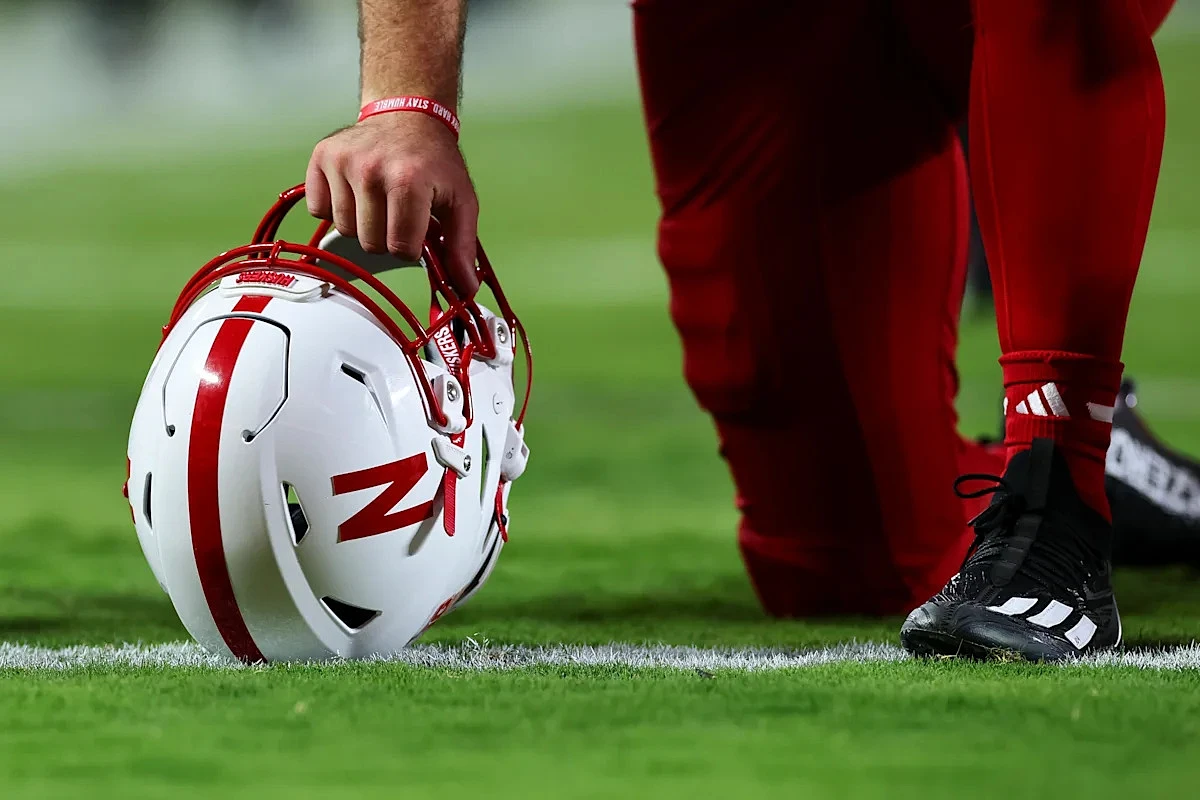
Here's what happened in plain English: Eighteen Nebraska football players had NIL deals worth over $1 million rejected by the CSC. They challenged that decision in arbitration—and lost. Big time.
One source who reviewed the full arbitration ruling described it bluntly as "a beatdown." The neutral arbitrator sided completely with the CSC, affirming that the rejected deals violated the terms of the settlement. Under the new system, schools can pay players within a capped framework, but third-party NIL deals face tighter scrutiny. All such deals must pass through the CSC, which determines whether they're legitimate.
In Nebraska's case, the CSC flagged deals with high dollar amounts and, critically, no listed athlete assignments—a red flag that made them look more like pay-for-play than genuine endorsement opportunities.
For fans and athletes alike, this is the new reality: the old Wild West of NIL is giving way to a more structured—and more contentious—system.