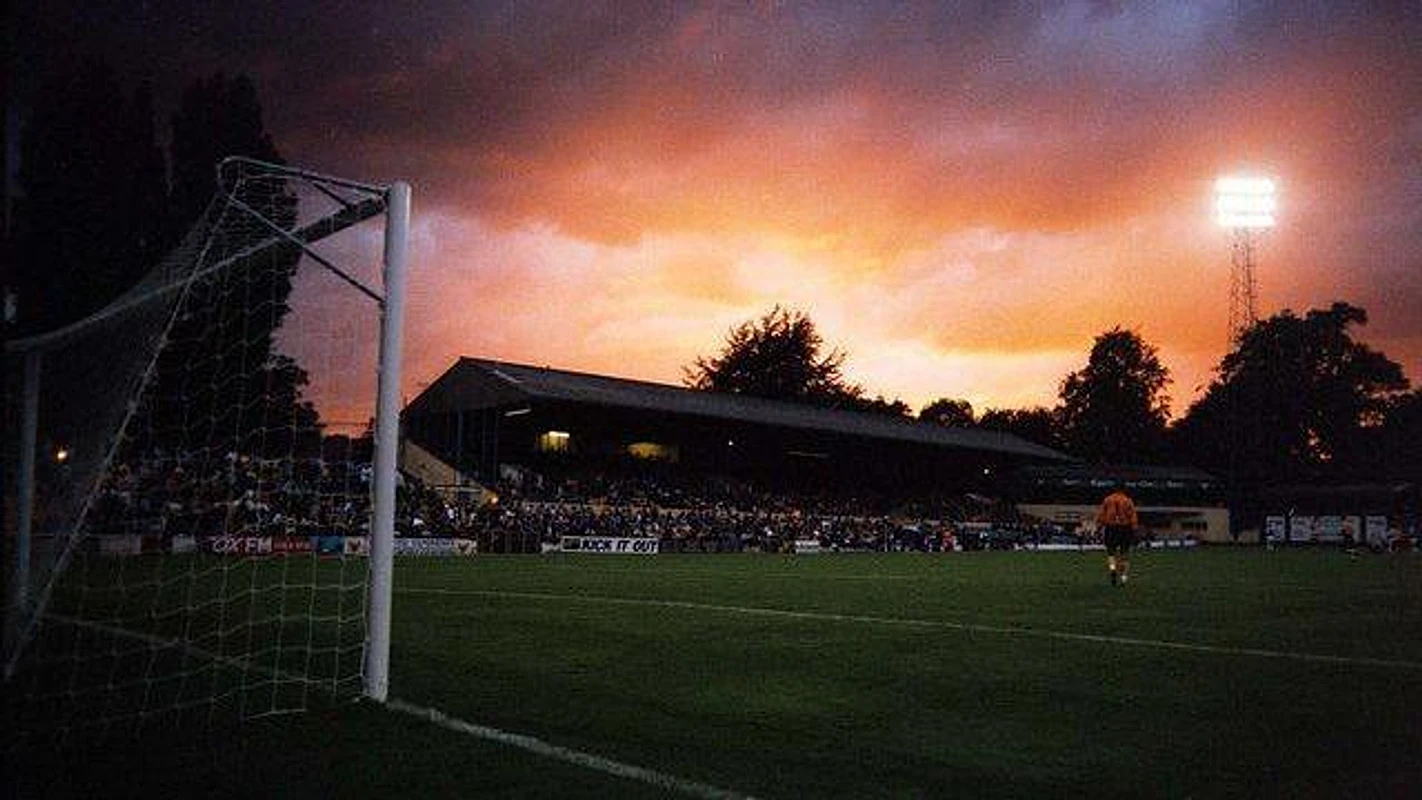
Twenty-five years have passed since the final whistle blew at Oxford United's beloved Manor Ground, but for the fans, the memories are as vivid as ever. "You just close your eyes and just remember what this ground meant to so many people in Oxford," reflects Nick Harris, a lifelong U's supporter and BBC Radio Oxford commentator.
On a May evening in 2001, the match against Port Vale might not have been a classic, but that full-time whistle marked the end of a remarkable 76-year journey. The story began back in 1925, when the club—then known as Headington United—first kicked a ball on a field next to the Bowls Club. At the time, they weren't even the biggest football team in the city. But a name change and a steady rise through the English football pyramid changed everything.
From climbing through the lower divisions to reaching the top flight, the club's crowning moment came in 1986 with a famous Milk Cup victory. At the heart of every triumph was the Manor Ground itself—a place that created an atmosphere and forged memories that still resonate a quarter-century after the team moved to the Kassam Stadium.
"It was a pilgrimage every Saturday to come here," Harris recalls, standing on the site where the ground once stood in Headington. The area is now home to a hospital, but for those who remember, the spirit of the Manor remains. "Anybody who came to the Manor, anybody who supported Oxford United for a long, long time, could stand here like I do now, close their eyes and they're there."
The ground was famously a patchwork of stands and structures—"all bits and pieces," as Harris puts it. Yet this quirky layout only added to its charm, creating an "incredible atmosphere" that visiting teams dreaded. Nestled among leafy residential streets in the Headington suburb of Oxford, the Manor was a hidden gem that defied expectations.
Legendary manager and player Ron Atkinson once recalled his first visit: "I drove down Beech Road and thought 'they can't have a football ground here, in a place like this.'" And then there was the notorious sloping pitch, which tilted down toward the London Road End. Teams like Manchester United, Newcastle, and Everton hated coming to this compact ground, where the roar of the crowd and the uneven turf made for a true fortress.
For the fans who packed the stands week after week, the Manor Ground wasn't just a stadium—it was home. And even 25 years later, a simple walk down memory lane proves that some places never truly leave you.