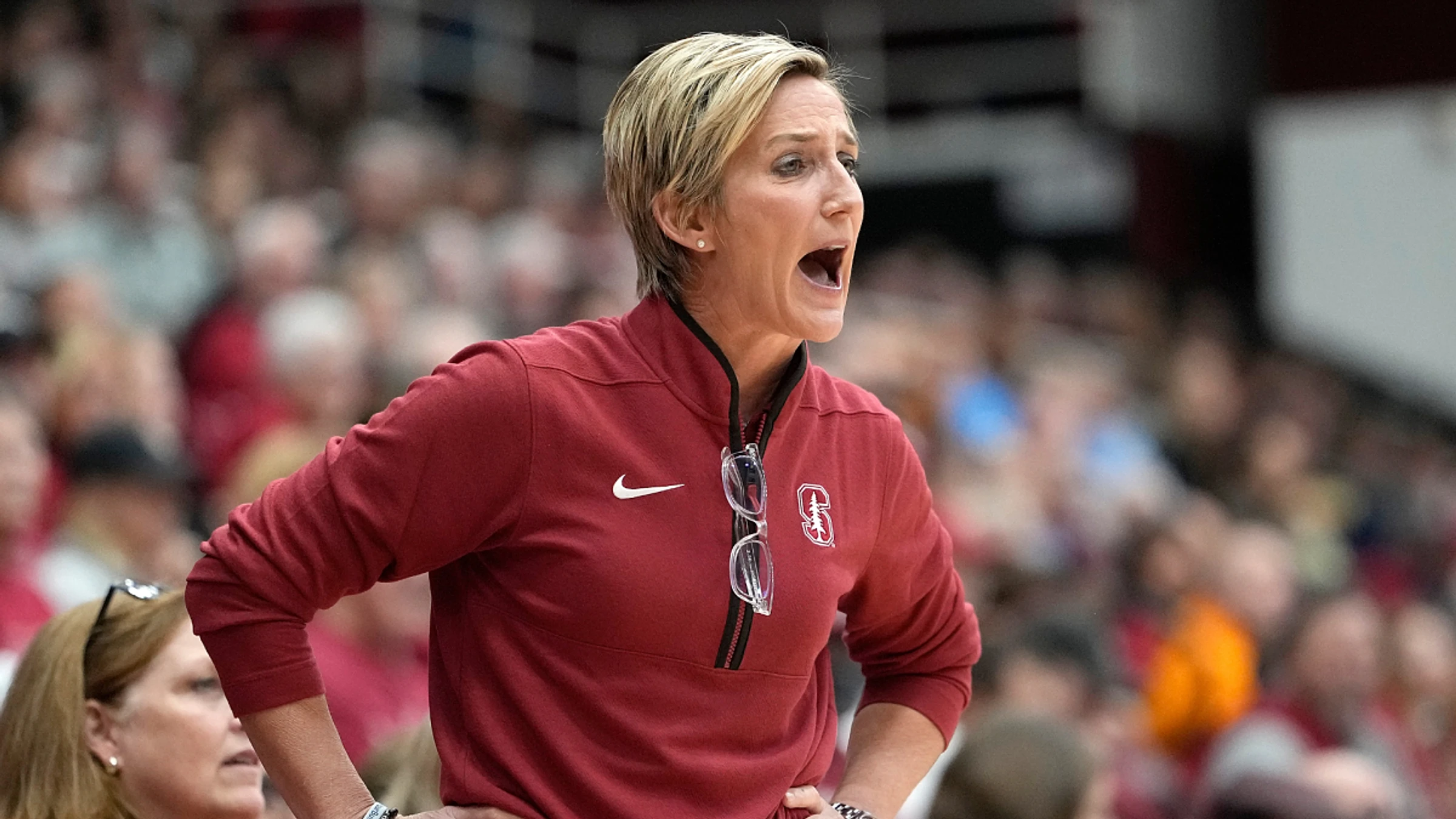
For decades, Stanford women's basketball was synonymous with excellence—a dynasty that set the gold standard for consistency and success. But just two years into the Kate Paye era, the once-storied program is facing a crisis that goes far beyond the win-loss column.
After missing the NCAA Tournament for a second straight season and watching seven players enter the transfer portal, questions are mounting about the culture inside Maples Pavilion. Parents and former players have described an environment they say has become "toxic," a stark departure from the program's golden years under legendary coach Tara VanDerveer.
"Not a great environment," one parent told The San Francisco Standard, speaking on condition of anonymity. "It's not the same program anymore."
The numbers tell a sobering story. Before this downturn, Stanford had rattled off 36 consecutive NCAA Tournament appearances—the second-longest streak in women's basketball history. Under VanDerveer's 38-year reign, the Cardinal reached 14 Final Fours and brought home three national championships (1990, 1992, and 2021). This season, Stanford didn't crack the AP Top 25 for the first time in 30 years, a stunning fall from grace for a program that once set the bar.
Context matters here. The transition from the Pac-12 to the ACC in 2024 coincided with VanDerveer's retirement and star forward Cameron Brink's departure to the WNBA. Rebuilding after such seismic shifts is never easy, but insiders say the issues run deeper than growing pains.
Two former players, who also requested anonymity, painted a troubling picture of Paye's leadership. They described "distressing team meetings" where the coach allegedly threatened to bench players—a common motivational tactic—but also crossed lines by telling athletes they were "too weak" to play for the program. More alarmingly, Paye is accused of threatening to pull scholarships or withhold graduate school recommendations as punishment.
Players who fall out of favor reportedly feel "iced out" during practices, with the report alleging a "culture of retribution" for those who speak up about unfair treatment. The coach is also said to be pushing a rule that would prevent student-athletes from taking heavier course loads or summer classes, effectively blocking early graduation.
For a program that once defined stability and success, these allegations mark a troubling new chapter. The question now is whether Paye can restore the culture that made Stanford a destination—or if the exodus is just beginning.