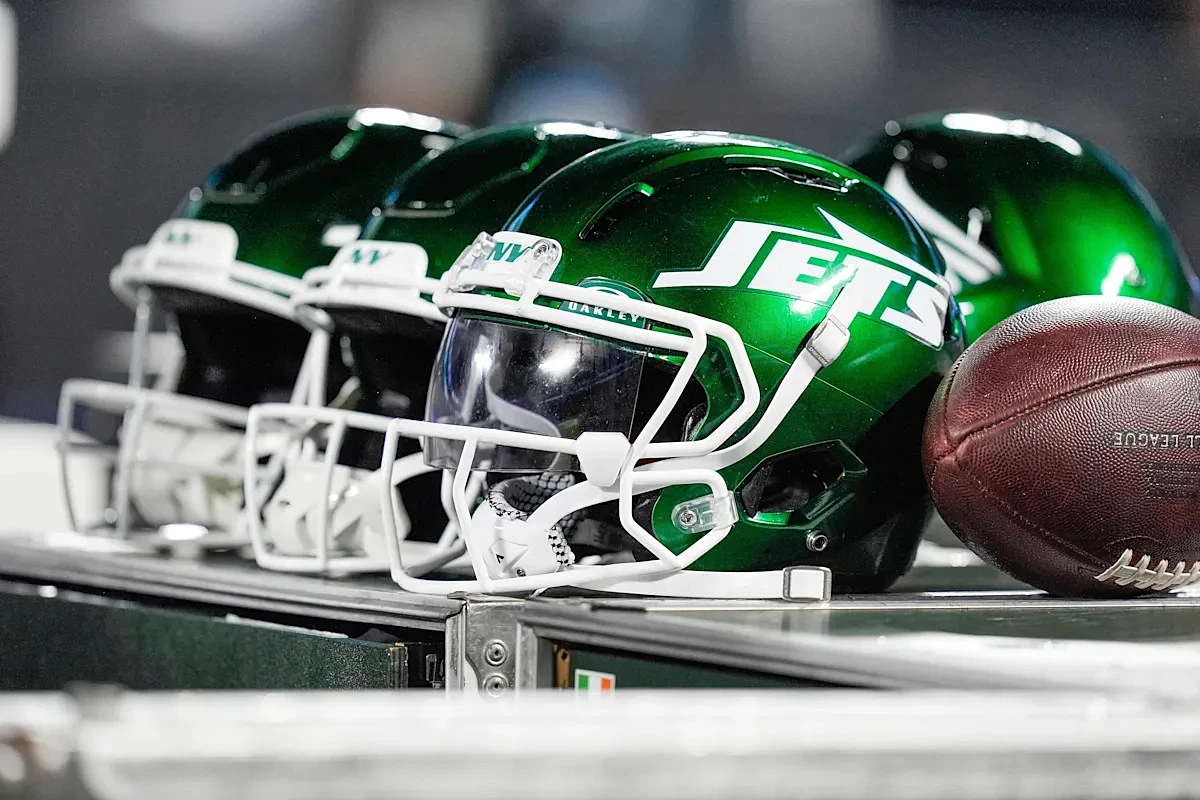


The 2026 NFL Draft is history and the New York Jets addressed plenty of areas that needed help as Aaron Glenn gets ready for his second season as the head coach. They were aggressive when they needed to be with their picks and took some calculated risks that only time will tell whether they work out for GM Darren Mougey and Glenn.
Let's meet the 2026 New York Jets draft class and give our grade for each selection as the organization turns the page and gets ready for the start of organized team activities next month.
The Jets took a very curious strategy with Bailey as they cancelled their Top 30 visit with him a few weeks before the draft. Most analysts believed they would select Arvell Reese when news broke of the cancelled visit with Bailey. But, it was nothing more than a smoke screen as the Jets selected Bailey, who will be a Week 1 starter for a defense that struggled getting after the quarterback.
Bailey played three seasons at Stanford and saw his numbers improve each year before transferring to Texas Tech. He led all defensive ends with 73 pressures and finished with 13 sacks. He'll need to improve against the run but Bailey still finished last year with an overall PFF grade of 92.4, ranking him fifth out of 852 edge rushers. Pairing him with Will McDonald should give the Jets plenty of speed on the ends and greatly improve a pass rush that ranked 31st in the league in sacks last year.
In a recent Jets Wire mock draft, I had the Jets taking Sadiq with this pick. Even though I predicted the pick, I was still shocked the Jets took the Oregon tight end and passed on USC wide receiver Makai Lemon, who was still available.
Sadiq is an athletic freak who had a breakout year with the Ducks last year (eight touchdowns on 42 receptions). He ran a 4.36 40-yard dash and generated over 200 yards after the catch. Frank Reich can line Sadiq up as a slot receiver in certain formations as well as on the line where his blocking will need to improve. The Jets are loaded at tight end with Sadiq, Mason Taylor and Jeremy Ruckert. Sadiq will be a matchup nightmare for opposing defenses.
After adding Sadiq, the Jets trade back into the first-round with the 49ers to select Cooper, a player who many had mocked to them at #16. Cooper thrived with Fernando Mendoza as his quarterback finishing with 804 receiving yards and 11 touchdowns for the national champion Indiana Hoosiers. He generated 414 yards after the catch and can be lined up not only on the outside, but in the slot as well.
The Jets have built a wide receiver group with terrific speed in Garrett Wilson, Sadiq, Adonai Mitchell and Cooper Jr., who ran a 4.42 40-yard dash during the NFL combine. They'll be able to stretch the field and take more shots downfield as the Jets look to improve on one of the worst passing offenses in history last season.
Ponds doesn't offer much in size (5'9", 170 lbs.), but he's a tough, physical corner who can frustrate receivers with his style of play. Ponds only had one interception for the Hoosiers last year, but finished with a PFF coverage grade of 89.7, ranking him seventh out of 897 cornerbacks. Opposing quarterbacks had a passer rating of 42 against him, which is very impressive. He has the ability to lockdown one side of the field and should compete for a starting spot immediately.
The Jets didn't have a third-round pick due to the Hassan Reddick trade and they used the first of their fourth-round picks on Jackson Jr, who has put out some solid tape, but is not ready to take on a big role right out of the gate. He transferred to Florida State after two seasons at Miami and had seven sacks in his final two years with the Seminoles. He has plenty of size (6'5", 337 lbs.) and grades out better against the run than as a pass rusher. We'll have to see at a later time if this was the right decision, but it feels like a reach with an early fourth-round pick when the Jets could have drafted a Safety and Linebacker, two areas with greater needs.
The Jets traded their remaining fourth-round picks to move up and grab their developmental quarterback in Klubnik in a bit of a surprising move. It was a tale of two seasons for Klubnik. In 2024, he threw for over 3,600 yards and 36 touchdowns. He also added seven rushing touchdowns that season. He opted to stay at Clemson for his senior year and his numbers took a massive hit.
Klubnik threw for under 3,000 yards and only 16 touchdowns. He did play injured last season and the Tigers were not as talented of a team as previous years. But, he has size (6'2", 210 lbs.), has plenty of arm strength and can keep a play alive with his legs. He has potential to be a solid backup in the future. But, I'm not sure I would have traded my other two picks in this round for a quarterback that no one was expecting to be drafted this high and will most likely not play a role in the team's offense this season.
The Jets traded into the sixth-round to select Cooper, who is a massive individual at 6'6", 350 lbs. He didn't allow a sack in 817 offensive snaps played last year and allowed only eight pressures. He had issues with penalties, getting flagged six times, and he'll need to clean that up. While Cooper lined up mostly at right guard, he also lined up nine times as a tight end, so there is potential for a little creativity in the Jets offense, especially in the red-zone. This is a low-risk, high reward selection as the Jets add depth to their offensive line.
For their final pick, the Jets address the safety position with Payne, who is 6'3" and 208 lbs. He had one interception last season with the Wildcats and three pass breakups. He had 54 tackles in coverage and opposing quarterbacks had a combined passer rating of 57.4. He's got plenty of speed (4.4 40-yard dash time) and his coverage skills are good. He may not challenge for a spot in the Jets secondary right away, but could contribute on special teams.
The Jets addressed plenty of areas on the roster starting with their three picks in the first round. Bailey will improve the team's pass rush almost immediately while Sadiq and Cooper Jr. should give Geno Smith plenty of options in the pass game. Ponds is going to frustrate plenty of receivers with his physical style of play and reminds everyone of Aaron Glenn when he played for the Jets.
The Day 3 picks are a little concerning as I thought the Jets needed to select players who can contribute immediately and the decision to trade up 18 spots in the fourth round for Klubnik is a head-scratcher. That type of move makes you believe that they see Klubnik as the primary backup to Smith should he get injured.
Overall, there's plenty to like about the Jets draft, especially on offense where Geno and the team's future franchise quarterback will have plenty of weapons to work with.
This article originally appeared on Jets Wire: Report card: 2026 New York Jets Draft class