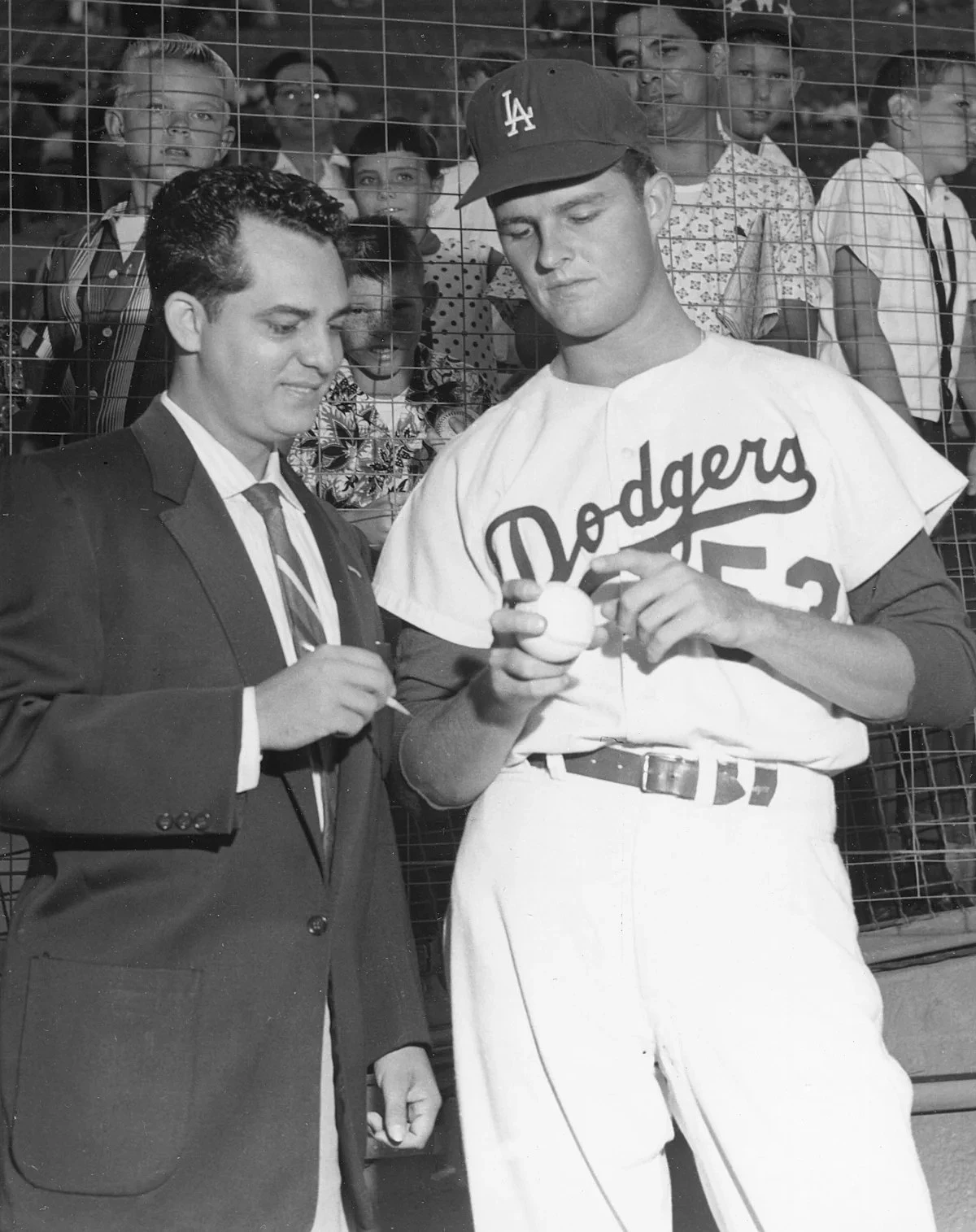
René Cárdenas, a true pioneer of baseball broadcasting who brought the game to Spanish-speaking fans across generations, passed away on Sunday at the age of 96. His legacy is woven into the fabric of Major League Baseball history.
When the Dodgers moved west to Los Angeles in 1958, Cárdenas stepped behind the microphone and made history as the first full-time Spanish-language play-by-play announcer in MLB. His voice became a bridge, connecting a growing community to America's pastime. He later mentored the legendary Jaime Jarrín, who joined him in the booth in 1959 and would go on to become a Hall of Fame broadcaster himself.
Cárdenas's career spanned decades and multiple teams. After four seasons with the Dodgers, he moved to the expansion Houston Colt .45s (later the Astros) in 1962, calling games for 14 seasons. He also spent a year with the Texas Rangers before returning to Los Angeles for a second stint from 1982 to 1998—ultimately spending 21 memorable years behind the mic for the Dodgers.
Born in Managua, Nicaragua, in 1930, Cárdenas brought a rich sports background to the booth, having covered everything from baseball to boxing. His talents extended far beyond the diamond: he called the famous Muhammad Ali-Jimmy Ellis heavyweight championship fight at the Astrodome in 1971, one of the most iconic events in sports history.
"Rene was a true pioneer in our industry," said Jarrín, the legendary Spanish voice of the Dodgers. "He played a predominant role in my start as a baseball broadcaster. I learned a lot from him."
Cárdenas's contributions were recognized late in his career. He was inducted into the Astros Hall of Fame in 2024 and was a finalist for the prestigious Ford C. Frick Award—the Hall of Fame's highest honor for broadcasters—multiple times, including as recently as last year. Though Cooperstown never called his name, his impact on the game and its fans is immeasurable.
In the world of sports apparel, we often celebrate the players on the field. But men like René Cárdenas—who gave a voice to the game and made it accessible to millions—are just as essential to baseball's enduring legacy. Rest in peace, Chelito.