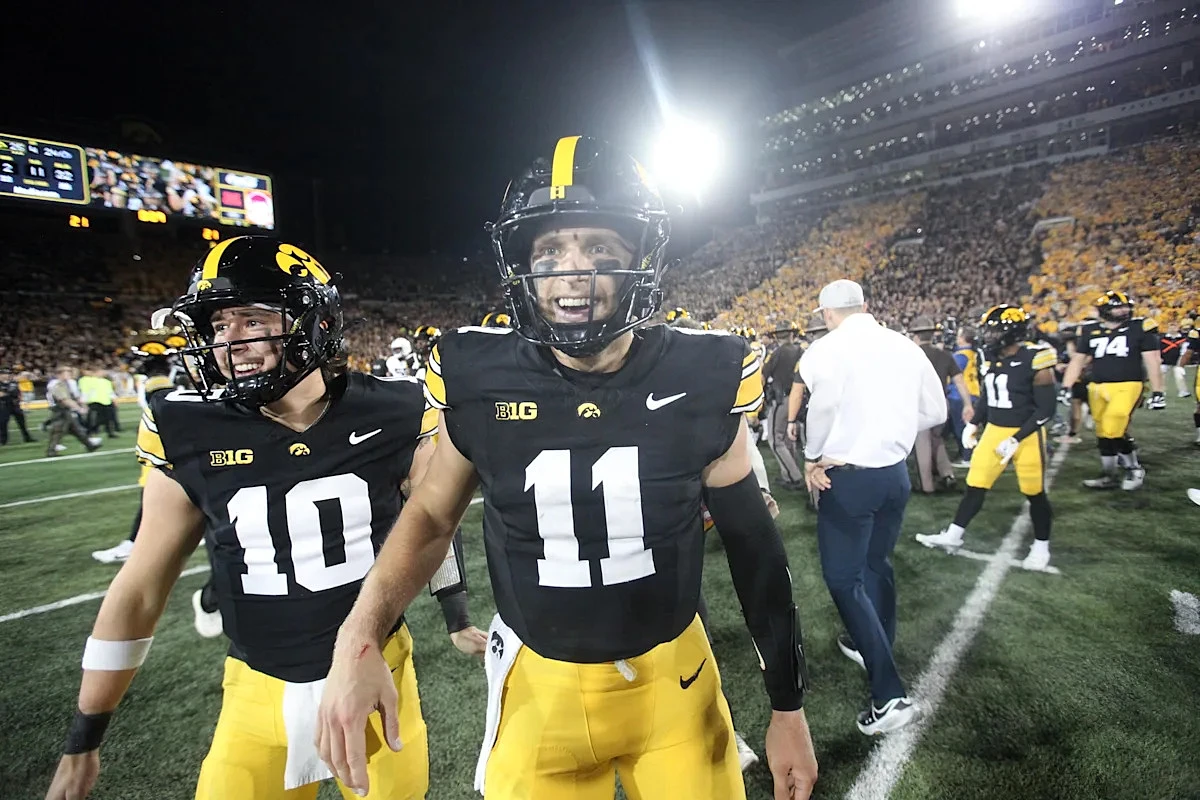
It was the kind of night that turns a season—and a player—into legend. Mark Gronowski arrived in Iowa City with little fanfare, a transfer quarterback whose time in a Hawkeye uniform would be brief. But on a crisp, sold-out Saturday under the Kinnick Stadium lights, he wrote a legacy that will echo through the stands for generations.
The stage was set perfectly. Iowa entered at 4-2, fresh off a tough road loss at Indiana, their Big Ten record teetering at 2-1. The season hung in the balance—could this be the year, or would it be another "here we go again"? Across the field stood Penn State, a team still carrying the weight of a preseason Top 25 ranking and the reputation of having "the best roster in a decade." But the Nittany Lions were wounded: a three-game losing streak had cost head coach James Franklin his job, and backup quarterback Ethan Grunkemeyer was under center in place of the injured Drew Allar. They came to Iowa City at 3-3, desperate and dangerous.
Kinnick Stadium was electric. 69,250 fans packed in for a primetime showdown, and Iowa had been unbeaten in night games all year. Nobody—not the broadcast crew, not the analytics models, not the fans clutching their hot chocolates in the south end zone—had any idea they were about to witness the Mark Gronowski Game.
The opening act was a tense chess match. Penn State struck first with a 39-yard field goal from Ryan Barker. Iowa answered with a 39-yarder of their own from Drew Stevens, then seized control when Gronowski powered in from one yard out to make it 10-3. But football can be cruel, and the Hawkeyes learned that lesson in the most painful way imaginable. With seconds left in the second quarter, Kirk Ferentz made a bold call: a 66-yard field goal attempt. On a perfect day, Stevens might have had the leg—but he never got the chance. Penn State's Xavier Gilliam burst through the line, blocked the kick, and Elliott Washington II scooped it up, sprinting 35 yards for a touchdown as the half expired. Just like that, it was 14-10 Penn State.
The stadium fell silent for a moment, then roared back to life. This was the chaos that makes college football unforgettable. And it was about to become the moment that defined a legacy.