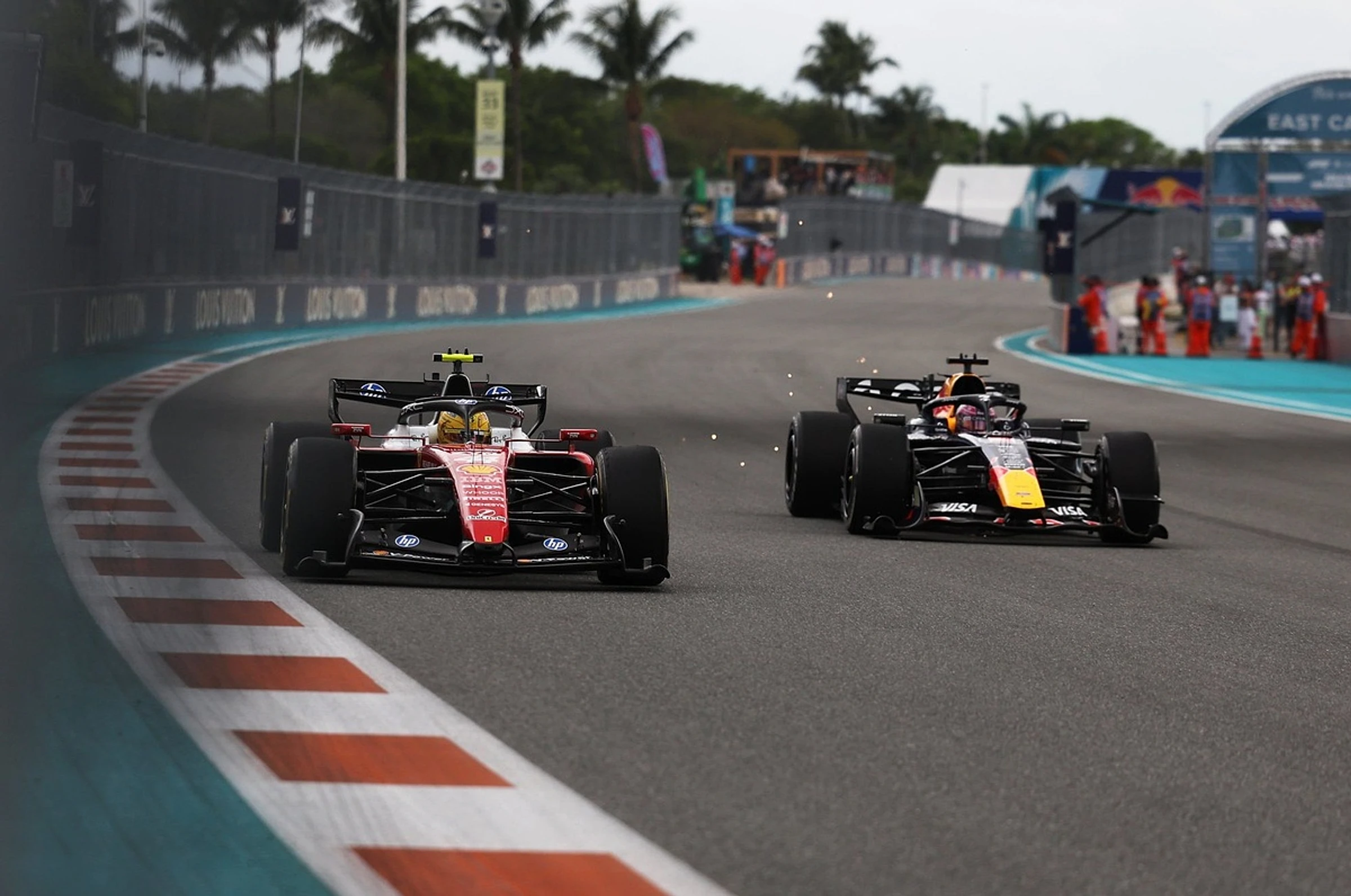
The Miami Grand Prix delivered a dramatic shake-up in the Formula 1 pecking order, proving that a five-week break can change everything. While Kimi Antonelli secured his second consecutive win—matching his victory in Japan—the real story lies beneath the surface. A wave of major upgrades and subtle regulatory tweaks may have permanently reshuffled the competitive landscape.
Let's start with the numbers. Through the first three races of 2026, Mercedes was the undisputed powerhouse. In qualifying, they held a commanding 0.56-second advantage over their nearest rival. Their race pace was even more dominant, outpacing the field by 0.53 seconds per lap. But in Miami, that edge evaporated. Antonelli's pole lap was only 0.35 seconds ahead, and in the race, Mercedes barely edged McLaren by a razor-thin 0.02 seconds per lap. Compared to the season's start, Mercedes lost roughly two-tenths of a second in single-lap performance and over half a second in race pace.
So, what happened? The most obvious factor is that while rivals packed their suitcases with upgrades, Mercedes played it cool. The Silver Arrows brought only two minor tweaks to Miami: a rear-end optimization to reduce drag and an update to the front brake cooling. Meanwhile, Ferrari introduced a massive 11 new components, while both Red Bull and McLaren each brought seven visible upgrades. The results speak for themselves—Red Bull made clear gains, while Ferrari's ambitious overhaul seems to have fallen flat.
But upgrades alone don't tell the whole story. Two other factors are at play: track characteristics and regulatory adjustments. Miami has historically been a tough venue for Mercedes. The team didn't even score a podium there until 2025, and historical data shows they are typically 0.22 seconds per lap slower in Miami compared to their season average. That's a significant headwind for any team.
As for the regulatory changes introduced over the break, insiders say they aren't the game-changer. McLaren team principal Andrea Stella put it best: "Already in Japan, I think we have made progress. And here we consolidated this progress. And this progress doesn't have to do with the changes, they are just a better way of working." In other words, the gains came from smarter engineering, not rulebook tweaks.
With Mercedes planning a larger upgrade package for the upcoming race in Canada, the stage is set for a fascinating battle. Will the Silver Arrows reclaim their dominance, or have Red Bull and McLaren truly closed the gap? Stay tuned—this season is just getting started.