Baseball fans, we're witnessing something truly special on the North Side. The Cubs are rewriting history with two separate 10-game winning streaks and a 15-game home winning streak that stretches into late May—feats not accomplished since 1935. When a franchise with 150 years of tradition starts doing things that haven't been seen in 90 years, you know magic might be in the air.
But while Chicago is basking in glory, storm clouds are gathering over Major League Baseball. This week, the MLB Players Association and MLB owners presented their opening proposals for the upcoming Collective Bargaining Agreement negotiations—and the early signs point to a potential collision course that could shake the sport to its core.
Let's step back from the headlines for a moment. The initial meeting was predictably uneventful, as these things often are. But as we launch into what will be a periodic series here called "Reading the CBA Leaves," we're going to look beyond the day's news to understand the deeper currents shaping this battle. Sometimes that means revisiting key moments from the past year, and other times it means exploring under-the-radar stories or historical context from previous negotiations.
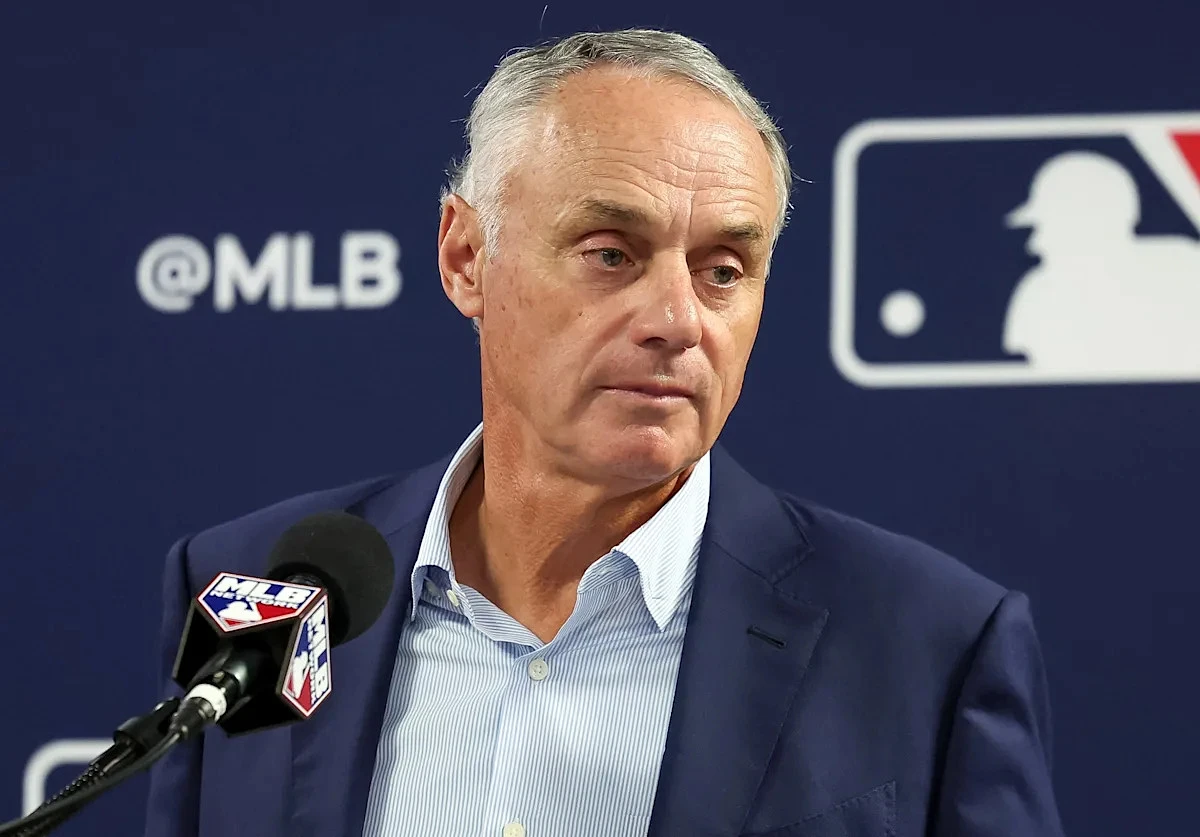
One story that's been rattling around in my mind involves Commissioner Rob Manfred's preferred strategy: "to get directly to the players." That phrase comes from a revealing interview he gave last summer, captured in Evan Drellich's reporting. Manfred has made no secret of his desire for major economic changes—including, potentially, a salary cap—and he believes the path to achieving that runs through the players themselves, not their union leadership.
"I don't think the leadership of this union is anxious to lead the way to change," Manfred said. "So we need to energize the workforce in order to get them familiar with or supportive of the idea that maybe change in the system could be good for everybody."
It's a curious approach, and one that raises questions about how the next round of bargaining will play out. As we watch the Cubs make history on the field, the behind-the-scenes drama could be just as compelling—and far more consequential for the future of the game.