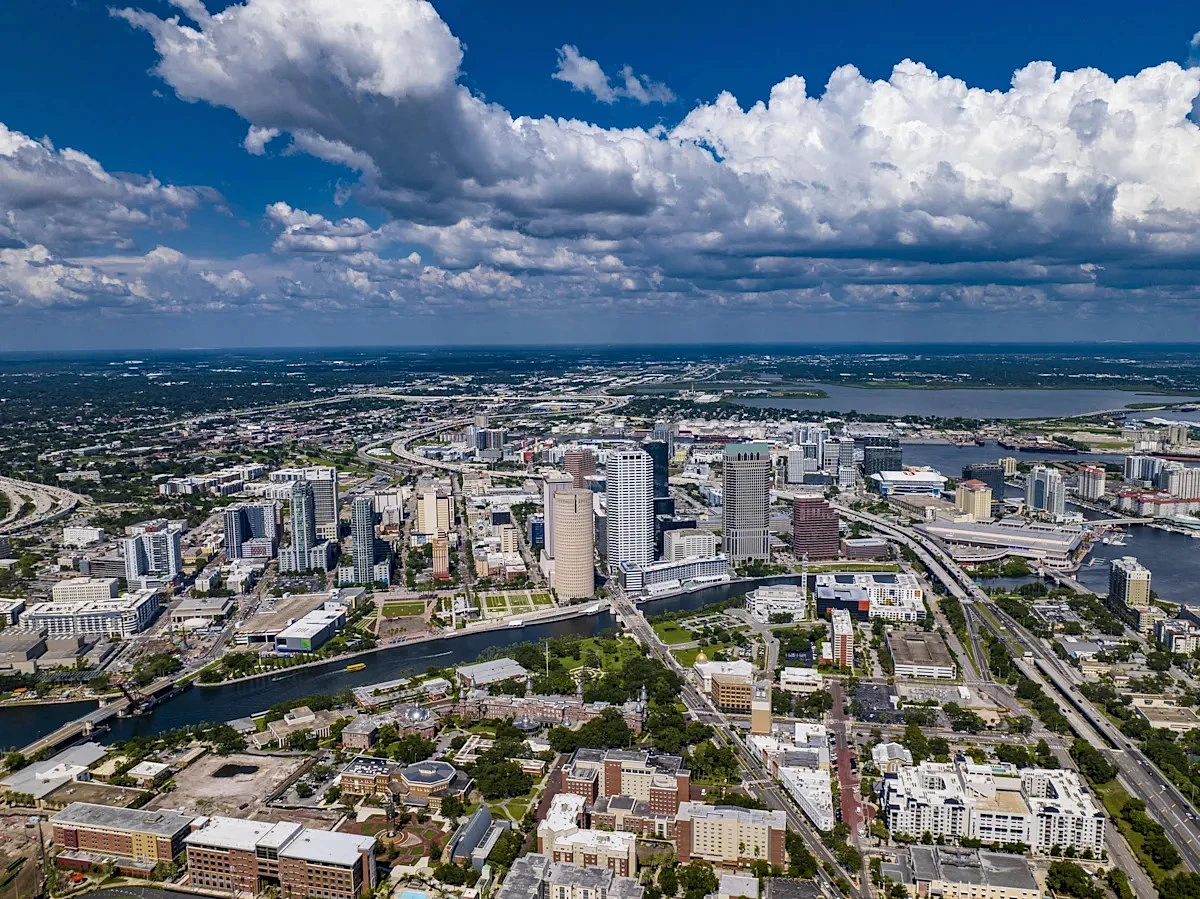
The Tampa Bay Rays are one step closer to calling a new stadium home, as the Tampa City Council and Hillsborough County Commission prepare to vote on a critical Memorandum of Understanding (MOU). This agreement would pave the way for a state-of-the-art baseball stadium on the current site of Hillsborough College—a move that could reshape the region's sports landscape for decades to come.
For fans eager to see the Rays settle into a permanent home, the details matter. The full MOU is available through the Tampa Bay Times, but we've broken down the key highlights here, including several changes from an earlier draft that address concerns raised by local officials.
Public Funding Gets a Trim
The biggest headline? The guaranteed public investment has dropped from the original $1.1 billion to $976 million. The city's portion will come from bonds repaid through future Community Investment Tax (CIT) proceeds and revenue generated by the Drew Park Community Redevelopment Area (CRA), where rising property taxes are captured via Tax Increment Financing (TIF).
Ownership and Tax Implications
Under the MOU, Hillsborough County will own both the stadium and the land it sits on—meaning they won't be subject to property taxes. However, the remaining land not used for the redeveloped college campus will be privately owned and taxable, a detail that wasn't clear in the earlier draft. This is a significant shift, as it ensures some tax revenue from the larger site.
The Bigger Picture: Mixed-Use Development
Here's where the plan gets interesting—and a bit uncertain. The MOU says very little about the larger mixed-use development that many officials see as the real prize. The stadium is supposed to anchor a vibrant new commercial and residential hub, generating long-term tax revenue. But the MOU guarantees no such development, and realistically, any construction is years away. For those following the saga, this is the classic stadium debate: public investment now, private payoff later.
A Safety Net for Taxpayers
One of the biggest concerns from council members was what happens if CRA income doesn't grow as expected or CIT collections fall short. Would the city have to dip into general revenues to cover bond payments? The Rays have stepped up here, agreeing to make the city whole on any debt service payments. The team would then be reimbursed when—or if—tax collections eventually increase. It's a creative solution that shifts some risk away from taxpayers, though it's not a full guarantee.
For Rays fans and Tampa sports enthusiasts, this is a pivotal moment. A new stadium could mean more than just a modern ballpark—it could signal a new era for the franchise and the community. Stay tuned as the votes unfold, and in the meantime, gear up for the season with the latest Rays apparel and accessories. Whether you're watching from the stands or from home, show your support in style.