The Los Angeles Rams entered this NFL offseason brimming with optimism. With Matthew Stafford locked in for one more season and the team coming off a near-miss Super Bowl run, they looked like legitimate title contenders. Fast forward past the draft, and that excitement remains—but there's a noticeable shift in the air.
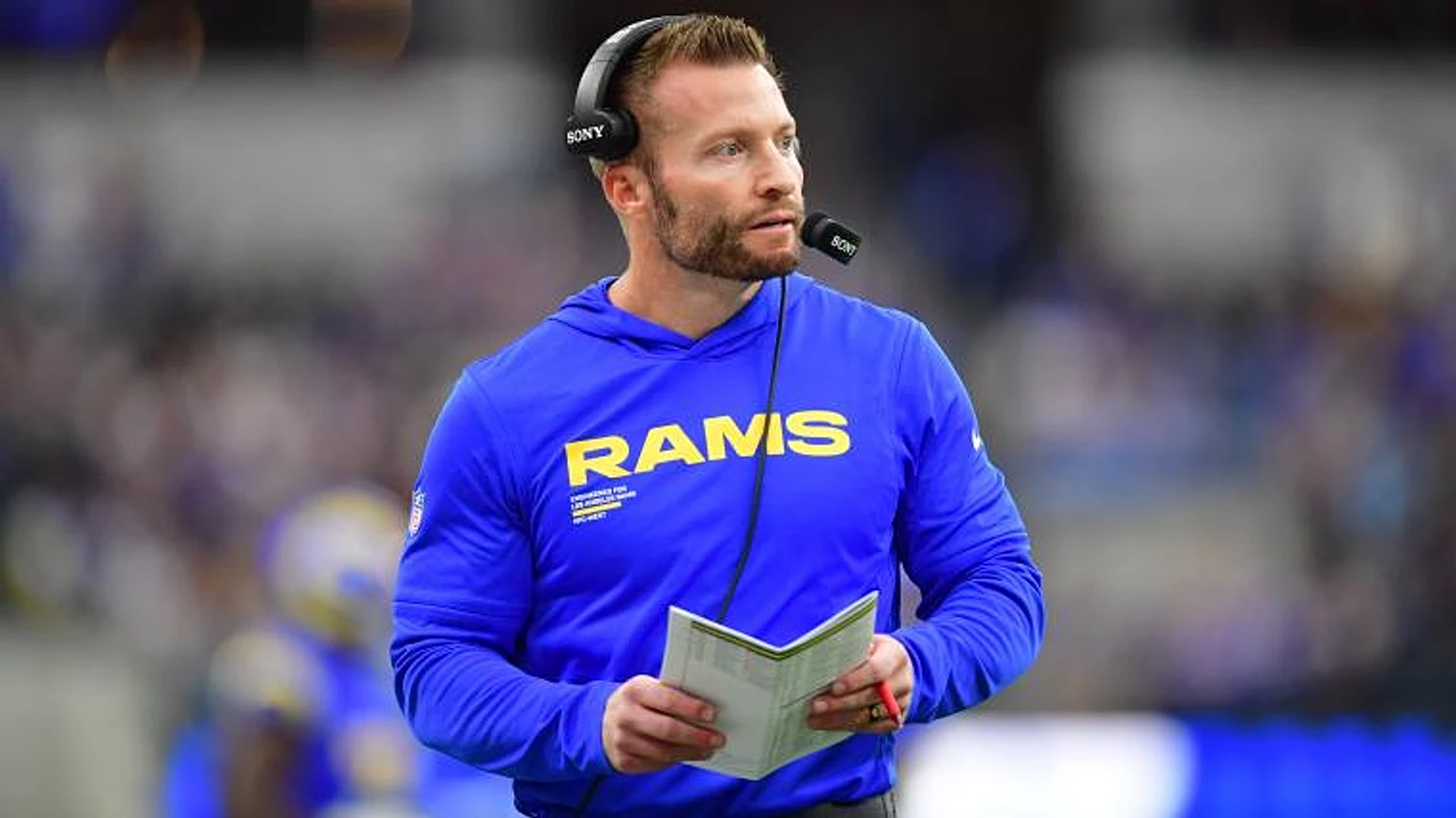
Bleacher Report's Gary Davenport recently projected the Rams' starting offense, and it spotlights a glaring weakness that falls squarely on the shoulders of head coach Sean McVay and general manager Les Snead. The projected lineup reads: "WR: Puka Nacua, Davante Adams, Jordan Whittington." While that's a formidable top duo, the WR3 spot is a clear hole—one that could have been addressed but wasn't.
Here's the issue: Both Nacua and Adams are set to hit free agency after the 2026 season. The Rams knew they needed to add a third receiver for depth and future security, especially with Adams already mentioned in trade talks this offseason. Yet, despite this obvious need, the Rams used their No. 13 pick in the 2026 NFL Draft on a developmental backup quarterback, Ty Simpson. Meanwhile, USC's Makai Lemon—a Biletnikoff Award winner—was still on the board. Taking a QB for depth instead of a proven playmaker at a position of need is a move that raises eyebrows.
And it didn't stop there. In the second round, with receiver options thinning, the Rams selected another tight end—Ohio State's Max Klare—adding a fifth notable option to an already crowded position group. For a team built to win now, these draft decisions feel like missed opportunities, leaving a hole in the receiving corps that could haunt them down the stretch.
For Rams fans, the pieces are there for a championship run. But this roster gap—created by McVay and Snead's draft strategy—is a reminder that even contenders need to keep their playmaker pipeline full.