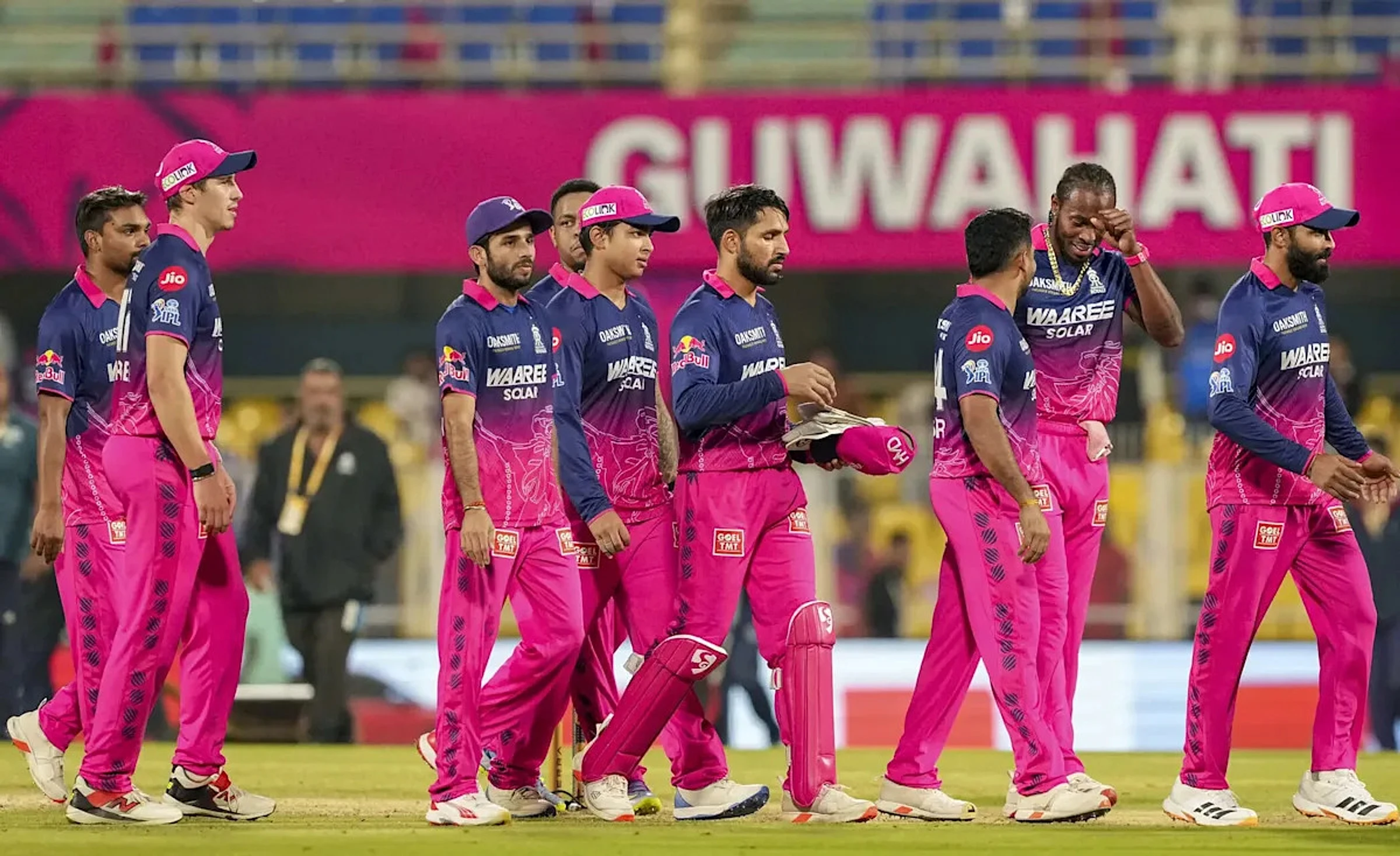
In the high-octane world of the IPL, where explosive starts are the norm, the Rajasthan Royals suffered a collapse of historic proportions against the Sunrisers Hyderabad. Chasing a formidable target of 217, the Royals' innings disintegrated in a manner that rewrote the record books for all the wrong reasons.
The nightmare began at the very top of the order. The Royals' first four batters—Yashasvi Jaiswal, Vaibhav Sooryavanshi, Dhruv Jurel, and Lhuan-dre Pretorius—could muster only a single run between them, the lowest combined total for a top four in the tournament's history. Jaiswal's solitary run was the only resistance before the floodgates opened.
The speed of the collapse was breathtaking. The team lost its first four wickets in a mere 10 deliveries, and its first five in just 18 balls, setting new and unwanted IPL records for the fastest such collapses. The previous benchmarks, held since 2011, were shattered in a chaotic few minutes of play.
Spearheading the demolition was debutant pacer Praful Hinge, who announced his arrival in the most dramatic fashion possible. Hinge etched his name into IPL folklore by taking three wickets in the very first over of the innings, a feat never before accomplished. His devastating spell, which ended with figures of 4/34, left the Royals' dugout in stunned silence.
He was ably supported by fellow debutant Sakib Hussain, whose left-arm pace yielded figures of 4/24 and ensured there was no recovery. The Royals found themselves at a catastrophic 9 for 5, a scoreline that seemed unthinkable for a team of their caliber. In a telling statistic, all ten Rajasthan wickets fell to pace bowling, a rare occurrence that highlighted the perfect storm of aggressive bowling and fragile batting.
A late fightback from Donovan Ferreira and Ravindra Jadeja, who added a commendable 118-run partnership, pushed the total to 159, but the match was long since lost. The damage from that catastrophic start, against an SRH total of 216/6, was simply insurmountable. It was a stark reminder that in the fast-paced IPL, a single over can define an entire match—and in this case, make unwanted history.