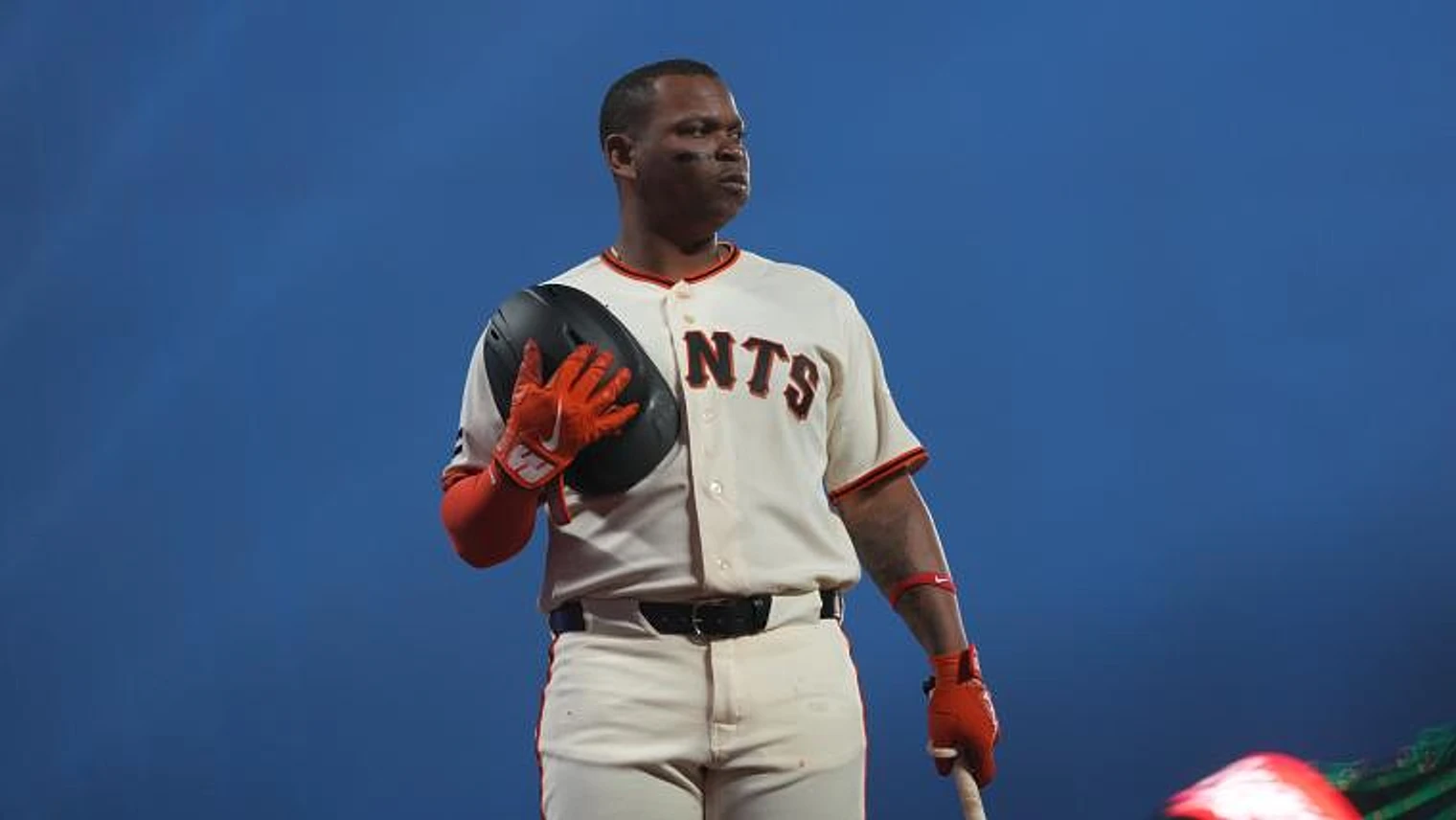
When the San Francisco Giants pulled off a blockbuster trade for Rafael Devers last June, they envisioned a game-changing bat in the heart of their lineup—a proven, consistent hitter ready to thrive in a new environment. The price tag was steep, with over $31 million per season owed to the 29-year-old through 2033. But the Giants believed they were getting a cornerstone for their championship aspirations.
Fast forward to the 2026 season, and those big plans have hit a serious snag. Through the first 23 games, Devers has posted a minus-0.8 WAR—the second-worst mark in the league. His frustrations boiled over during an 8-3 loss to the Cincinnati Reds on April 15, when he snapped his bat in half after another tough at-bat.
The root of the problem? A troubling decline in bat speed that's turning once-hittable pitches into whiffs. Four seasons ago with the Boston Red Sox, Devers averaged 73.4 mph on his swings. That number has steadily dropped: 72.5 mph the following year, 71.6 mph in 2025, and now just 71.2 mph in the early going of 2026.
The results are stark. Devers is striking out at a career-worst 30.8 percent rate through 29 games. Even more alarming? Against fastballs in the heart of the zone—pitches he used to feast on—he's hitting just .267 with a staggering 46.7 percent strikeout rate. For context, over his first nine seasons as a three-time All-Star, he batted .342 with a 19.7 percent whiff rate on those same pitches.
With Devers struggling to catch up, the Giants' offense has sputtered. They rank dead last in the majors with just 104 runs scored. In a recent 5-1 loss to the Tampa Bay Rays, Devers went 1-for-4 with an RBI double—a small bright spot, but far from the consistent production the team needs.
Despite the mounting concerns, Devers remains upbeat. In a rare media appearance last week, he struck a confident tone: "I always stay positive." But for a Giants team that invested heavily in his prime, the clock is ticking on whether that positivity can translate back into production.