It takes a lot to shake Mario Andretti. The legendary driver, now 81, is known for his infectious optimism and relentless energy—the kind of guy who still hops into two-seater open-wheel cars to give fans the ride of a lifetime at 180 mph. But even the most positive spirits can be tested, and for Andretti, the 1996 Indianapolis 500 was a breaking point.
That year, instead of celebrating the anniversary of his 1969 Indy 500 victory at the hallowed grounds of Indianapolis Motor Speedway, he found himself at Michigan International Speedway. The reason? A deep rift in American open-wheel racing known as "The Split." Andretti didn't mince words about the experience: "It was worse than second-best. But we'd been left with no choice. We didn't choose that. We were pushed."
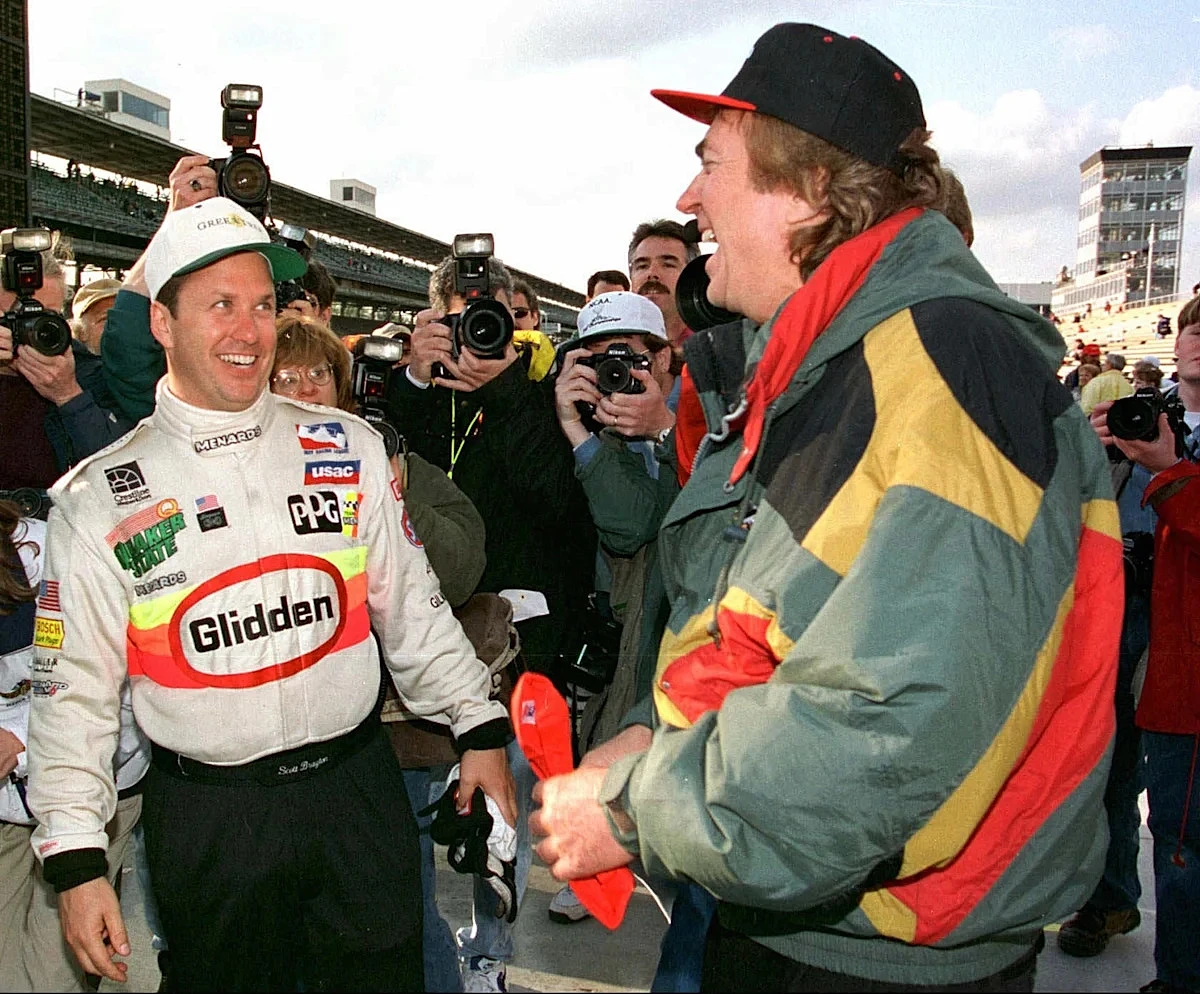
May 26, 1996, became one of the strangest days in racing history. Two races ran that Memorial Day Sunday—the Indianapolis 500 and the U.S. 500—each born from a bitter feud that tore the sport apart. Tony George's vision to save the prototypical American racecar driver and the oval tracks where open-wheel racing was born had created a divide that left drivers, teams, and fans scrambling for sides.
For Andretti, watching from afar was painful. "I was sad, not only not to be at IMS, but to have to watch a race up against Indianapolis," he recalled. The best drivers in the world made a mess of a new race, while rookies took center stage at the Brickyard. It was a dark day for the sport—one that reminds us how fragile the traditions we love can be.
As we gear up for the 2026 Indy 500, it's worth looking back at this pivotal moment. Racing history isn't just about victories and podiums; it's about the challenges that shaped the sport into what it is today. And for fans who cherish the speed, the passion, and the legacy, every lap tells a story worth remembering.