Formula 1's latest technical regulations have stirred up quite the controversy—and for good reason. While many stakeholders are still publicly brushing off concerns, it's clear that both fans and drivers are far from impressed. The recent tweaks to electrical deployment and harvesting, alongside confirmation of even bigger changes next season, feel like a quiet admission that the near-50:50 split between internal combustion and electrical power isn't working as planned.
F1 CEO Stefano Domenicali recently argued that "overtaking is overtaking," but quantity doesn't always equal quality. Traditionalists, in particular, are frustrated by passing moves that hinge on differing electrical charge levels rather than raw skill or bravery. And the drivers? They're feeling a growing sense of resentment, especially since their early warnings went unheeded. The 50:50 principle was hammered out in high-level meetings with car manufacturers back in summer 2022—but drivers didn't get a chance to test it in simulation until much later.
Seven-time world champion Lewis Hamilton has had enough. Speaking ahead of the Miami Grand Prix, he called for drivers to finally get "a seat at the table" when it comes to shaping the rules. Sure, six drivers—including Hamilton's teammate Charles Leclerc—were consulted on the pre-Miami tweaks, but that felt more like closing the stable door after the horse had bolted.
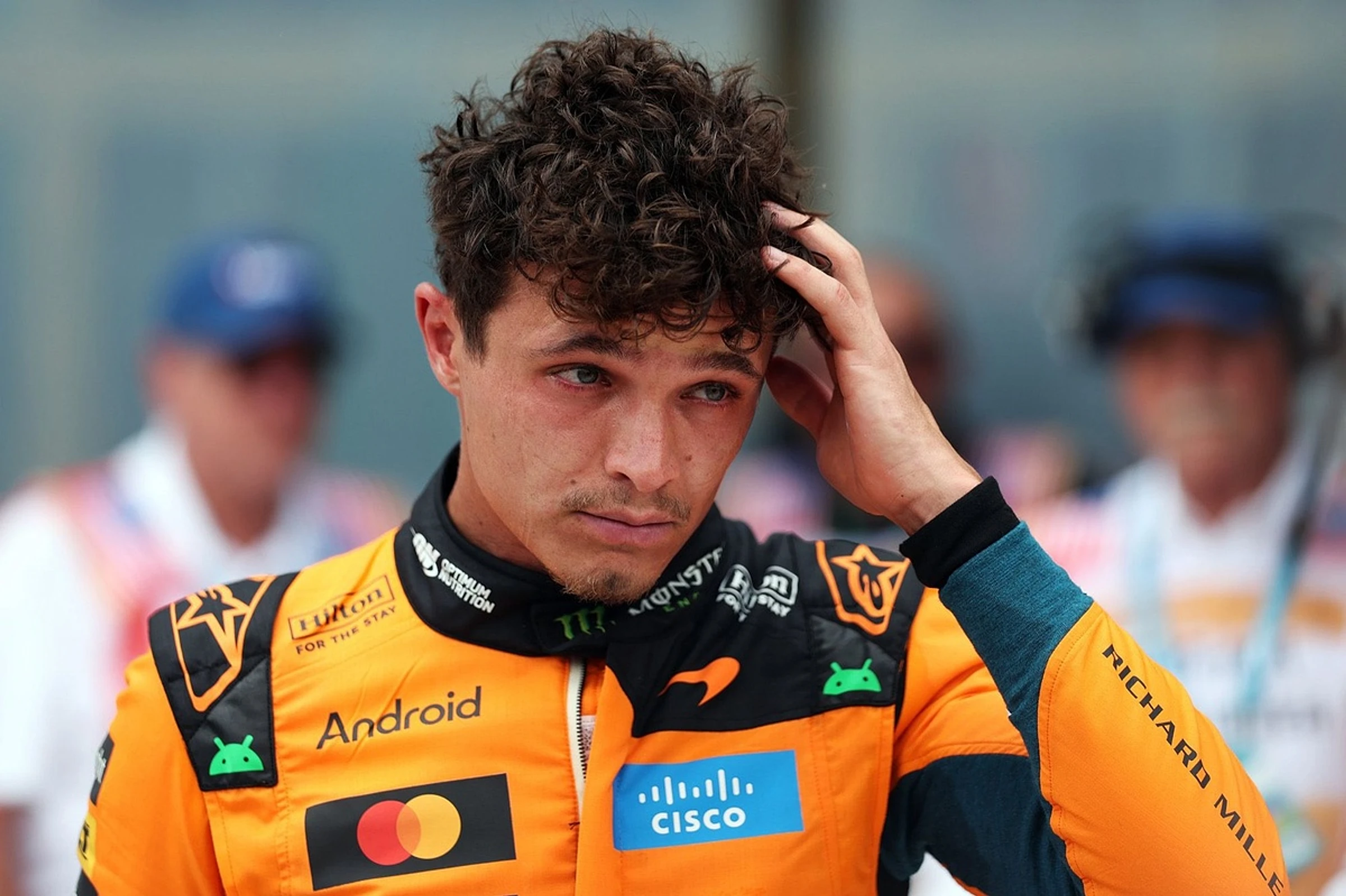
Defending world champion Lando Norris agrees that drivers deserve a stronger voice over the long haul. "We just have to give our input, honestly," he told select media, including Motorsport.com. "We want the fans to have a great time, we want ourselves to have a good time. We also want F1 to be what it is." But Norris also understands the bigger picture: "Because of the bigger picture, because you have manufacturers and partners and teams and it's a business involved, then some things are not so simple."
It's a classic F1 balancing act—keeping the sport thrilling for fans, competitive for drivers, and profitable for the business side. But as the chorus for change grows louder, the question remains: will the sport's decision-makers finally listen to the people behind the wheel?