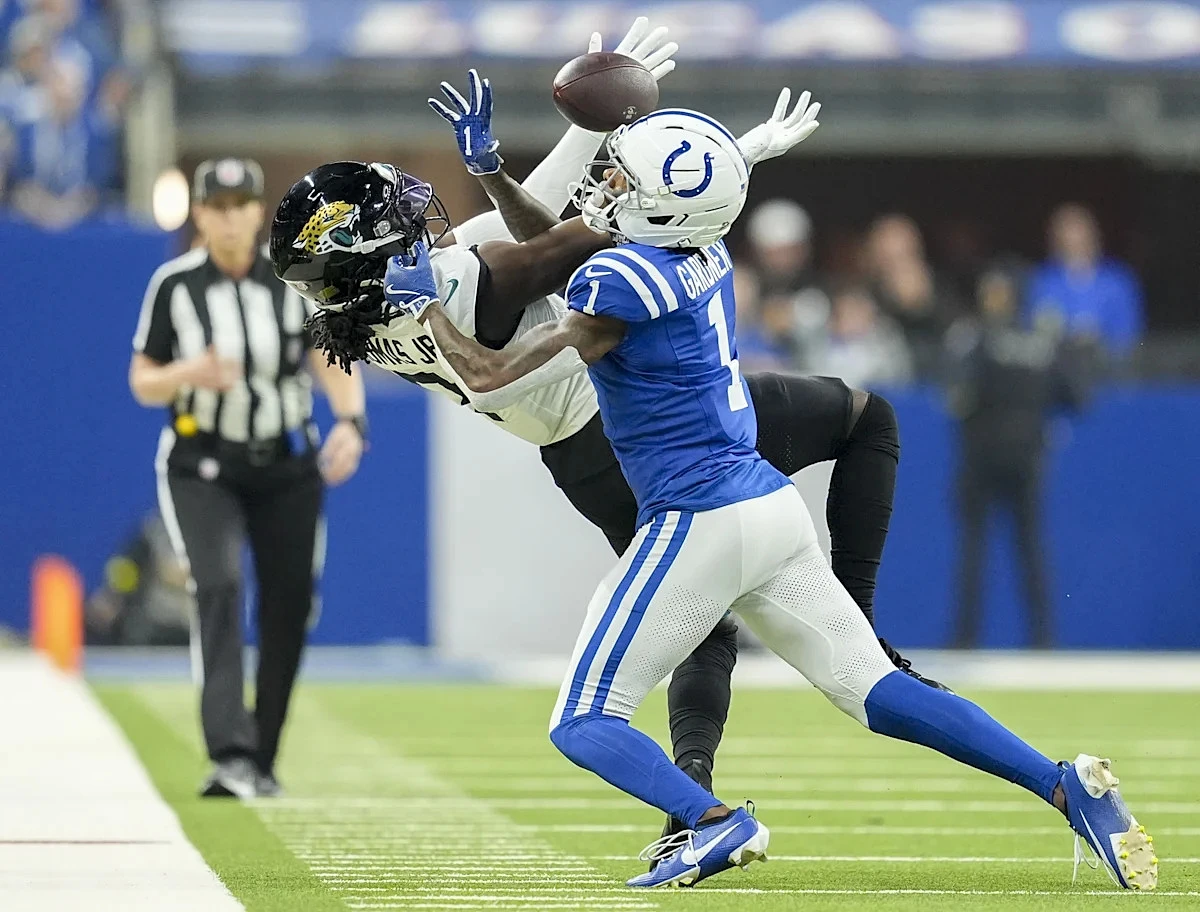
Scouting an NFL cornerback is one of football's toughest challenges. It's easy to be dazzled by interception totals or flashy highlight reels, but true evaluation requires digging deeper. Many college stars dominate simply because they're superior athletes, while others pile up stats in zone schemes that mask coverage flaws. At the pro level, where corners are often left on an island against elite receivers, the margin for error is razor-thin. The difference between a lockdown defender and a liability often boils down to the consistent mastery of a few core traits.
First and foremost, elite athleticism is non-negotiable. This starts with top-end speed to carry vertical routes and stay in phase with burners. But straight-line speed isn't enough. Short-area quickness is critical for mirroring sharp cuts, while explosive acceleration allows a corner to close gaps and recover if they momentarily lose a step. Without this athletic foundation, the rest of the skill set struggles to matter.
Beyond raw physical tools, fluid movement is the hallmark of a great cover man. Watch for smooth, effortless hip transitions when flipping from a backpedal to a full sprint—there should be no stiffness or wasted motion. The feet and hips must work in unison to maintain balance, and efficient, controlled footwork is key. The best corners make it look easy, moving with a dancer's grace that allows them to react instantly to double-moves and sharp breaks.
The final piece is technique and physicality. Effective hand usage at the line of scrimmage—a well-timed jam right on the receiver's breastplate—can disrupt the entire timing of a play. The ability to stay attached through the route's break point, not just on the straightaway, is what separates good coverage from great. For a team like the Indianapolis Colts looking to bolster their secondary, prioritizing prospects who combine this rare blend of speed, fluidity, and technical precision is the blueprint for finding a true shutdown corner.