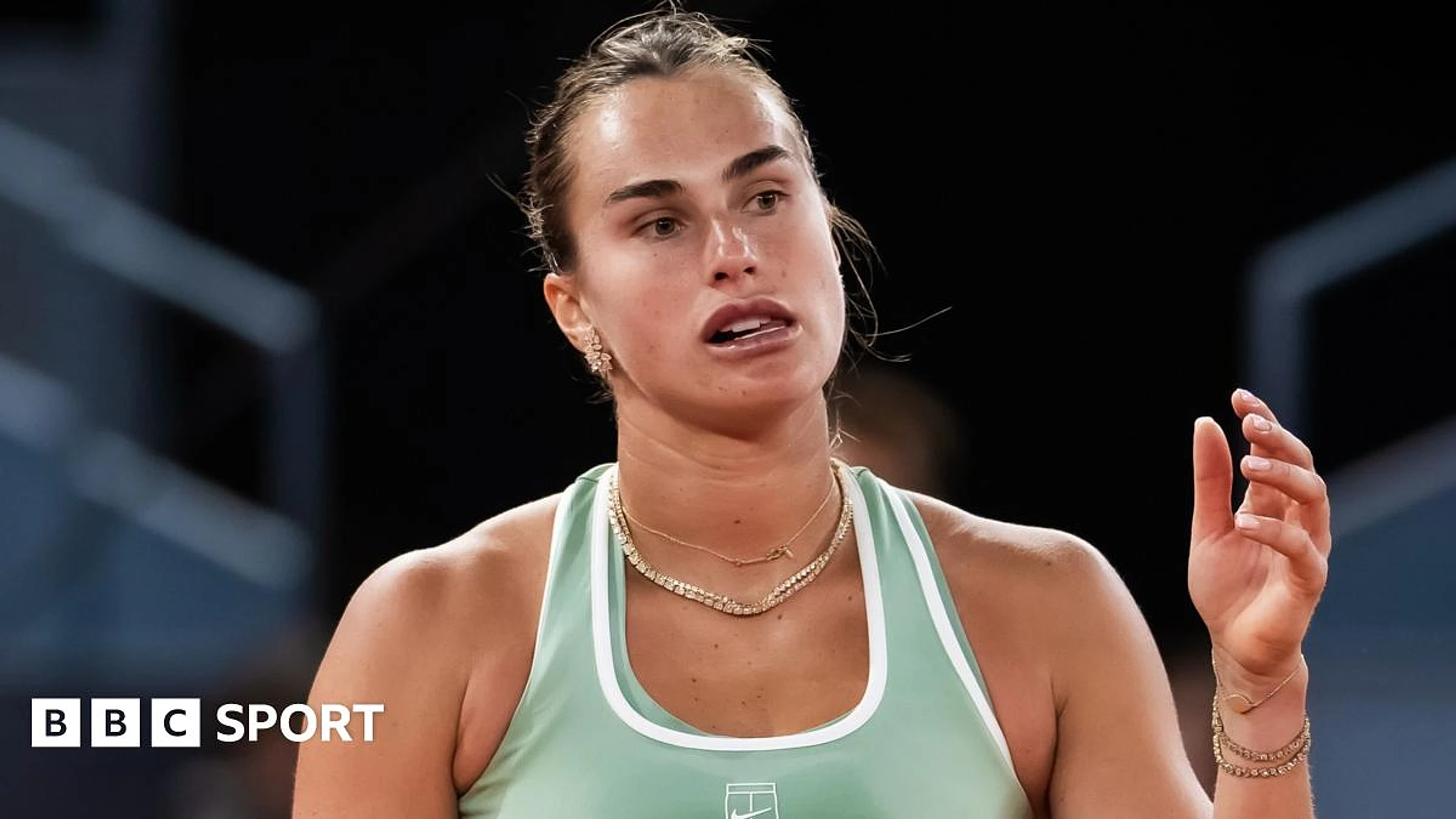
World number one Aryna Sabalenka has sent shockwaves through the tennis world by declaring that players will "at some point" boycott a Grand Slam tournament unless their demands for fairer prize money are met. The four-time major champion made the bold statement ahead of the Italian Open in Rome, signaling that the simmering dispute between elite players and the sport's biggest events may be reaching a boiling point.
For months, the top-10 players on both the men's and women's tours have been quietly pushing for a larger share of the revenue generated by the four Grand Slams—the Australian Open, French Open, Wimbledon, and the US Open. Their demands go beyond just prize money, also calling for better benefit contributions and a stronger voice in decisions like scheduling. But until now, the threat of a boycott had remained a whispered possibility rather than a public declaration.
"I think at some point we will boycott it. I feel like that's going to be the only way to kind of fight for our rights," Sabalenka told the media in Rome. "I feel like the show is on us. I feel like without us there wouldn't be a tournament and there wouldn't be that entertainment."
The Belarusian's comments have added urgency to a debate that has been brewing behind the scenes. Fellow top-ranked stars have offered mixed reactions. World number three Iga Swiatek supports the call for increased prize money but described a potential boycott as "a bit extreme," preferring continued dialogue. Meanwhile, second-ranked Elena Rybakina said she would go along with the majority decision, keeping her options open.
The tension escalated earlier this year when leading players expressed their "deep disappointment" at the prize money for the 2025 French Open. While Roland Garros increased its total prize fund by 9.5%, players argue they are entitled to a much larger 22% share of tournament revenue. Sabalenka, 28, emphasized that unity among the players is growing. "I just really hope that we at some point are going to get to the right decision, to the conclusion that everyone will be happy with. I feel like nowadays, we girls can easily get together and go for this because some of the things I feel like it's really unfair to the players."
Not all Grand Slams have been unresponsive. Last year's US Open saw a 20% increase in its prize money pool, while the Australian Open in January raised its figure by nearly 16%. Wimbledon is expected to announce its prize money structure next month, leaving many wondering if the All England Club will step up to avoid becoming the flashpoint for a potential boycott.
For now, Swiatek's call for "proper communication and discussions with the governing bodies" reflects the cautious hope that cooler heads will prevail. But with the world number one now openly threatening the sport's most prestigious events, the clock is ticking for Grand Slam organizers to find a solution before the players' patience runs out.