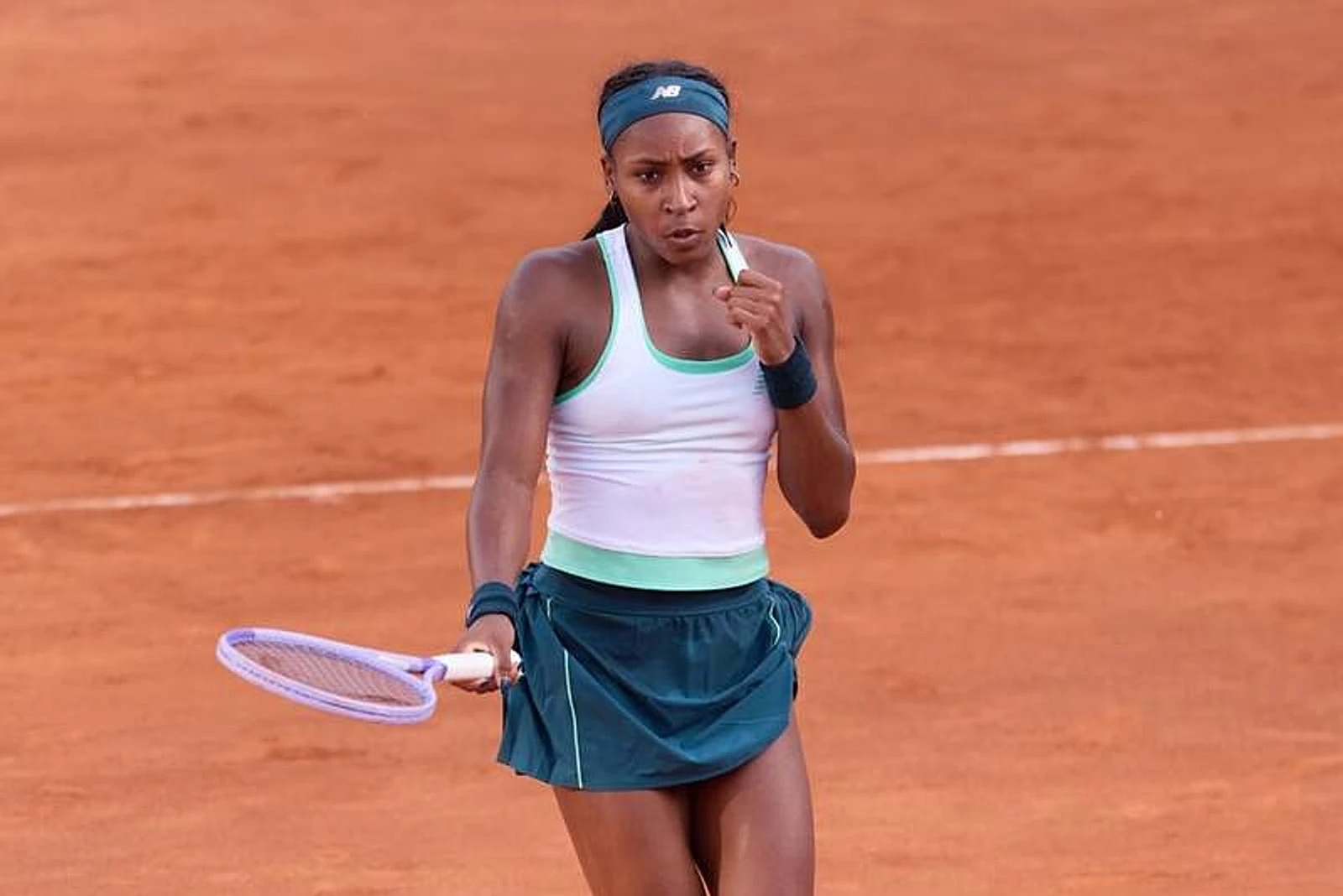
The tennis world has been buzzing with speculation about a potential Grand Slam boycott, and players are finally speaking out with clarity. While many assumed the dispute was simply about prize money, the conversation has evolved into something far more significant—and Coco Gauff is leading the charge as the voice of reason.
Last week, world No. 1 Aryna Sabalenka sparked headlines when she suggested players might boycott majors like the Australian Open, Roland Garros, Wimbledon, and the US Open. The initial confusion stemmed from a complex issue: although the French Open's prize pool has increased overall, players are actually receiving a smaller percentage of the tournament's revenue. This discrepancy has ignited a firestorm among the sport's elite.
Enter Coco Gauff, who has emerged as the clear-sighted advocate for change. In a recent statement, she laid out the real stakes: "There are current players that aren't getting as much benefits as even some of the top players are getting when it comes to sponsorship and things like that. We are making money off court. When you look at the 50 to 100, 50 to 200, how much money each slam makes, it's kind of unfortunate where the 200 best tennis players are living pay check to pay check."
Gauff's transparency has drawn praise from none other than renowned coach Patrick Mouratoglou. He emphasized that her clarity is exactly what the movement needs: "On the debate about prize money at Roland Garros, this is what I want to hear: A big percentage of the extra money we will get as players will go to the players who really need it, to make sure that everybody can live out of tennis."
Mouratoglou urged other players to follow Gauff's example and be equally specific about their intentions. "They have to be even clearer by saying, listen, we would like to get this extra percentage, and this extra percentage will go to the players that are in the qualifications; 100% of that money," he explained. "Otherwise, people will think, okay, they're prepared to boycott a Grand Slam just for them, who already make millions."
This isn't just about the top stars—it's about the hundreds of professional tennis players struggling to make ends meet while the sport's biggest events generate massive profits. As the conversation continues, Gauff's model of transparent advocacy shows that when players speak with one clear voice, they can reshape the future of the game for everyone, from the center court champions to the qualifiers fighting for their next match.