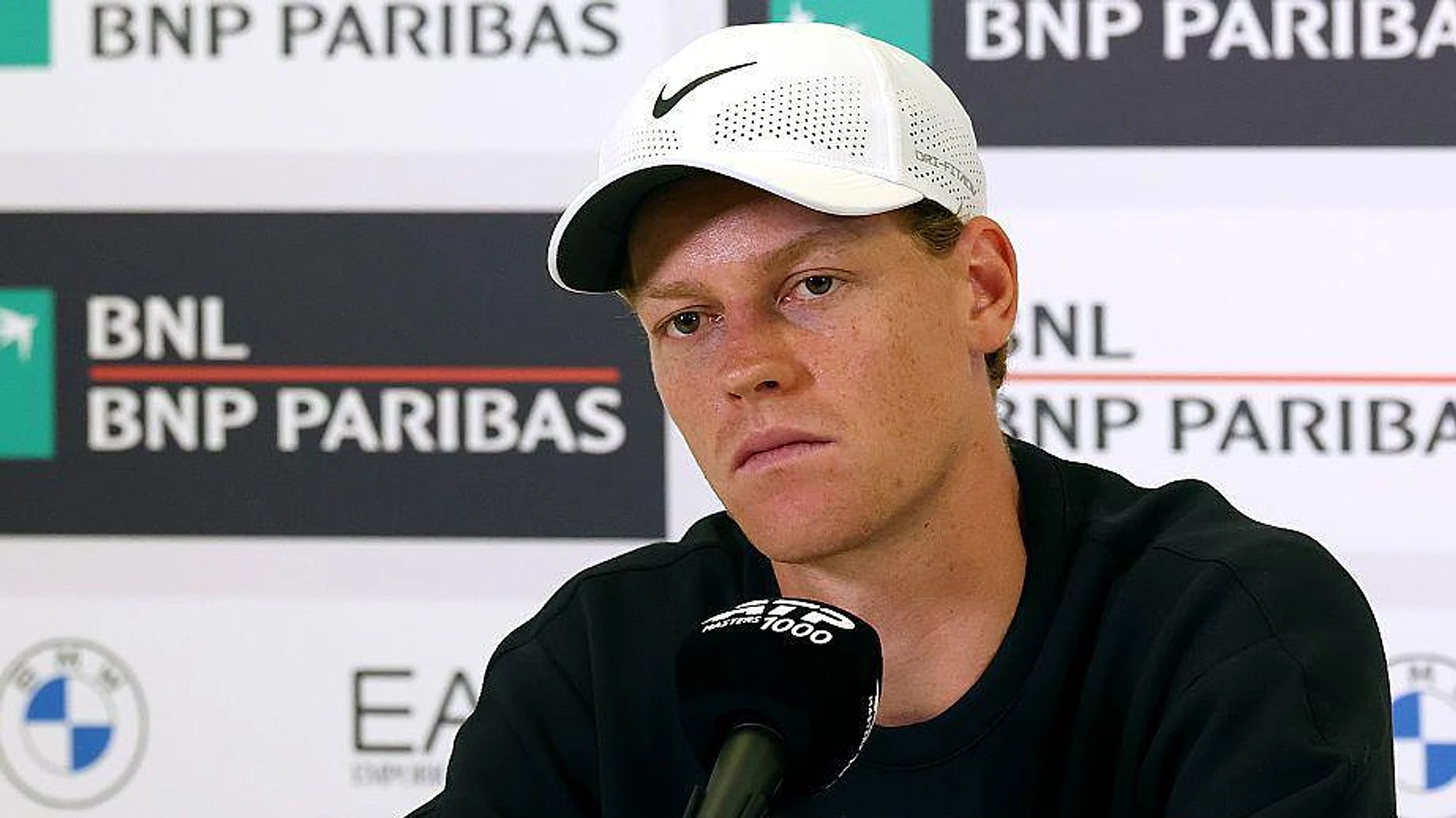
Jannik Sinner has opened up about the growing frustration among tennis players, admitting it's "tough to say" whether he would ever boycott a Grand Slam over prize money. The world number one, currently chasing his sixth consecutive Masters 1,000 title at the Italian Open in Rome, made it clear that the issue runs deeper than just financial gain.
"It's more about respect," Sinner said. "I think we give much more than what we are getting back. It's not only for the top players - it's for all of us players, from men's and women's side."
The comments come after fellow world number one Aryna Sabalenka predicted that players will "at some point" boycott a major tournament. The top 10 players on both tours are demanding a higher percentage of revenue generated by the four Grand Slams, along with benefit contributions and a greater say in scheduling decisions.
Sinner revealed that a joint letter from the top 10 men and top 10 women was sent over a year ago, yet progress has been minimal. "It's not nice that after one year we are not even close to a conclusion for what we would like to have," he said. "Talking in other sports, if the top athletes send important letters, I truly believe that within 48 hours you have not only a response but you also have a meeting."
The Italian star expressed particular disappointment with the 9.5% prize money increase offered by this month's French Open. Players believe the total sum remains well below the 22% of tournament revenue they feel entitled to. While last year's US Open saw a 20% increase and the Australian Open rose nearly 16% year on year, Sinner remains cautious about Wimbledon's upcoming announcement.
"I think in the next couple of weeks we know also the prize money we're going to have in Wimbledon," Sinner said. "We truly hope that it's going to be better. Then, of course, US Open. So I do understand players talking about boycott because it's somewhere we also need to start. It has been a very long time with this situation."
Meetings between players and Grand Slam representatives have taken place, but no progress has been made on benefit contributions, and discussions about forming a Grand Slam player council were rejected. For Sinner and his peers, the message is clear: respect must come before revenue.