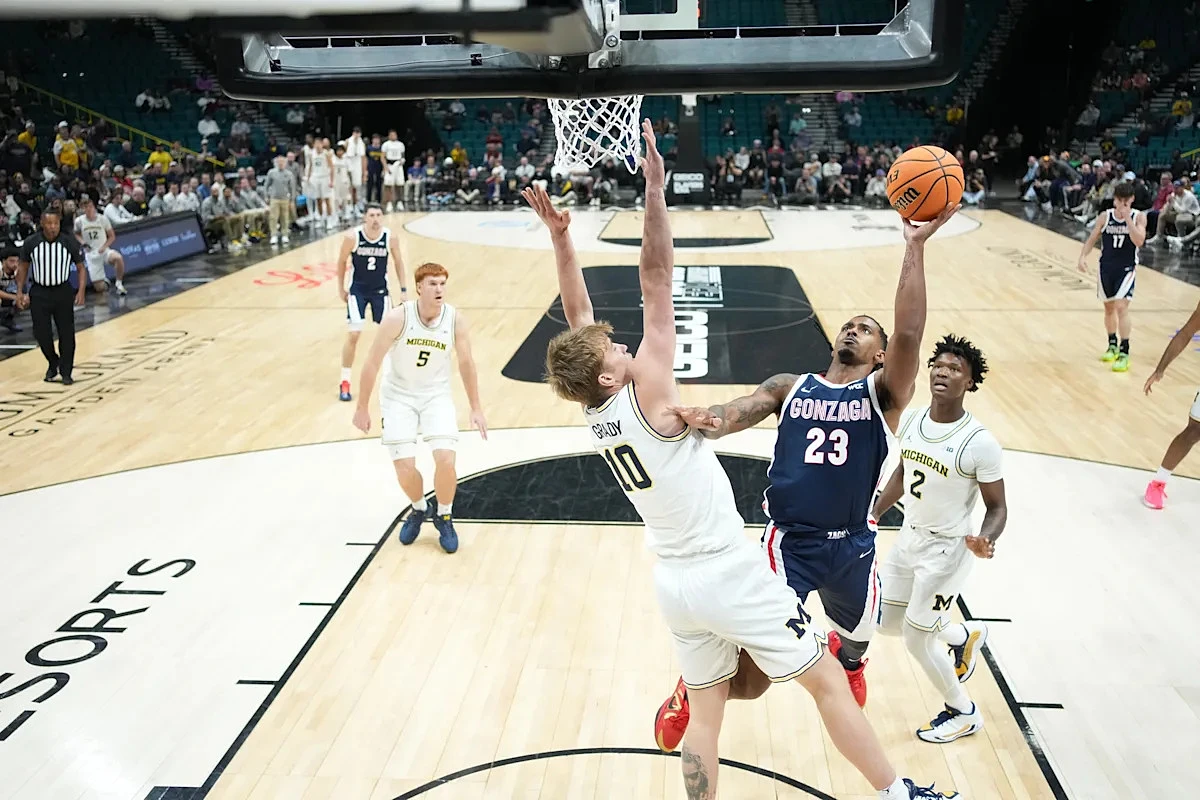
College basketball is in the midst of a major expansion wave, and the latest development is the Players Era tournament growing from 18 to 24 teams by 2026. While that sounds like exciting news for fans, a closer look reveals that this growth primarily benefits a select group of powerhouse programs—leaving mid-major teams on the sidelines.
Hot on the heels of the NCAA tournament expanding to 76 teams next spring, the Players Era tournament is also getting bigger. The 2026 edition will feature two sets of games across back-to-back weeks, all exclusively broadcast by ESPN. On the surface, more teams and more games mean more basketball—but the real story is who gets to play.
Of the 24 schools slated to participate, only three can be considered mid-majors. Gonzaga, one of them, has long shed its Cinderella label. That leaves just San Diego State—soon to join the reworked Pac-12—and UNLV from the Mountain West. The overwhelming majority of the field is made up of power conference teams, reinforcing the growing concern that college basketball's business boom only helps the rich get richer.
This imbalance doesn't just affect tournament selection in November. When March Madness rolls around and strength of schedule becomes a key talking point, power schools that played each other in the Players Era tournament will have a built-in advantage. Their early-season schedules will look tougher on paper, making it even harder for mid-majors to earn at-large bids—despite the eight additional NCAA tournament spots.
For fans of the underdog, this trend is troubling. The expanded field was supposed to create more opportunities, but if the Players Era tournament is any indication, the gap between the haves and have-nots is only widening. It remains to be seen whether anything can be done to raise the profile of mid-major programs in the coming years, but for now, the rich just keep getting richer.