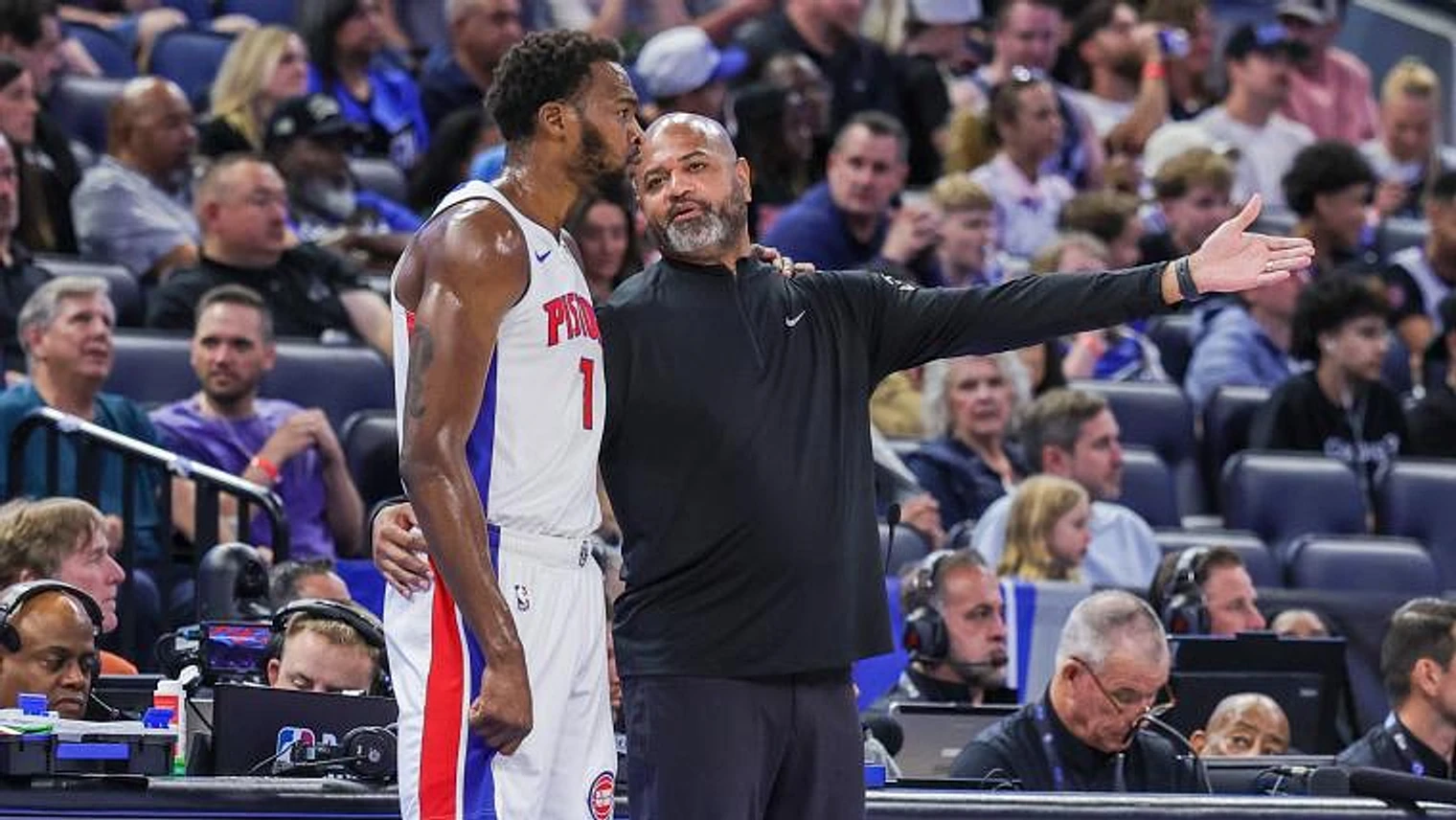
The Detroit Pistons are staring down a pivotal Game 5 against the Cleveland Cavaliers, with a 3-2 series lead in the NBA Playoffs on the line. But before they can secure that commanding advantage, head coach J.B. Bickerstaff has identified a glaring offensive weakness that the Cavaliers have ruthlessly exposed—and it all starts with the ball.
Throughout the 2025-26 regular season, the Pistons built their identity on crisp, unselfish passing. Led by Cade Cunningham and Daniss Jenkins, Detroit averaged an impressive 27.8 assists per game, creating open looks and keeping defenses on their heels. But in the high-pressure environment of the playoffs, that rhythm has gone cold.
In their Game 4 loss, the Pistons managed just 23 assists—matching the Cavaliers' total, despite Cleveland's well-known heliocentric style. For a team that thrives on ball movement, that stat line was a red flag. Bickerstaff didn't mince words ahead of Game 5, telling The Athletic that the offense needs to wake up.
"We’ve got to have more ball movement, more making them chase us," Bickerstaff said. "Understanding where we create our advantages. Less stagnant, less one-on-one opportunities. Just trying to move them, put the guys in the matchups that we like. Then be aggressive, and the play doesn’t always have to be for me. Now I’m attacking, the help comes and now I can find a spray. We’ll get to more of that."
The lack of movement has had a domino effect. With players holding the ball too long, the Cavaliers defense has been able to swarm and poke it loose. The result? A staggering 18 turnovers in Game 4, with Cunningham coughing it up five times. Jalen Duren and Ausar Thompson also found themselves targeted by Cleveland's aggressive schemes.
For the Pistons to punch back and take control of the series, the message is clear: get the ball moving, trust the system, and make the Cavaliers chase. If they can recapture their regular-season flow, Game 5 could be a very different story.