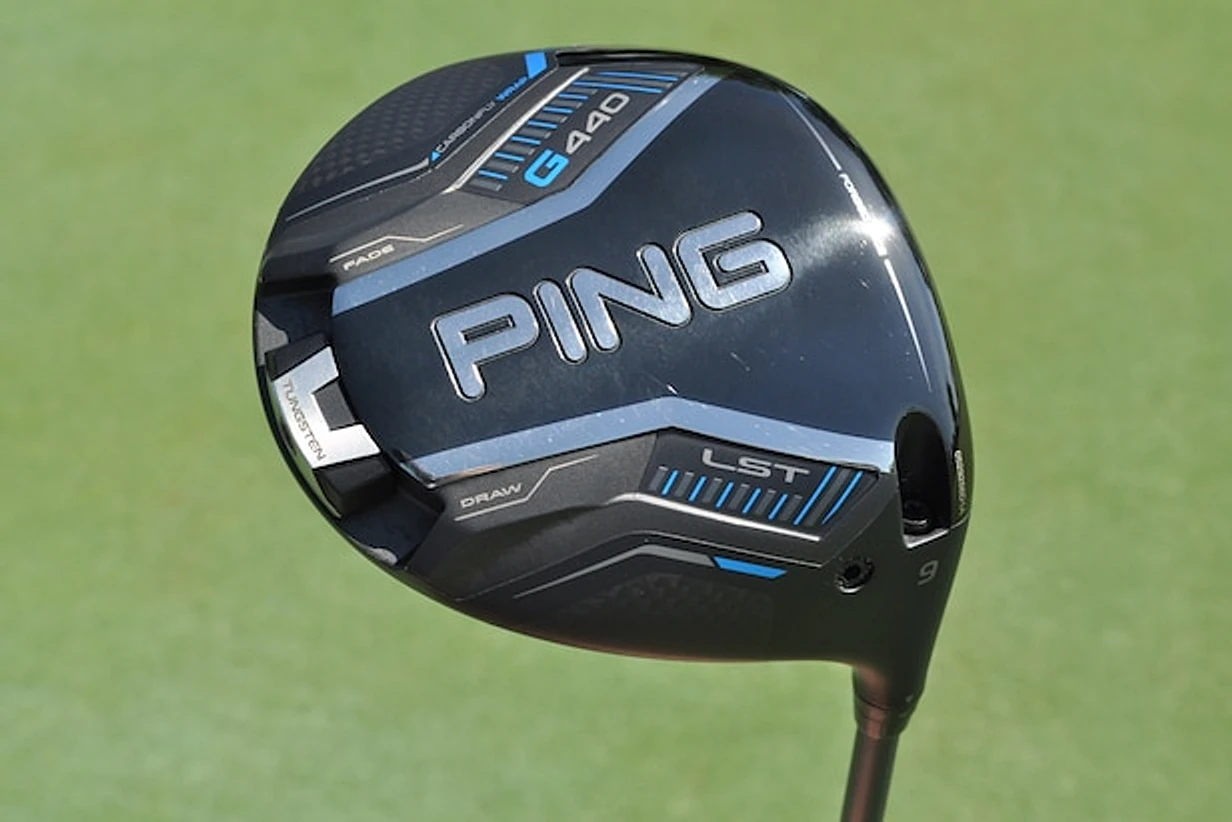
The G440 LST is rewriting the rules for low-spin drivers—and doing it with the kind of consistency that usually belongs to forgiving, high-MOI heads.
We went into the latest robotic analysis expecting to track the evolution of Ping's G440 K, the successor to the beloved G430 Max 10K. But as the data rolled in from Golf Laboratories, a different story emerged. The G440 LST stole the show, proving it could go toe-to-toe with—and in some cases outpace—the 10K models on forgiveness.
For context, this is a low-spin driver. Traditionally, that means less forgiveness and a tighter sweet spot. But the LST is flipping that script. It's not just hanging with the G430 10K and G440 K; it's challenging them on their own turf.
The test was rigorous: 54 shots per club across nine distinct face zones, with six shots in each zone. The robot swung at 95 mph, capturing everything from flushed center hits to ugly heel and toe mishits. The goal was simple—see how each head performs on your best swings and your worst.
What we found was a Ping lineup that defies its spec sheet. The G440 K is a worthy heir to the G430 Max 10K, delivering similar speed, a tighter dispersion footprint, and the kind of generational refinement Ping is known for. That part of the story tracks.
But the real headline is the LST. A low-spin driver isn't supposed to keep up with a 10K head on forgiveness, let alone surpass it. Yet here we are.
So, what pulled our attention? Three metrics that matter most when sizing up a driver: distance across the face, spin stability, and overall dispersion. Here's a quick look at the numbers.
Numbers at a Glance
Golf Laboratories Robot Test | ~95 MPH Club Speed
Average Performance Across All 9 Face Zones — 4 Drivers
(54-shot averages, 6 shots per zone, equally weighted)
Ball speed, carry distance, total distance, launch angle, and spin rate all measured at ~95 mph.