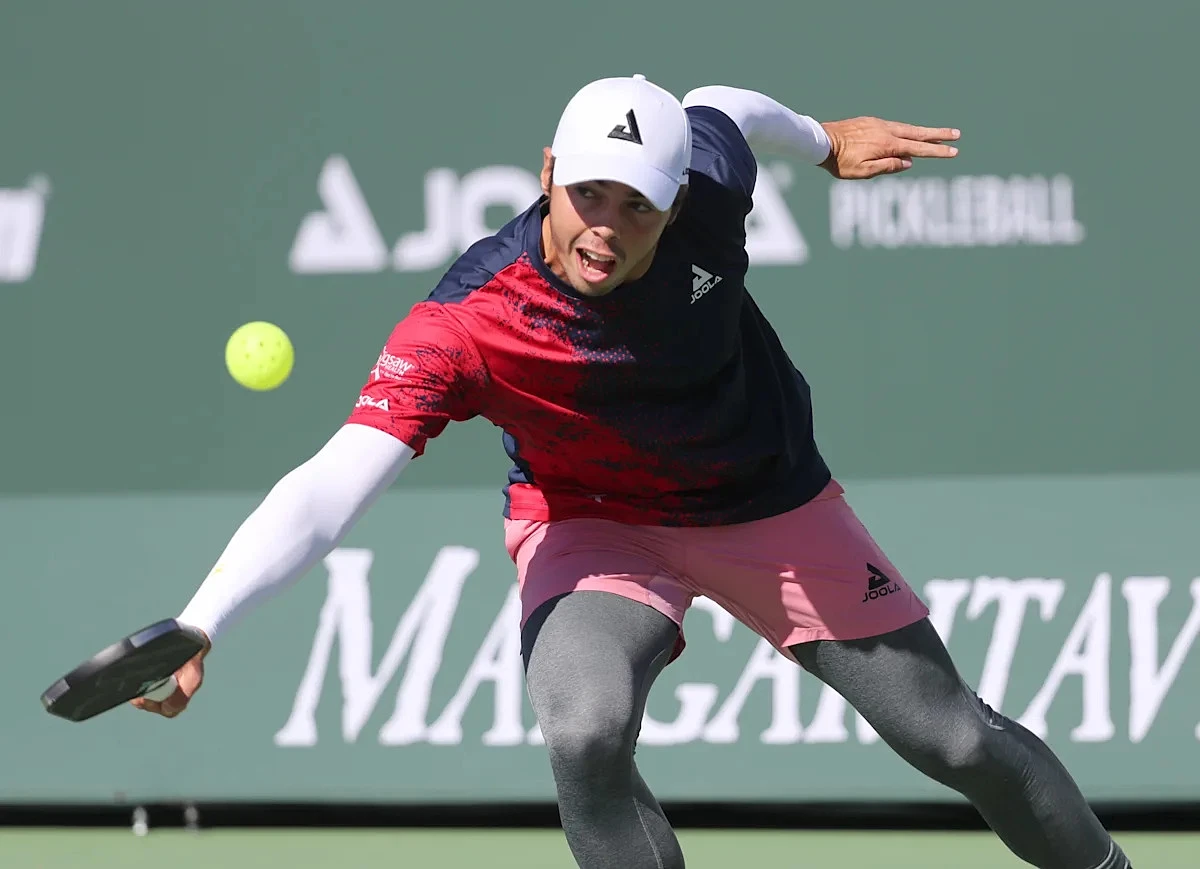
In the fast-paced world of pickleball, mastering your shots is the key to dominating the court. While topspin often steals the spotlight, this week we're diving into the slice—a versatile weapon that can transform your serve return game. Whether you're looking to add consistency or put pressure on your opponents, the slice is a must-have in your arsenal.
Let's start with the basics. For a forehand slice, top instructor Tanner Tomasi emphasizes one golden rule: let the ball linger on your paddle as long as possible. This maximizes spin and control. The power here doesn't come from your arm—it comes from your body moving forward into the shot. Think of it as a smooth, flowing motion rather than a sudden chop.
Now, the backhand slice is where the magic really happens on serve returns. Footwork is everything. Keep your body closed or sideways, and imagine you're gliding down a gentle slope—no abrupt chopping allowed! Engage your core, and don't be afraid to throw yourself into the shot, even jumping slightly for added momentum. It's all about using your whole body, not just your arm.
Decorated women's pro Mari Humberg shares her insights on when and why to deploy the slice return. Use a continental grip (think handshake grip) for both forehand and backhand. Contact the ball in front of you—if the serve is deep, back up to create space. You need room to step into the shot and attack through the ball, flowing from high to low. A key tip: pause, then move. This rhythm keeps you balanced and in control.
Why make the slice your go-to? First, consistency. It's a reliable shot that you can count on in high-pressure moments. Second, it creates pressure on your opponent. The slice forces them to get under the ball, making it tough for them to drop a soft shot—they'll likely have to drive it instead. Incorporate your shoulders and let your off arm swing back for extra stability.
But there's a catch: if you don't practice, the slice can be inconsistent. Eliminate wrist movement to prevent the ball from floating. Remember, the slice return is slower, which gives you more time to charge the kitchen line. That extra split-second can be a game-changer.
A final pro tip from Humberg: in women's doubles, she uses the slice more frequently to disrupt opponents' rhythm. In mixed doubles, however, she's more cautious—male players often drive the ball with heavy topspin, which can neutralize the slice's effectiveness. Know your match-up and adjust accordingly.
Ready to add the slice to your pickleball toolkit? Practice these techniques, and you'll soon have a shot that keeps your opponents guessing and your game on point.